

Bio-Based Chemicals: Sustainable Alternatives, Environmental Benefits and Market Opportunities
Bio-based chemicals are creating new opportunities for manufacturers and global traders seeking alternatives to conventional fossil-derived raw materials. By using renewable resources such as agricultural residues, vegetable oils, forestry waste and organic by-products, chemical producers can develop ingredients for industrial manufacturing while reducing dependence on petroleum and natural gas.
For procurement managers, bio-based chemicals represent more than a sustainability initiative. They offer opportunities to diversify sourcing strategies, respond to customer preferences and develop products that support environmental objectives. However, commercial adoption depends on production costs, feedstock availability, product performance and the ability of suppliers to maintain consistent quality.
As manufacturers explore lower-carbon production methods, the bio-based chemicals sector is gaining importance across plastics, detergents, lubricants, personal care, construction materials and specialty chemicals. Understanding its production methods, environmental benefits and commercial limitations can help buyers identify practical sourcing opportunities.
What Are Bio-Based Chemicals and How Are They Produced?
Bio-based chemicals are substances derived wholly or partly from biological materials rather than exclusively from fossil-based feedstocks. Producers can use renewable plant materials, agricultural by-products, forestry resources, algae and certain organic waste streams to manufacture chemical intermediates and finished products.
These chemicals do not necessarily require entirely new manufacturing systems. Depending on the product, producers can adapt established chemical processes or introduce biological conversion methods to transform renewable raw materials into commercially useful substances.
Common production pathways include:
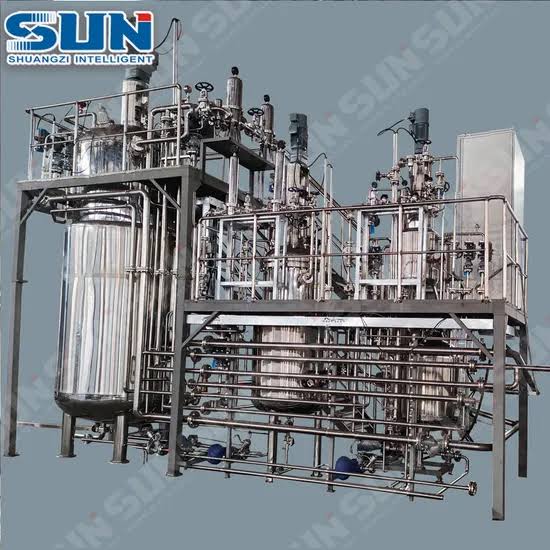
Fermentation: Microorganisms convert sugars or other suitable organic feedstocks into chemicals such as citric acid and lactic acid. Manufacturers then separate and purify the target compound to meet the required commercial specifications.
Chemical conversion: Producers process vegetable oils, natural fatty acids and other biological materials through reactions that generate ingredients for surfactants, lubricants and specialty chemicals.
Thermochemical processing: Heat and controlled reaction conditions transform biomass into intermediate compounds that manufacturers can further refine into useful chemicals.
Biomass fractionation: Producers separate cellulose, hemicellulose, lignin and other components from plant materials, creating building blocks for additional chemical applications.
The final product's composition depends on its manufacturing pathway. Some bio-based chemicals have the same molecular structure as their fossil-derived equivalents, while others have different structures and performance characteristics.
This distinction matters to industrial buyers because renewable origin alone does not determine suitability. Each product must meet the technical, safety and quality requirements of its intended application.
Key Feedstocks Supporting the Bio-Based Chemicals Industry
Feedstock availability plays a central role in determining production economics, manufacturing capacity and long-term supply reliability. Unlike petroleum-based chemicals, which depend on established fossil-resource supply chains, bio-based chemicals rely on biological materials that can vary with agricultural conditions, harvesting cycles and regional processing capacity.
Several feedstock categories support commercial production.
Sugar-based feedstocks: Sugarcane, sugar beet and suitable starch-derived sugars provide carbon sources for fermentation. These materials support the production of organic acids and other industrial chemicals.
Vegetable oils and natural fats: Palm oil, coconut oil, soybean oil and other renewable lipid sources can supply fatty acids and derivatives used in surfactants, lubricants and personal care formulations.
Agricultural residues: Corn stalks, wheat straw, rice husks and similar by-products offer potential feedstock sources when suitable collection and conversion systems exist.
Forestry materials: Wood residues and lignocellulosic biomass contain components that can be converted into chemical intermediates, although processing requirements can be more complex than those for refined sugars.
Organic waste streams: Selected food-processing residues and other biodegradable materials can provide additional carbon resources when contamination, collection costs and processing requirements remain manageable.
Algae and emerging biological resources: These feedstocks may support specialized production pathways, although commercial feasibility depends on cultivation costs, processing efficiency and the target chemical.
Feedstock selection creates important procurement trade-offs. Refined agricultural inputs may offer predictable quality and established processing routes, while waste-derived materials can reduce reliance on virgin resources but introduce additional sorting, transportation and purification requirements.
Buyers should therefore assess feedstock origin alongside the finished chemical's specifications, manufacturing location and supplier capacity.
Environmental Benefits and Sustainability Considerations
The environmental case for bio-based chemicals depends on how manufacturers obtain their feedstocks, operate production facilities and manage waste. Replacing fossil-derived inputs with renewable biological resources can reduce dependence on non-renewable carbon sources and may lower lifecycle greenhouse gas emissions.
The European Commission identifies bio-based products as a potential contributor to resource efficiency, circular economic activity and reduced dependence on fossil resources. Their actual environmental performance, however, varies according to the material and production pathway.
Key potential benefits include:
Reduced fossil-resource dependence: Renewable feedstocks provide alternative sources of carbon for chemical manufacturing. This can help diversify raw material portfolios and reduce exposure to certain fossil-resource supply disruptions.
Lower lifecycle emissions: Some bio-based production routes can reduce greenhouse gas emissions compared with conventional alternatives, particularly when feedstock cultivation, processing energy and transportation have favorable environmental profiles.
Improved resource utilization: Agricultural residues and selected industrial by-products can become valuable chemical inputs rather than materials destined for disposal.
Support for circular production: Manufacturers can integrate waste recovery, biomass conversion and chemical production into broader resource-efficiency strategies.
Potential differentiation in end markets: Companies that use verified renewable materials may strengthen sustainability positioning when customers require evidence of responsible sourcing and lower environmental impact.
Nevertheless, bio-based does not automatically mean environmentally superior. Land-use changes, water consumption, fertilizer requirements, biodiversity impacts and energy-intensive purification can weaken the benefits of certain production pathways.
Buyers should evaluate lifecycle assessment data where available and distinguish renewable content from verified environmental performance. A product with substantial bio-based content may still require further evaluation of its overall carbon footprint, biodegradability and end-of-life treatment.
Major Applications Across Industrial Sectors
Bio-based chemicals can serve as raw materials, intermediates or functional ingredients in a wide range of manufacturing operations. Their commercial value depends on whether they can deliver the required performance at an acceptable total cost.
Plastics and polymer manufacturing
Bio-based chemical building blocks can support the production of polymers, resins and other materials used in packaging, consumer goods and industrial components. Some renewable polymers can offer alternatives to conventional fossil-based materials, while other bio-based inputs can enter existing polymer manufacturing chains.
Buyers must distinguish bio-based content from biodegradability. A polymer made from renewable carbon does not necessarily break down naturally under ordinary disposal conditions.
Detergents and cleaning products
Renewable fatty acids, alcohol derivatives and other suitable intermediates can support the formulation of detergents, cleaning agents and surfactants. Manufacturers assess foaming behavior, cleaning performance, compatibility, stability and cost when evaluating these ingredients.
Lubricants and industrial fluids
Certain bio-based oils and chemical derivatives can provide lubricating properties for industrial machinery, metalworking and specialized equipment. Depending on the formulation, they may offer advantages in biodegradability or renewable content, although oxidation stability, operating temperature and service life remain important technical considerations.
Personal care and cosmetics
Plant-derived chemical ingredients can support creams, lotions, soaps and other personal care products. Buyers typically prioritize purity, odor, color, formulation compatibility and compliance with applicable ingredient requirements.
Food and fermentation-based ingredients
Bio-based production pathways supply chemicals such as citric acid and lactic acid for suitable food, pharmaceutical and industrial applications. Manufacturers must purchase grades that meet the specific purity and regulatory requirements of the intended use.
Construction and coatings
Renewable chemical intermediates can support selected resins, coatings, adhesives and surface-treatment formulations. Adoption depends on curing performance, durability, moisture resistance and compatibility with existing production systems.
Across these sectors, successful substitution requires technical validation. Buyers should confirm that the alternative ingredient meets the same functional requirements before replacing an established raw material.
Market Opportunities and Commercial Growth Drivers
The bio-based chemicals market offers opportunities for manufacturers, distributors, importers and exporters that can connect renewable feedstock supplies with reliable industrial demand. Growth potential comes from several overlapping commercial developments rather than a single driver.
Changing customer procurement requirements
Manufacturers increasingly evaluate raw materials against environmental targets, customer specifications and corporate sustainability commitments. Suppliers that provide reliable documentation of renewable content and consistent product quality can strengthen their position with these buyers.
Diversification of raw material sources
Companies that depend heavily on petroleum-derived inputs may explore bio-based alternatives to diversify their supply options. Regional biomass availability can also create opportunities for producers located near agricultural or food-processing industries.
Industrial innovation and product development
Advances in fermentation, biotechnology and biomass processing are expanding the range of chemicals that producers can manufacture from renewable resources. Research, pilot-scale facilities and commercial investment can help bring additional products closer to industrial adoption.
Specialty chemical opportunities
Some buyers may accept a price premium for a bio-based chemical when it delivers specific technical benefits or helps meet customer requirements. This can create opportunities in applications where performance, certification and supply reliability matter more than purchasing price alone.
Trade and distribution opportunities
Importers and distributors can support market development by identifying qualified producers, consolidating orders, managing logistics and connecting manufacturers with regional buyers. However, they must understand the difference between established commodity-scale products and emerging chemicals with limited production capacity.
Commercial growth still faces obstacles. Higher production costs, inconsistent feedstock quality, limited manufacturing scale and competition from established petrochemical producers can restrict adoption, particularly in price-sensitive applications.
Supply Chain Challenges and Sourcing Risks
Bio-based chemical sourcing requires procurement teams to evaluate both conventional chemical supply risks and challenges specific to biological feedstocks. Agricultural seasonality, regional weather conditions and competing feedstock uses can affect raw material availability and production costs.
The following factors deserve particular attention.
Feedstock price volatility: Crop prices, harvest conditions, transport expenses and competing uses can influence manufacturing costs. Buyers should understand whether supplier quotations reflect fixed pricing, short-term validity or adjustment mechanisms.
Production capacity: Some bio-based chemicals benefit from mature commercial production, while others remain limited to specialized facilities. Procurement teams should confirm available capacity, lead times and the supplier's ability to support repeat orders.
Quality consistency: Biological feedstocks can vary in composition, which may affect conversion efficiency and purification requirements. Buyers should establish specifications for purity, moisture, color, impurities and other relevant parameters.
Transportation and storage: Some products require temperature control, moisture protection or specific packaging conditions. Logistics planning should account for shelf life, storage stability and handling requirements.
Supplier concentration: Limited production locations can create dependence on individual manufacturers or regional feedstock markets. Qualified alternative suppliers can improve resilience.
Documentation and traceability: Buyers may need batch-specific certificates of analysis, safety data sheets, origin information and evidence supporting renewable-content claims.
Procurement teams should also assess the supplier's experience with export documentation, packaging standards and delivery schedules. A low initial quotation offers limited value if inconsistent quality or shipment delays disrupt downstream production.
Regulatory Compliance, Certification and Product Verification
Regulatory requirements depend on the chemical's identity, intended application, destination market and environmental claims. Bio-based origin does not exempt a product from the safety, labeling, registration or quality requirements that apply to conventional chemicals.
For example, chemicals entering the European market may fall under relevant REACH and CLP obligations, depending on their classification, use and applicable exemptions. Food-contact materials, cosmetic ingredients and industrial formulations may also face additional requirements.
Buyers should evaluate several documentation areas:
Technical documentation: Request a current technical data sheet, safety data sheet and certificate of analysis that match the product being purchased.
Renewable-content verification: Where renewable origin supports a commercial claim, request suitable evidence of bio-based content. ASTM D6866 is one method used to measure the proportion of modern biogenic carbon in applicable products.
Chain-of-custody information: For products marketed under sustainability or responsible-sourcing claims, check whether supporting documentation traces the material through the relevant supply chain.
Application-specific compliance: Confirm that the grade meets requirements for its intended use, including any relevant food-contact, cosmetic or industrial standards.
Environmental claims: Distinguish verified renewable content from claims about biodegradability, compostability or lower lifecycle emissions. These attributes require different forms of evidence.
Certification can help buyers compare suppliers, but it should not replace technical evaluation. Procurement teams should verify that the documentation covers the actual product, manufacturing site and intended market.
How Procurement Teams Can Evaluate Bio-Based Alternatives
A structured purchasing process helps businesses compare bio-based chemicals with conventional alternatives on a consistent basis. Rather than focusing exclusively on the feedstock or sustainability label, buyers should evaluate commercial performance across the entire supply chain.
Start with application requirements. Define the chemical's function, target purity, physical properties and performance limits. Identify whether the application requires a direct replacement or whether formulation adjustments are acceptable.
Compare total landed cost. Include the quoted product price, freight, insurance, duties, storage, testing and potential formulation changes. A higher purchase price may be commercially reasonable if the alternative reduces other operating costs or meets a specific customer requirement.
Request representative samples. Conduct laboratory testing and production trials before committing to large-volume purchases. Confirm compatibility with existing equipment and establish acceptable performance criteria.
Assess supplier reliability. Review production capacity, manufacturing experience, quality-control procedures, export capabilities and delivery history. Where possible, qualify a second supplier for critical materials.
Verify sustainability evidence. Request documentation supporting renewable content and any environmental claims used in procurement decisions. Keep these records aligned with the specific product grade and batch where applicable.
Negotiate suitable commercial terms. Discuss minimum order quantities, lead times, packaging, payment terms, price validity and procedures for handling non-conforming material. For recurring purchases, consider supply agreements that define quality requirements and delivery expectations.
This approach allows procurement managers to assess bio-based alternatives using measurable business criteria. It also helps suppliers understand which technical and commercial requirements they must meet to secure long-term customer relationships.
Looking Ahead: Building a Practical Bio-Based Chemical Sourcing Strategy
Bio-based chemicals provide a growing set of options for businesses seeking renewable feedstocks, differentiated products and more diversified chemical supply chains. Their long-term commercial relevance will depend on production efficiency, reliable raw material supplies, consistent product quality and the ability to compete with established chemical alternatives.
For traders and importers, the most practical opportunities may lie in chemicals with established industrial applications, dependable manufacturing capacity and clear technical specifications. Emerging products can also offer potential, but buyers should evaluate production maturity, supply continuity and realistic cost expectations before making substantial commitments.
Companies should begin by identifying applications where renewable alternatives can meet existing performance requirements without creating unacceptable cost or operational risks. They can then qualify suppliers, verify documentation and compare offers based on quality, delivery reliability and total landed cost.
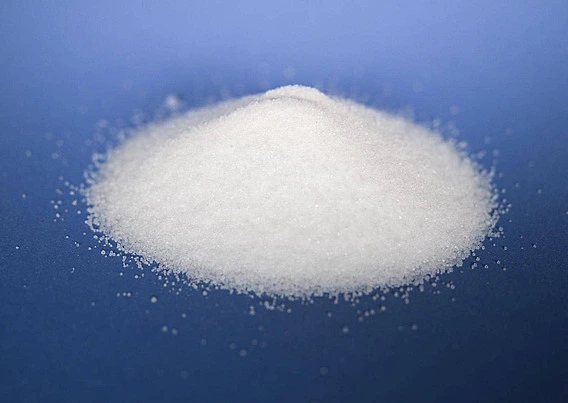
Citric Acid Monohydrate (E330)
Found this useful?