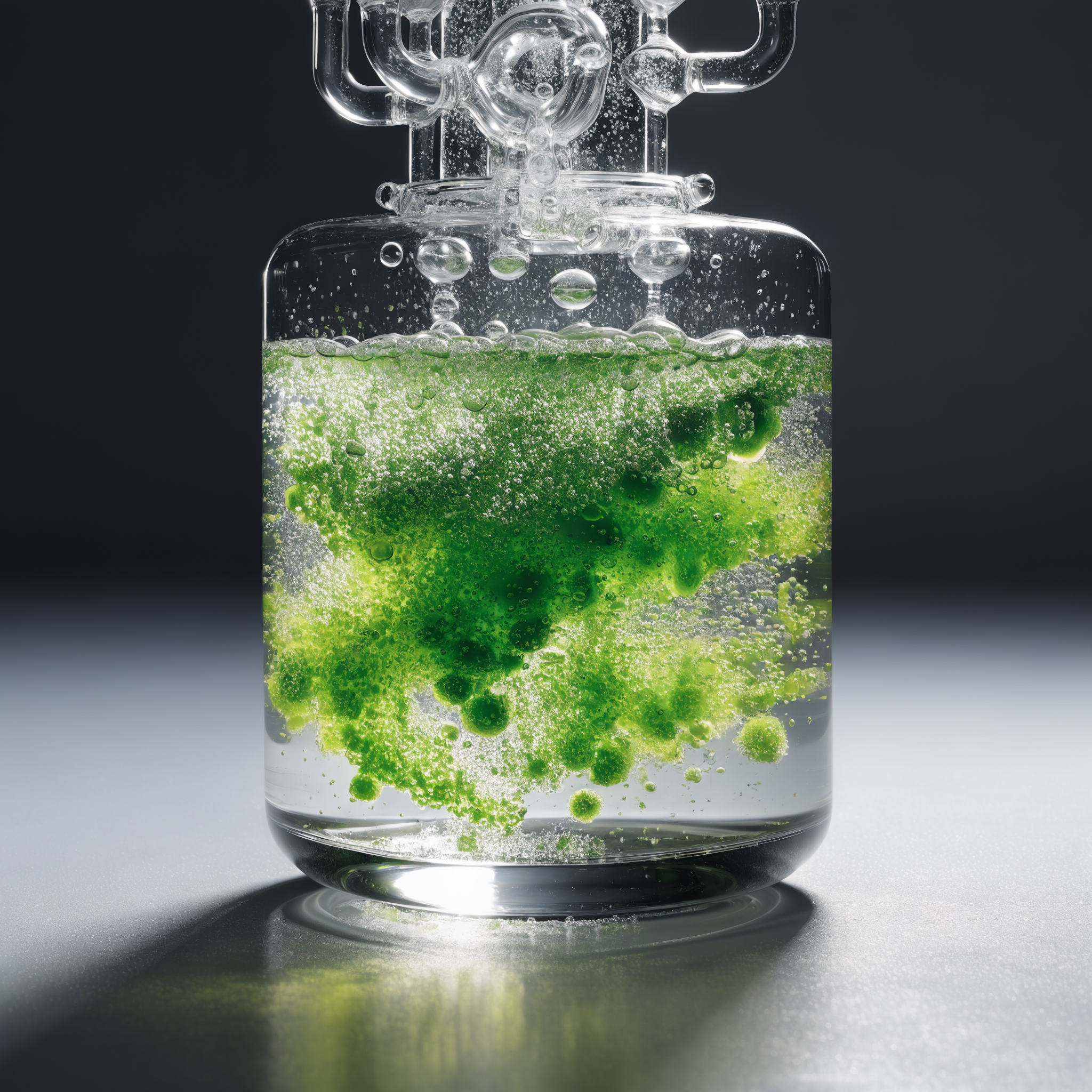
Citric acid is one of the clearest examples of how a bio-based chemical can follow an entirely different supply chain from conventional petrochemicals. Produced primarily through the fermentation of glucose or sucrose using the microorganism Aspergillus niger, citric acid is widely used in food and beverages, pharmaceuticals, detergents, cosmetics, industrial cleaning, and water treatment. Approximately 70% of global production is concentrated in China, where large-scale fermentation facilities convert agricultural feedstocks—principally corn starch-derived glucose and, in some regions, sucrose—into citric acid through highly efficient biological processes. Unlike petrochemical intermediates that depend on crude oil, natural gas liquids, or refinery-derived feedstocks, citric acid production is rooted in agricultural raw materials and microbial biotechnology. This distinction proved particularly important during the 2026 Hormuz disruption, when many petrochemical supply chains experienced severe volatility while fermentation-based production remained largely insulated from the direct effects of the crisis.
The reason for this resilience lies in the structure of the value chain. Citric acid production relies on domestically available agricultural carbohydrates, fermentation technology, and regional processing infrastructure rather than imported hydrocarbon feedstocks. The disruption of crude oil exports, LPG movements, or petrochemical shipping through the Strait of Hormuz had no direct impact on the biological conversion process itself. Although international logistics, container freight, and export shipping still influenced delivery schedules and transportation costs, the underlying production system continued operating independently of the energy supply disruptions that affected many petrochemical industries. As a result, buyers with established fermentation-based ingredient supply chains generally avoided the production interruptions and extreme raw material price movements experienced in several fossil-based chemical markets. The crisis therefore demonstrated that supply chain resilience is influenced not only by supplier location but also by the nature of the production technology and feedstock on which a chemical depends.
What the Hormuz Crisis Taught Procurement Teams About Bio-Based Supply Chain Resilience
For sustainable feedstocks procurement professionals, the 2026 disruption provides an important commercial lesson that extends beyond citric acid alone. Discussions around bio-based chemicals often focus on carbon footprint, renewable resources, or environmental performance. While these remain important considerations, the Hormuz crisis highlighted an additional strategic benefit: feedstock diversification. Fermentation-derived chemicals operate within agricultural and biotechnology supply chains rather than traditional petrochemical networks. This means they may be exposed to different risks—such as crop availability, agricultural commodity prices, or regional weather conditions—but are generally less dependent on crude oil markets and hydrocarbon shipping corridors. During periods of geopolitical disruption affecting fossil-based supply chains, this diversification can strengthen procurement resilience by reducing exposure to a single category of upstream risk.
Procurement strategies should therefore evaluate bio-based chemicals using a broader framework than sustainability metrics alone. Citric acid demonstrates that renewable feedstocks can also contribute to business continuity, supply security, and risk diversification. Supplier assessments should include agricultural feedstock availability, fermentation capacity, regional production concentration, logistics resilience, and contingency planning alongside environmental certifications and commercial pricing. Strategy papers supporting sustainable feedstock adoption should explicitly document the operational lessons from the 2026 crisis: fermentation-based supply chains maintained production stability while numerous petrochemical value chains experienced prolonged disruption. This comparison provides a practical, evidence-based business case that complements traditional sustainability objectives. Rather than positioning bio-based chemicals solely as lower-carbon alternatives, procurement teams can also present them as components of a more resilient sourcing portfolio capable of reducing dependence on vulnerable fossil-based supply chains. The experience of citric acid during the Hormuz disruption demonstrates that resilience itself has become a measurable commercial benefit of diversification.
Looking for sustainable feedstock procurement intelligence or bio-based chemical market insights? Citric acid demonstrates how fermentation-based production can strengthen supply resilience by diversifying procurement beyond conventional petrochemical value chains while supporting long-term sustainability objectives.