Biobased chemicals hitting the 20 billion dollar mark
The global market for biobased chemicals crossed the 20 billion dollar mark this year, and the milestone arrived faster than most forecasts predicted. Regulatory support in Europe and North America now pulls plant-derived molecules into categories that petrochemical producers once owned outright.
Green chemistry mandates, plastic packaging rules and corporate carbon targets all redirect purchasing budgets toward renewable feedstock. For traders and procurement managers, the shift creates new origin options in surfactants, solvents, glycerine and biopolymer intermediates.
The question is no longer whether biobased alternatives compete in commodity segments. The question is which commodity categories fall next, and who supplies them.
How Biobased Chemicals Reached the 20 Billion Dollar Mark
Growth compounds from two directions at once. Established oleochemical volumes keep expanding while fermentation-derived platform chemicals move from pilot scale to commercial tonnes, and the market now stands above 20 billion dollars.
The figure covers chemicals only, not biofuels. Excluding fuel volumes makes the milestone more impressive, because every tonne competes on function rather than on energy content.
Europe remains the largest consuming region, yet Asia now posts the fastest growth as Chinese and Indian producers build lactic acid, succinic acid and bio-based glycerine capacity for export.
Price premiums over petrochemical equivalents have narrowed to single digits in several segments. That convergence, more than any subsidy, explains why buyers switch at scale.
Investment follows the volume. Venture capital and state-backed funds together committed record sums to biorefinery projects across 2024 and 2025, and those plants now ship commercial cargo.
The Regulatory Engine: Green Chemistry Mandates That Pull Demand
The European Union sets the global regulatory pace. Packaging rules, detergent labelling requirements and the single-use plastics directive all reward renewable carbon content in finished goods.
North America adds its own pull. The US BioPreferred program gives federal procurement preference to biobased products, and state-level plastic bans push converters toward compostable alternatives.
Asia Pacific regulators join the push. China publishes green chemistry guidelines for its petrochemical belt, and India links certain public tenders to domestic biobased content targets.
Carbon accounting does the rest. Scope 3 emission targets force brand owners to specify lower-carbon inputs, and a biobased certificate now wins tenders that price alone cannot.
Three mandate types drive most of the demand:
EU single-use plastics rules: push packaging converters toward polylactic acid and other biopolymers.
Detergent and personal care standards: reward palm and coconut derived surfactants with credible sustainability certificates.
Public procurement programs: reserve whole tender categories for certified biobased products.
Commodity Categories Where Biobased Alternatives Now Compete
Surfactants led the charge. Fatty alcohol ethoxylates and glucamides from palm or coconut oil now sit alongside petro-based equivalents in standard detergent formulations.
Solvents follow close behind. Bio-based ethyl acetate, limonene and glycerol derivatives replace mineral spirits in cleaning, coatings and ink formulations where VOC rules tighten.
Polymers show the loudest headlines. Polylactic acid captures packaging niches, while bio-based PET and PE take brand-owner programs in bottles and films.
Personal care offers a quieter success story. Glycerine, fatty alcohols and ester oils from vegetable origin now dominate moisturiser and shampoo ingredient lists across mass-market brands.
Even construction and water treatment chemicals see entries. Bio-based polyols, coagulants and glycerol carbonate derivatives all compete in categories defined by price and performance.
Feedstock Economics: Plants Versus Crude in 2026
The cost equation starts in the field. Sugar, starch and vegetable oil prices move with harvests and biofuel demand, while naphtha tracks crude, and the spread between the two decides segment-by-segment competitiveness.
Cheap biodiesel policy creates a glycerine surplus that keeps refined glycerine prices attractive. That by-product logic gives biobased supply chains a cost weapon petrochemical routes cannot match.
Hydrogen and renewable electricity narrow the gap further. When crackers and fermentation plants run on cheap solar power, the carbon advantage of biobased routes grows even where cash costs remain higher.
Scale still favours petrochemical incumbents in most commodities. Biobased producers win where regulation adds value to renewable carbon, and they lose where tenders ignore carbon content entirely.
Regional Market Deep Dive: Where Demand and Supply Concentrate
Europe converts policy into purchases. The region imports oleochemical intermediates from Southeast Asia while building domestic fermentation capacity for lactic acid and succinic acid.
North America leverages cheap biomass. US corn sugar gives fermentation routes a feedstock advantage, and Canadian forestry residues feed pilot plants for lignin-derived aromatics.
Asia supplies the volume. Indonesia and Malaysia dominate palm-derived oleochemicals, India expands castor and coconut chemistry, and China scales fermentation acids for export into Western markets.
Trade lanes tighten accordingly. Container bookings for refined glycerine and fatty acids from Southeast Asia to Europe grow each quarter, and freight costs now sway biobased tenders.
Supply Chain and Quality Considerations for Buyers
Certification separates serious suppliers from greenwashers. ISCC PLUS and mass balance documentation now accompany invoices for biobased cargo, and auditors check the chain of custody.
Seasonality affects availability. Crop-driven feedstock means harvest cycles influence supply tightness, so buyers should plan inventory around crushing seasons in Southeast Asia and South America.
Logistics deserve attention too. Biobased liquids such as refined glycerine travel in flexitanks and ISO containers, and buyers should audit cleaning certificates between loads to protect sensitive formulations.
Three checks belong in every supplier qualification file:
Request biobased carbon certificates: ASTM D6866 or EN 16785 test results confirm renewable content claims.
Align specifications early: biobased grades can differ in colour, odour or trace impurities, and formulation trials prevent surprises.
Diversify origins: pair a Southeast Asian oleochemical supplier with a European or American fermentation producer to balance risk.
Market Outlook: Which Categories Fall Next
The next wave targets nitrogen and aromatics. Bio-based ammonia projects and lignin-derived benzene equivalents move through demonstration stage, and commercial volumes look likely before 2030.
Analysts expect the market to approach 30 billion dollars by the end of the decade. Commodity segments will contribute most of that increment because volume, not premium pricing, drives the math.
Regulation will keep setting the sequence. Mandates that price carbon into tenders convert today's premium products into tomorrow's default choices, and each new rule opens another commodity door.
Consolidation will shape supply. Large oleochemical groups acquire fermentation specialists to bundle portfolios, and traders gain new arbitrage routes between bio and petro grades.
What Procurement Teams Should Do Now
Map your carbon exposure first. Identify which purchased chemicals carry the heaviest Scope 3 burden, and prioritise those categories for biobased trials.
Build certification into supplier scorecards. Price, quality and delivery still matter, yet renewable carbon content now belongs in the same evaluation table.
Start small and scale fast. Qualify one biobased grade per category this year, so your team holds real performance data when the next mandate lands.
The 20 billion dollar mark is a starting line, not a finish line. Ready to source refined glycerine from verified global suppliers? Explore competitive offers on our platform today.
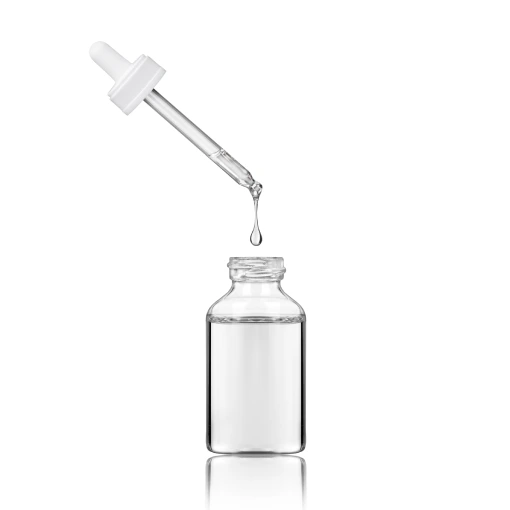
Refined Glycerine 99.7% Min USP BP
Found this useful?