BioBTX and Rain Carbon Partner to Supply Renewable Aromatics from Plastic Waste
BioBTX and Rain Carbon Partner to Supply Renewable Aromatics from Plastic Waste
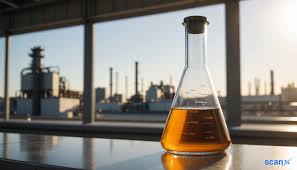
BioBTX and Rain Carbon have agreed to collaborate on the supply of renewable aromatics derived from plastic waste. The partnership targets conversion of mixed plastic waste into about 10,000 tonnes per year of renewable aromatic oil, which will be further processed into benzene, phthalic anhydride and other aromatic intermediates for circular supply chains. The first commercial plant is expected to become operational in early 2028. The deal links a waste-to-aromatics technology developer with an established carbon and chemical materials player, creating a defined route from post-consumer plastic to drop-in aromatic building blocks.
What the Partnership Covers
BioBTX contributes its process for turning plastic waste into aromatic-rich oil. Rain Carbon brings downstream processing capability and market access for benzene, phthalic anhydride and related aromatics used in resins, plasticisers, coatings and other applications. Together they aim to deliver commercially relevant volumes of renewable, waste-derived aromatics that can substitute fossil-based counterparts in existing value chains without requiring customers to change formulations.
Scale and Timeline
The initial capacity target of roughly 10,000 tonnes per year of renewable aromatic oil is modest relative to global aromatics markets, but it is meaningful as a first commercial demonstration of integrated waste-to-aromatics supply. Bringing the first plant online in early 2028 gives the partners a defined window to finalise engineering, permitting, feedstock contracts and offtake. Success at this scale would support later expansion and provide operating data that other circular-aromatics projects will reference.
Why Renewable Aromatics Matter
Benzene and its derivatives remain foundational to a wide range of polymers, resins and specialty chemicals. Most production is still tied to fossil naphtha and reformate. Chemical recycling routes that recover aromatics from plastic waste offer a pathway to lower the fossil intensity of these chains while addressing hard-to-recycle plastic streams that mechanical recycling struggles to handle. A partnership that connects waste conversion directly to downstream aromatic products shortens the commercialisation path and reduces the risk that intermediate oils lack a clear home.
Fit with Broader Circular Plastics Efforts
Europe and other regions continue to push recycled and renewable content targets for plastics and chemicals. Progress in circular polyolefins has been more visible than in aromatics; projects that close the loop on benzene and related molecules help balance the circular portfolio. By focusing on aromatic oil and specified downstream products, BioBTX and Rain Carbon address a segment where quality and consistency requirements are high and where brand and regulatory pressure for circular content is rising.
Implications for Feedstock and Offtake
Reliable supply of suitable plastic waste will be critical. The partners will need consistent volumes and quality of feedstock, along with logistics that keep collection and pre-treatment costs manageable. On the offtake side, customers in coatings, plastics and intermediate chemicals will evaluate the renewable aromatics on technical equivalence, carbon footprint documentation and price. Early offtake agreements would de-risk the 2028 start-up and strengthen the case for follow-on capacity.
Outlook
The BioBTX–Rain Carbon collaboration establishes a concrete route from plastic waste to renewable benzene and phthalic anhydride at a first-plant scale of about 10,000 tonnes per year of aromatic oil, with operations targeted for early 2028. It is a practical step in building circular aromatics supply rather than another high-level memorandum. Delivery will depend on execution of the plant, feedstock security and customer acceptance of the resulting products. If those elements align, the partnership could become a reference case for how chemical recycling and established aromatic value chains can be joined to serve circular demand.
Sources
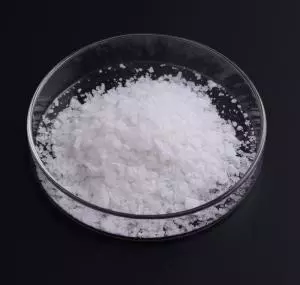
Phthalic Anhydride (99,8%) - Taiwan
Found this useful?