Biofertilizers and Nitrogen's Carbon Footprint: The Shift Toward Sustainable Agriculture

Biofertilizers and Nitrogen's Carbon Footprint Problem: How High Emissions Are Accelerating Interest in Organic Alternatives
Introduction
Nitrogen fertilizers have played a vital role in increasing global agricultural productivity for decades. Products such as urea, ammonia, and ammonium nitrate help improve crop yields and support food security for a growing global population. However, the production and use of nitrogen fertilizers also contribute significantly to greenhouse gas emissions, making them one of the most carbon-intensive segments of modern agriculture.
As governments, businesses, and farmers pursue climate goals and more sustainable farming practices, biofertilizers and organic nutrient solutions are gaining attention as complementary or alternative options. While conventional nitrogen fertilizers will continue to play a central role in global agriculture, growing concerns about their carbon footprint are accelerating investment in low-emission fertilizer technologies.
Why Nitrogen Fertilizers Have a High Carbon Footprint
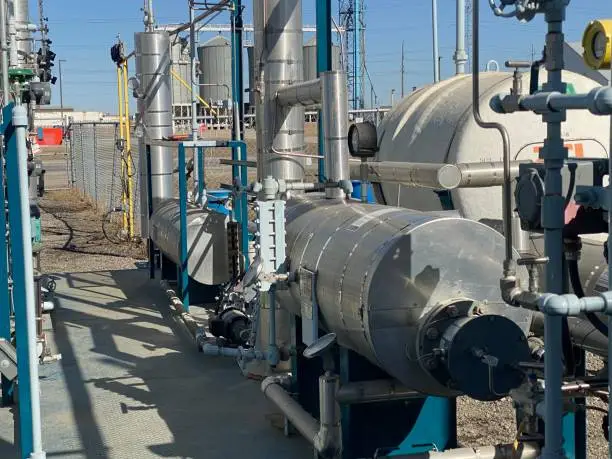
Nitrogen fertilizer production is highly energy-intensive. Most commercial ammonia—the primary building block for nitrogen fertilizers—is produced using natural gas through the Haber-Bosch process, which requires substantial energy and generates significant carbon dioxide (CO₂) emissions.
The carbon footprint comes from two major sources:
Manufacturing Emissions
Large amounts of energy are consumed during ammonia production, leading to considerable CO₂ emissions.
Agricultural Emissions
After application, nitrogen fertilizers can release nitrous oxide (N₂O), a potent greenhouse gas that contributes to climate change.
Together, production and field emissions make nitrogen fertilizers one of the largest contributors to agriculture's overall greenhouse gas emissions.
Growing Demand for Sustainable Agriculture
Across global agricultural markets, sustainability is becoming a key purchasing and policy driver.
Major trends include:
National climate commitments.
Corporate sustainability targets.
Carbon reduction initiatives.
Sustainable food supply chains.
Regenerative agriculture programs.
Consumer demand for environmentally responsible farming.
These developments are encouraging greater adoption of lower-emission nutrient management practices.
What Are Biofertilizers?
Biofertilizers are products containing beneficial microorganisms that improve nutrient availability and support plant growth naturally.
Common types include:
Nitrogen-fixing bacteria.
Phosphate-solubilizing bacteria.
Mycorrhizal fungi.
Plant growth-promoting rhizobacteria (PGPR).
Organic microbial inoculants.
Rather than replacing all synthetic fertilizers, biofertilizers are often used alongside conventional fertilizers to improve nutrient efficiency and reduce overall chemical fertilizer requirements.
Benefits of Biofertilizers
Biofertilizers offer several environmental and agricultural advantages.
Lower Greenhouse Gas Emissions
Reduced dependence on synthetic nitrogen fertilizers can decrease overall carbon emissions.
Improved Soil Health
Beneficial microorganisms enhance soil biodiversity and long-term fertility.
Better Nutrient Efficiency
Microbial activity helps plants absorb nutrients more effectively.
Reduced Chemical Input
Farmers may lower synthetic fertilizer application rates while maintaining crop productivity.
Support for Sustainable Farming
Biofertilizers align with regenerative agriculture and environmentally responsible farming practices.
Challenges to Widespread Adoption
Despite growing interest, biofertilizers also face several limitations.
These include:
Variable performance across different climates and soils.
Limited shelf life for some microbial products.
Greater farmer education requirements.
Lower immediate nutrient availability compared to synthetic fertilizers.
Need for supportive regulations and quality standards.
For many cropping systems, biofertilizers currently complement rather than fully replace conventional nitrogen fertilizers.
Procurement Considerations for Agricultural Businesses
Procurement professionals evaluating sustainable fertilizer strategies should consider several factors.
Evaluate Product Performance
Assess field performance, crop compatibility, and regional suitability before large-scale adoption.
Diversify Nutrient Sources
Combining conventional fertilizers with biofertilizers can improve resilience and sustainability.
Monitor Carbon Reduction Policies
Government incentives and sustainability regulations may influence future fertilizer purchasing decisions.
Consider Total Value
Procurement decisions should evaluate long-term soil health, productivity, and environmental benefits alongside purchase price.
Strengthen Supplier Partnerships
Work with reputable suppliers that provide consistent product quality, technical support, and documented performance data.
Market Outlook
Demand for biofertilizers is expected to continue growing as agriculture transitions toward lower-carbon production systems. Increasing investment in biological crop inputs, carbon reduction technologies, and sustainable farming practices is creating new opportunities for innovation across the fertilizer industry.
At the same time, conventional nitrogen fertilizers will remain essential for meeting global food demand. The future is likely to involve integrated nutrient management, where synthetic fertilizers, biofertilizers, and precision agriculture technologies work together to improve efficiency while reducing environmental impact.
Conclusion
The high carbon footprint associated with nitrogen fertilizer production and use is accelerating interest in biofertilizers and other sustainable nutrient solutions. While synthetic fertilizers remain indispensable for global food production, growing environmental concerns are encouraging farmers and businesses to adopt more balanced and efficient nutrient management strategies.
For procurement professionals, fertilizer manufacturers, and agricultural businesses, the transition toward lower-emission agriculture presents both challenges and opportunities. Organizations that embrace diversified nutrient solutions, monitor sustainability trends, and invest in innovative agricultural technologies will be better positioned to meet future environmental and market expectations.
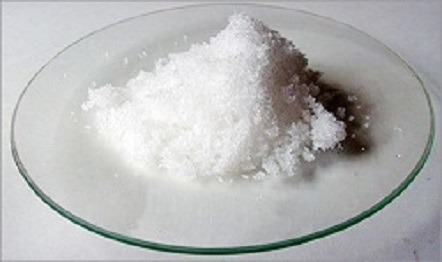
Sodium Nitrate - China
Found this useful?