Biogas and Agricultural Waste as Methanol Feedstock
The global chemical industry is undergoing a major transformation in how it sources critical raw materials. Methanol, one of the most important building-block chemicals, has traditionally been produced from natural gas or coal through energy-intensive syngas processes. These conventional routes are not only carbon-heavy but also heavily concentrated in specific geographic regions, particularly the Gulf countries and parts of Russia. The recent 135-day disruption in the Strait of Hormuz has served as a wake-up call for procurement professionals and supply chain managers across the B2B chemical trading sector. With shipping lanes under threat and price volatility increasing, many companies are actively seeking alternative feedstocks that offer greater resilience and sustainability.
Biogas and agricultural waste as methanol feedstock present a compelling distributed solution. By converting organic waste through anaerobic digestion into biogas and subsequently into biomethanol, producers can create a regionally sourced, lower-carbon alternative that reduces dependence on traditional fossil fuel supply chains.
Why Biogas-Derived Biomethanol Matters for Chemical Buyers
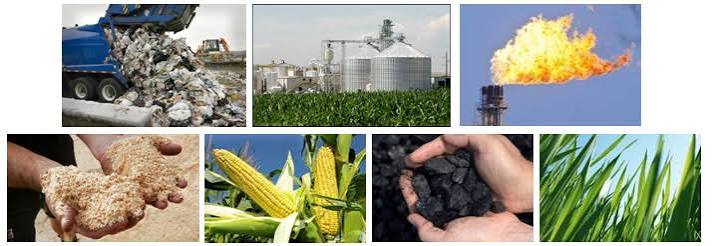
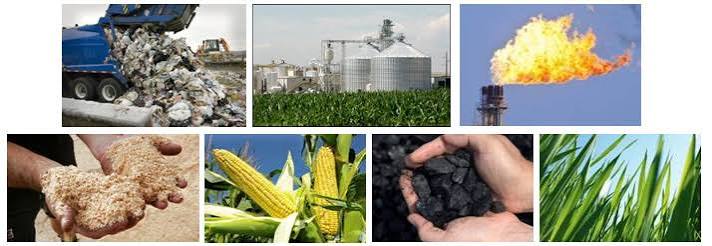
Biomethanol production starts with anaerobic digestion — a well-established biological process where microorganisms break down agricultural residues, animal manure, food waste, municipal solid waste, or sewage sludge in oxygen-free environments. The resulting biogas, rich in methane, can be upgraded and reformed into synthesis gas suitable for methanol synthesis. This pathway offers multiple strategic advantages for chemical trading businesses and downstream manufacturers.
First, it provides geographic diversification. Unlike conventional methanol plants clustered around natural gas fields or coal mines, biogas facilities can be developed near agricultural hubs, waste management centers, or urban areas. This decentralization minimizes exposure to geopolitical risks such as the Hormuz Strait disruptions that have rattled global energy and chemical markets. For procurement teams responsible for securing steady supplies of methanol for formaldehyde, acetic acid, and methyl methacrylate (MMA) production, this represents a practical risk-mitigation strategy.
Second, the environmental benefits are substantial. Biomethanol typically achieves significantly lower lifecycle carbon emissions compared to fossil-based counterparts. By utilizing waste streams that would otherwise decompose and release methane into the atmosphere, this process turns a potential environmental liability into a valuable resource. Many Scandinavian and German pilot projects have successfully demonstrated this circular economy approach at commercial pilot scales, proving both technical feasibility and operational reliability.
Countries like Denmark, Sweden, and Germany have invested heavily in biogas infrastructure over the past decade. Several facilities have progressed from pure power generation to advanced upgrading and methanol synthesis. These European success stories serve as valuable reference points for Asian, North American, and Middle Eastern markets now evaluating similar pathways. The technology is mature enough for small-to-medium scale deployment, with ongoing improvements in catalysts and process efficiency gradually closing the cost gap with traditional methanol.
For B2B chemical marketplace participants, biogas-derived methanol opens new opportunities in sustainable sourcing. Buyers can differentiate their offerings by providing customers with certified lower-carbon methanol grades. This is particularly relevant as major chemical manufacturers and end-users face increasing pressure from ESG reporting requirements and carbon border adjustment mechanisms. Early adopters who secure biomethanol supply agreements may gain competitive advantages in tenders that prioritize sustainability metrics alongside price and reliability.
Practical Applications in Chemical Manufacturing
Biomethanol can be used as a direct replacement or blend in many existing processes. Key downstream applications include:
Formaldehyde production: Essential for resins, adhesives, and construction materials
Acetic acid manufacturing: Widely used in vinyl acetate monomer, solvents, and food-grade applications
Methyl methacrylate (MMA): Critical for acrylic plastics, coatings, and automotive parts
Methyl tert-butyl ether (MTBE) and other fuel additives (where regulations permit)
Emerging uses in biodiesel production and as a hydrogen carrier
The chemical compatibility of biomethanol with existing infrastructure means minimal retrofitting is required at downstream facilities, making adoption relatively straightforward from a technical standpoint.
Challenges and Current Limitations
Despite its promise, biogas-to-methanol production faces several hurdles that procurement professionals must consider. Current global capacity remains modest compared to the massive volumes produced from natural gas in the Gulf region. Scaling up requires significant investment in digestion facilities, gas upgrading systems, and methanol synthesis plants. Feedstock consistency can also vary seasonally and regionally, requiring careful supply chain planning and quality control measures.
However, these challenges are increasingly being addressed through technological innovation and supportive policy frameworks. Many governments are offering incentives for renewable chemical projects, including feed-in tariffs, carbon credits, and grants for waste-to-value initiatives. As carbon pricing mechanisms become more widespread, the economic case for biomethanol continues to strengthen.
Strategic Recommendations for Procurement Teams
Chemical trading companies and large consumers should take the following steps when evaluating biogas and agricultural waste as methanol feedstock:
Conduct a thorough supply risk assessment of current Gulf-dependent contracts
Engage with emerging biomethanol producers and technology providers
Pilot small-volume purchases to test compatibility with existing processes
Develop long-term sourcing strategies that balance conventional and renewable methanol
Monitor regulatory developments around carbon taxes and sustainable chemical standards
The goal is not necessarily to replace all fossil-based methanol immediately, but to build a diversified and resilient portfolio that can withstand future disruptions while progressively reducing carbon footprint.
Market Outlook and Opportunities
The global methanol market is projected to grow steadily in the coming years, driven by demand in chemical intermediates, energy applications, and emerging uses such as marine fuel. Within this expanding market, the share of renewable and bio-based methanol is expected to increase significantly as technology costs decline and sustainability requirements tighten.
For B2B chemical marketplaces, facilitating trade in biomethanol represents a significant growth opportunity. Platforms that connect regional biogas producers with international buyers can play a vital role in scaling this sustainable supply chain. By offering transparent quality certification, carbon footprint documentation, and reliable logistics solutions, marketplaces can accelerate the adoption of biogas-derived methanol across industries.
As more pilot projects transition to commercial scale and production costs become more competitive, biomethanol from agricultural waste is poised to move from niche solution to mainstream feedstock option. Companies that begin evaluating and integrating these alternatives today will be better positioned to navigate the evolving regulatory landscape and meet customer demand for greener chemical products.
In conclusion, biogas and agricultural waste offer a practical, distributed pathway toward more sustainable and secure methanol supply. While not yet a complete replacement for conventional production, biomethanol provides valuable diversification benefits that forward-thinking procurement professionals cannot afford to ignore in today’s volatile global market.