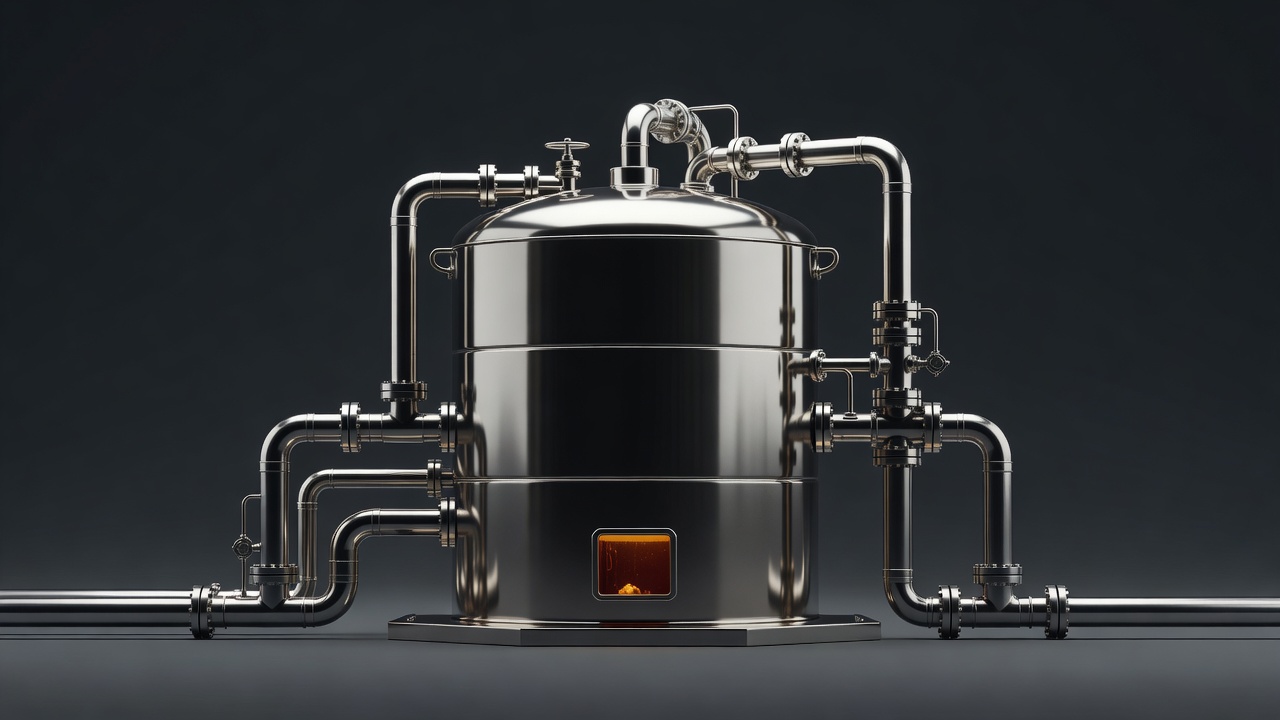
Renewable gases are expected to play an increasingly important role in industrial decarbonization over the coming decades. Among them, biomethane has emerged as one of the most commercially mature alternatives to fossil natural gas because it can often be injected into existing gas networks and used with relatively little modification to industrial infrastructure. However, one challenge continues to limit its overall impact: scale. While new projects are being commissioned across Europe, many remain comparatively small when measured against industrial energy demand.
The expansion of the Ožďany biomethane upgrading unit, increasing production from 750 Nm³ per hour toward a planned 1,300 Nm³ per hour, illustrates this reality. Although the project represents meaningful progress for renewable gas development, it also demonstrates how gradually biomethane capacity grows relative to the enormous volumes required to support large-scale chemical manufacturing and broader decarbonization targets.
Why Biomethane Is Attracting Industrial Interest
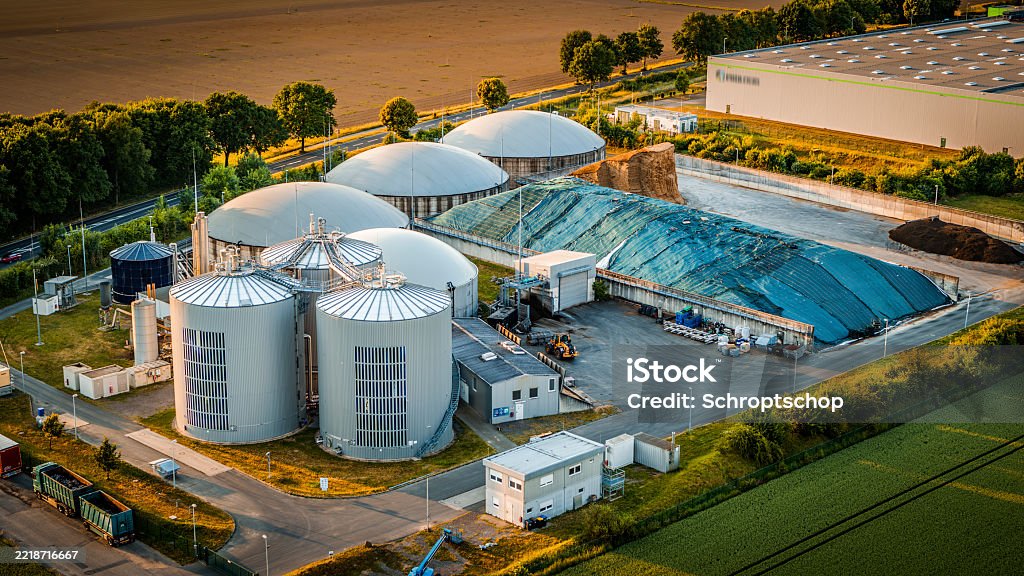
Biomethane is produced by upgrading biogas generated through the anaerobic digestion of organic materials such as agricultural residues, livestock manure, food waste and municipal organic waste.
The upgrading process removes carbon dioxide, moisture and other impurities, producing a methane-rich gas with characteristics similar to conventional natural gas.
Several advantages explain its growing popularity.
Biomethane can often use existing natural gas pipeline infrastructure.
Industrial facilities require relatively few modifications to consume renewable gas.
Organic waste streams become valuable renewable energy resources.
Lifecycle greenhouse gas emissions may be significantly lower than fossil natural gas, depending on feedstock and production methods.
These characteristics make biomethane an attractive option for industries seeking practical decarbonization pathways without completely replacing existing energy systems.
What Does a Biomethane Upgrading Plant Do?
Raw biogas contains methane together with carbon dioxide, water vapour and trace compounds that limit its direct use within gas networks.
Biomethane upgrading plants purify the gas until it meets pipeline-quality specifications.
Although different technologies exist, the general process follows several stages.
Organic materials produce biogas through anaerobic digestion.
Gas cleaning systems remove moisture and contaminants.
Carbon dioxide separation increases methane concentration.
The upgraded biomethane enters storage facilities or natural gas distribution networks.
Because the final product closely resembles conventional natural gas, industrial users can often integrate biomethane into existing operations without major equipment replacement.
The Ožďany Project Illustrates the Scaling Challenge
The planned expansion from 750 Nm³/h to approximately 1,300 Nm³/h represents a significant increase for the individual facility.
From a project perspective, the investment demonstrates confidence in renewable gas production and reflects growing interest in expanding regional biomethane capacity.
However, when compared with industrial natural gas consumption, the increase also highlights the broader challenge facing the sector.
Large chemical complexes consume enormous quantities of energy every day. Even successful expansion projects add relatively modest volumes when viewed against total industrial demand.
This does not diminish the project's importance. Instead, it demonstrates that achieving meaningful sector-wide decarbonization will require hundreds of similar projects, alongside larger facilities and complementary low-carbon energy technologies.
Why Scaling Biomethane Takes Time
Unlike conventional natural gas production, biomethane depends on decentralised biological feedstocks.
Every new project requires reliable supplies of agricultural residues, organic waste or other biomass, together with digestion facilities, upgrading equipment and pipeline connections. These requirements naturally limit how rapidly production capacity can expand.
Several factors influence project development.
Availability of sustainable biomass feedstocks.
Access to natural gas transmission or distribution infrastructure.
Capital investment required for digestion and upgrading facilities.
Local regulations governing renewable gas injection.
Long-term commercial agreements supporting project economics.
These constraints help explain why biomethane production generally grows through numerous incremental projects rather than a small number of very large facilities.
Incremental Growth Still Delivers Valuable Progress
Although individual biomethane facilities may appear modest compared with industrial energy demand, each successful project contributes to a broader renewable gas network.
Expanding production from 750 Nm³/h to 1,300 Nm³/h increases local renewable gas availability while providing valuable operational experience that can improve future projects. As engineering expertise develops and upgrading technologies mature, larger facilities may become more economically attractive.
Several long-term benefits emerge from incremental expansion.
Operational experience improves plant efficiency and future project design.
Regional renewable gas infrastructure continues expanding.
Investors gain greater confidence in commercial biomethane projects.
Technology providers refine upgrading systems through real-world operating data.
Rather than replacing conventional natural gas overnight, biomethane is expected to contribute gradually as part of a diversified industrial energy transition.
Biomethane Alone Cannot Decarbonise Heavy Industry
The Ožďany expansion illustrates an important reality facing industrial decarbonisation. Renewable gas is one solution, but it is unlikely to meet all future industrial energy requirements on its own.
Chemical manufacturing, fertilizer production and other energy-intensive industries consume vast quantities of natural gas every year. Even with steady growth in biomethane capacity, additional technologies will remain essential to achieve broader climate objectives.
Complementary approaches include:
Renewable hydrogen for selected industrial processes.
Electrification powered by low-carbon electricity.
Carbon capture and storage for existing facilities.
Energy efficiency improvements that reduce overall fuel consumption.
Advanced renewable fuels supporting applications where direct electrification remains challenging.
Together, these technologies create a more diversified pathway toward lower-carbon manufacturing.
Procurement Teams Should Focus on Regional Supply Growth
For procurement professionals, biomethane availability is likely to remain highly regional rather than globally standardised.
Unlike internationally traded liquefied natural gas, biomethane production depends on local feedstock availability and nearby gas infrastructure. Buyers should therefore monitor regional project development rather than relying solely on national production statistics.
Important procurement indicators include:
New biomethane upgrading capacity entering commercial operation.
Expansion of natural gas networks capable of accepting renewable gas.
Availability of agricultural and organic waste feedstocks.
Government incentives supporting renewable gas production.
Long-term supply agreements between producers and industrial consumers.
These factors provide valuable insight into future renewable gas availability within specific markets.
Scaling Will Depend on Infrastructure and Investment
Future biomethane growth will require more than additional upgrading units.
Expanding production also depends on pipeline connections, feedstock collection systems, storage infrastructure and stable policy frameworks that encourage long-term investment. As more facilities are commissioned, economies of scale and technological improvements may gradually reduce production costs.
Continued collaboration between agricultural producers, technology providers, utilities and industrial users will also play an important role in accelerating deployment. This integrated approach helps maximise the value of available biomass resources while strengthening renewable gas supply chains.
The Bottom Line for Chemical Buyers
The Ožďany project demonstrates both the opportunity and the challenge facing biomethane. Expanding production from 750 Nm³/h to 1,300 Nm³/h is a meaningful achievement for an individual facility, yet it also illustrates how incremental capacity additions alone cannot satisfy the enormous energy requirements of the global chemical industry.
For procurement professionals, the key lesson is to view biomethane as one component of a broader decarbonisation strategy rather than a complete replacement for conventional natural gas. Monitoring regional capacity expansion, infrastructure investment and complementary low-carbon technologies will provide a clearer understanding of how renewable gas will contribute to industrial energy systems over the coming decade.