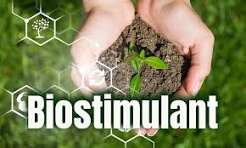
Biostimulants: The Emerging Regulatory Framework and What Buyers Need to Know
Biostimulants are becoming an increasingly important part of modern crop production as growers seek solutions that improve nutrient efficiency, enhance plant resilience, and support sustainable agriculture. Unlike traditional fertilizers or pesticides, biostimulants work by stimulating natural plant processes rather than supplying nutrients directly or controlling pests and diseases.
As the market has expanded, regulatory authorities have introduced clearer rules to define what qualifies as a biostimulant. In the European Union, the EU Fertilising Products Regulation (EU) 2019/1009, applicable since 16 July 2022, established the first harmonized framework for CE-marked fertilising products, including plant biostimulants.
For agrochemical procurement professionals, importers, and distributors supplying EU markets, understanding this evolving regulatory landscape is essential for product sourcing, documentation, and market access.
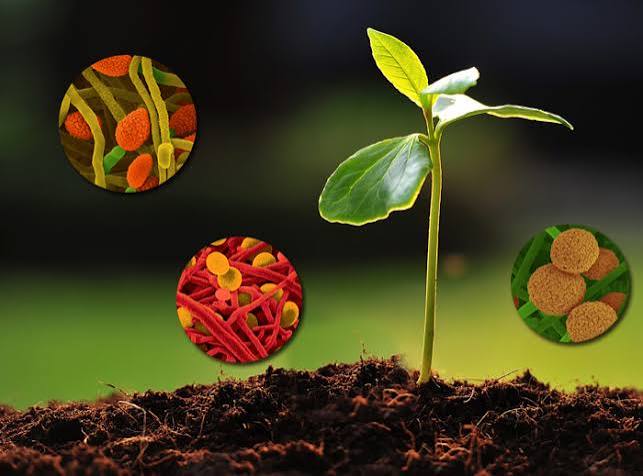
What Are Biostimulants?
Plant biostimulants are substances or microorganisms that stimulate natural plant processes to improve crop performance.
Rather than acting as fertilizers or pesticides, they help plants make better use of available nutrients and cope with environmental stress.
Potential benefits include:
Improved nutrient use efficiency
Enhanced tolerance to abiotic stress
Better crop quality
Increased root development
Improved soil biological activity
Greater overall crop performance
How Biostimulants Differ from Fertilizers
Fertilizers primarily supply essential nutrients such as nitrogen, phosphorus, and potassium.
Biostimulants, by contrast, work by enhancing the plant's natural physiological processes without serving as a primary nutrient source.
This distinction is an important part of regulatory classification.
How Biostimulants Differ from Plant Protection Products
Plant protection products are designed to prevent, control, or eliminate pests, diseases, or weeds.
Biostimulants do not function as pesticides. Their purpose is to improve plant performance under normal growing conditions or environmental stress without making pesticide claims.
If a product claims to control pests or diseases, it may fall under different regulatory requirements.
Calcium Sulfate
The EU Regulatory Framework
The EU Fertilising Products Regulation (EU) 2019/1009 established a harmonized framework for CE-marked fertilising products across the European Union.
The regulation became applicable on 16 July 2022 and includes provisions for plant biostimulants alongside other fertilising products.
Its objectives include:
Harmonizing product requirements
Supporting the free movement of compliant products within the EU
Establishing common safety and quality standards
Creating clear conformity assessment procedures
CE Marking for Biostimulants
Under the EU Fertilising Products Regulation, eligible products may be placed on the market with CE marking after meeting applicable regulatory requirements.
CE marking demonstrates that the product complies with relevant provisions of the regulation, including applicable conformity assessment procedures.
Manufacturers remain responsible for ensuring compliance with all applicable requirements before placing products on the market.
Common Biostimulant Categories
The regulation recognizes a range of materials commonly used in plant biostimulant products.
Examples include:
Humic Substances
Derived from naturally occurring organic matter, humic substances are widely used to support nutrient availability and soil health.
Fulvic Acids
Fulvic acids are lower molecular weight organic compounds commonly included in nutrient efficiency and soil improvement products.
Protein Hydrolysates
Produced from plant or animal proteins, these materials contain amino acids and peptides used in various crop nutrition programs.
Seaweed Extracts
Seaweed-based products are widely used in horticulture and agriculture for supporting plant growth and stress tolerance.
Microbial Biostimulants
These products contain beneficial microorganisms that promote nutrient availability or stimulate plant development through biological interactions.
Procurement Considerations
Understanding regulatory status is essential before importing or distributing biostimulant products.
Important considerations include:
Product Classification
Confirm whether the product qualifies as a plant biostimulant under the applicable regulatory framework.
Documentation
Verify that technical documentation supports the intended regulatory pathway and product claims.
CE Marking Eligibility
Determine whether the product is eligible for CE marking under the EU Fertilising Products Regulation or whether alternative regulatory requirements apply.
Labeling Requirements
Ensure product labels comply with applicable legal requirements for the intended market.
Supplier Verification
Work with manufacturers that provide complete technical files, quality documentation, and regulatory support.
The Regulatory Grey Zone
Although the EU framework has improved regulatory clarity, some products remain challenging to classify.
Certain products may contain ingredients or make claims that place them between:
Plant biostimulants regulated under the EU Fertilising Products Regulation
Plant protection products regulated under Regulation (EC) No. 1107/2009
Classification depends on multiple factors, including product composition, intended purpose, and marketing claims.
For this reason, buyers should carefully review regulatory documentation before procurement decisions.
Best Practices for Procurement Teams
Successful sourcing begins with regulatory due diligence.
Procurement professionals should:
Verify product classification before purchase.
Review technical documentation carefully.
Confirm applicable conformity assessment requirements.
Ensure labeling supports regulatory compliance.
Work with experienced manufacturers familiar with EU regulations.
Monitor future regulatory updates as guidance continues to evolve.
Long-Term Outlook
The global biostimulant market is expected to continue expanding as agriculture increasingly focuses on nutrient efficiency, climate resilience, and sustainable crop production. Regulatory frameworks are also evolving to provide greater consistency and confidence for manufacturers, distributors, and end users.
For procurement professionals, understanding both the science and the regulatory status of biostimulants is becoming a competitive advantage. Careful supplier selection, strong documentation, and awareness of applicable regulations help support compliant market access while meeting the growing demand for innovative crop input solutions.
Key Takeaways
Biostimulants improve nutrient efficiency, stress tolerance, and crop performance without functioning as fertilizers or pesticides.
The EU Fertilising Products Regulation (EU) 2019/1009 established a harmonized framework for CE-marked plant biostimulants and became applicable on 16 July 2022.
Common biostimulant categories include humic substances, fulvic acids, protein hydrolysates, seaweed extracts, and microbial biostimulants.
Product classification determines whether a product follows the EU Fertilising Products Regulation or other applicable regulatory pathways.
Procurement teams should verify product classification, technical documentation, labeling, and supplier compliance before importing or distributing biostimulants.
Found this useful?