Blank Sailings and Port Congestion: Inside the Summer 2026 Bottleneck
Blank Sailings and Port Congestion: Inside the Summer 2026 Bottleneck
Introduction
Global shipping is facing another challenging season as blank sailings and port congestion create delays across major trade routes during the summer of 2026. These disruptions are reducing vessel capacity, extending transit times, and increasing logistics costs for businesses worldwide.
For importers, exporters, and chemical traders, understanding these issues is essential for better planning and minimizing supply chain risks.
What Are Blank Sailings?
A blank sailing occurs when a shipping line cancels a scheduled voyage or skips a planned port call. Carriers use blank sailings to balance supply and demand, manage vessel schedules, or respond to operational disruptions.
Common reasons include:
Lower or shifting cargo demand
Port congestion
Vessel delays
Network adjustments
Adverse weather conditions
When sailings are canceled, fewer containers can be transported, often leading to higher freight rates and booking delays.
Why Is Port Congestion Increasing?
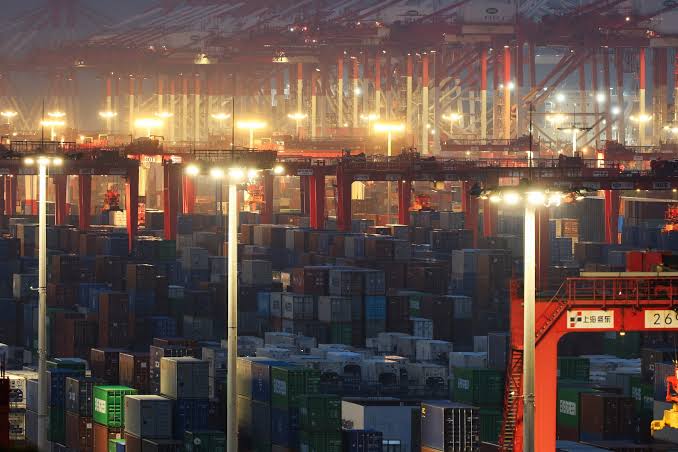
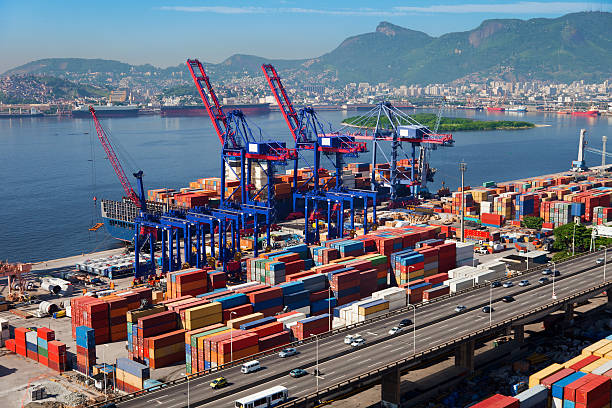
Port congestion occurs when ports cannot efficiently handle the volume of arriving cargo. During Summer 2026, congestion has been driven by:
High seasonal import demand
Delayed vessel arrivals
Labor and equipment shortages
Longer customs clearance times
Congested inland transportation networks
As ships wait longer for berths, schedules become increasingly unreliable.
How Does This Affect Shippers?
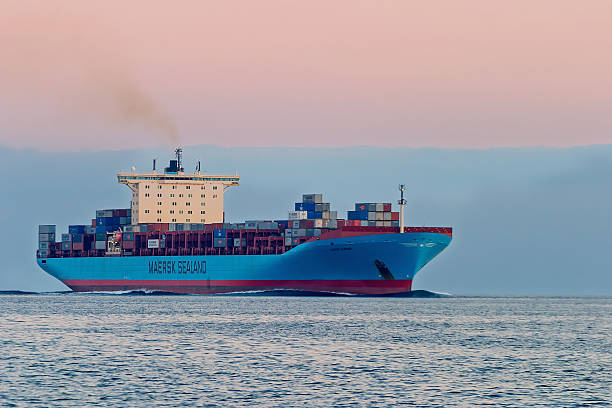
The combination of blank sailings and port congestion can result in:
Longer transit times
Increased freight costs
Container shortages
Delivery delays
Higher inventory carrying costs
Industries that depend on just-in-time supply chains, including the chemical sector, are particularly vulnerable.
How to Reduce the Impact
Businesses can minimize disruption by:
Booking shipments earlier than usual.
Maintaining safety stock for critical products.
Working with multiple carriers or freight forwarders.
Monitoring shipment schedules in real time.
Building flexibility into delivery timelines.
Proactive planning can help reduce unexpected costs and improve supply chain resilience.

Aluminium Nitrate
Found this useful?