Blue Ammonia in Louisiana: Why CF Industries Is Betting on Blue Hydrogen
Ammonia is entering a new phase in the energy transition, but the route to lower-carbon production is not following a single path. CF Industries, Mitsui and Jera have taken a final investment decision on the Blue Point complex in Louisiana, designed to produce 1.4 million tonnes of ammonia per year using blue hydrogen and targeting production in 2029.
The project highlights a critical market question for chemical buyers: does the fastest route toward lower-carbon ammonia need to be the greenest technology available, or the technology that can attract capital, integrate with existing infrastructure and deliver at industrial scale? In 2026, blue ammonia is making a strong case for the latter.
Why Blue Ammonia Is Gaining Industrial Attention
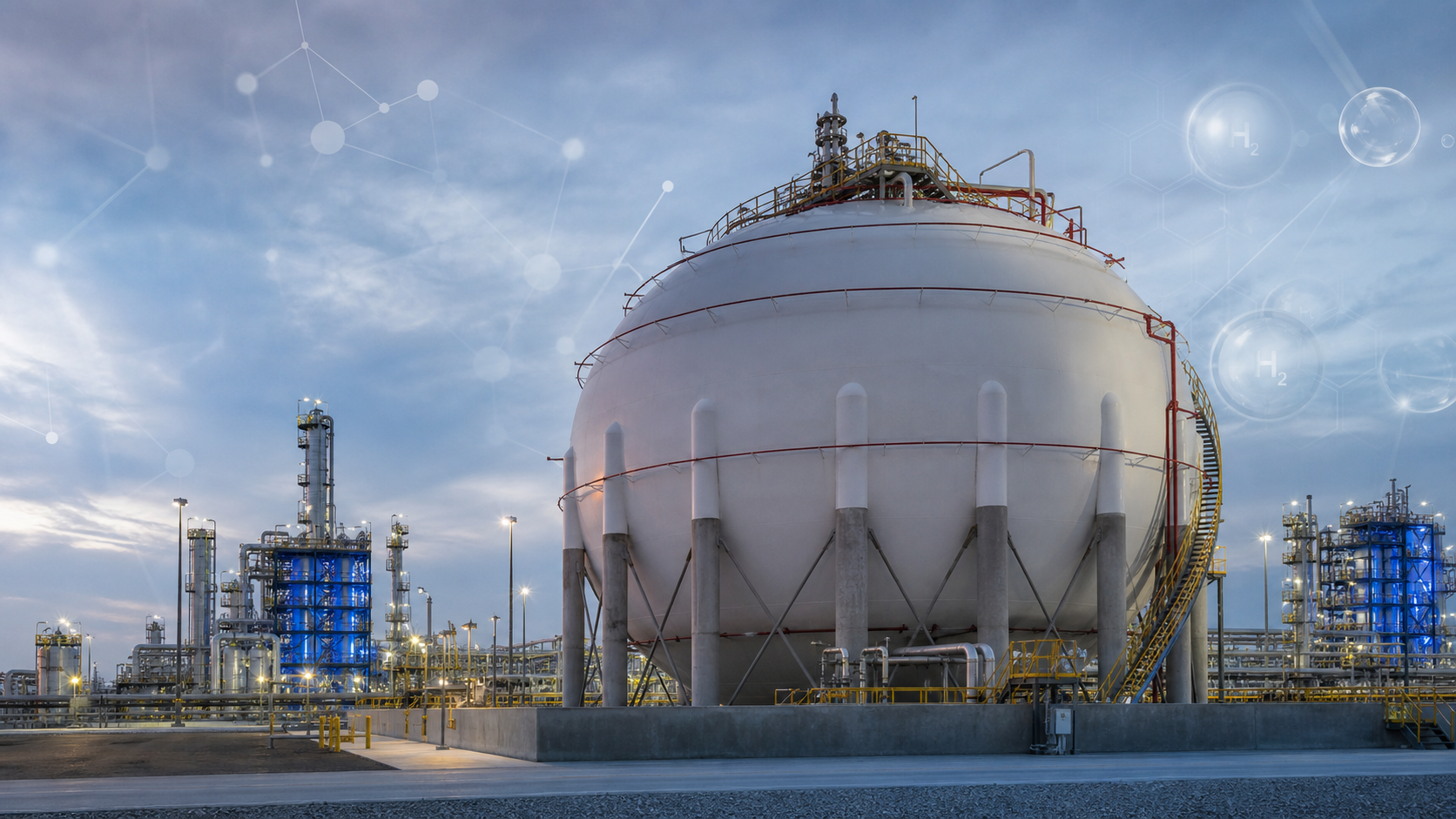
Blue ammonia starts with blue hydrogen, which typically comes from natural gas while incorporating carbon capture and storage into the production process. The hydrogen then becomes the feedstock for ammonia production rather than relying on conventional hydrogen production without carbon capture.
For large industrial projects, this pathway offers an important advantage. It builds on technologies, feedstocks and infrastructure that already have deep roots in the conventional ammonia industry.
The Blue Point complex reflects that pragmatic approach. CF Industries and its partners are positioning the Louisiana project around large-scale ammonia production while using blue hydrogen as the lower-carbon production pathway.
For procurement teams, the significance extends beyond one project. It signals that the lower-carbon ammonia market may develop through technologies that can move from established industrial systems into cleaner production without requiring an entirely new supply chain.
The Bankability Question Behind Blue Hydrogen
Green hydrogen receives substantial attention because renewable electricity can split water into hydrogen and oxygen without direct carbon dioxide emissions from the hydrogen production process. Yet the commercial equation becomes more complicated when buyers need millions of tonnes of consistent industrial output.
Large green hydrogen projects depend on several variables, including renewable power availability, electricity costs, electrolyzer deployment, transmission infrastructure and project financing. Developers also need to coordinate hydrogen production with ammonia synthesis and downstream logistics.
Blue hydrogen approaches the challenge differently. Natural gas provides an established feedstock while carbon capture technology addresses the associated emissions, allowing developers to build around industrial systems that already operate at scale.
For investors and lenders, this distinction can matter as much as the headline emissions profile. A project with familiar infrastructure, established feedstock access and a clearer path to continuous production can offer stronger confidence around construction, operations and commercial offtake.
That does not make blue ammonia automatically superior to green ammonia. It shows why bankability has become a central factor in the industrial hydrogen race.
Louisiana Gives Blue Ammonia a Strategic Advantage
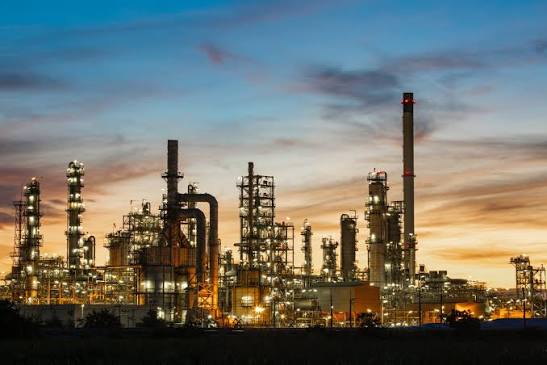
The location of the Blue Point complex is central to its commercial logic. Louisiana has a long-established chemical and petrochemical base, providing access to industrial infrastructure, skilled labor, feedstock networks and transportation systems.
Ammonia production also benefits from proximity to established distribution channels. Producers can move ammonia through infrastructure serving fertilizer, chemical and industrial markets, reducing the need to build an entirely new logistics ecosystem around the lower-carbon product.
The project therefore connects a transition technology with an existing industrial cluster. That combination can reduce some of the commercial friction that has slowed other energy-transition projects.
CF Industries’ partnership with Mitsui and Jera adds another important dimension. Multiple strategic participants can bring capital, market access and downstream relationships to a project where production economics depend heavily on long-term demand.
What 1.4 Million Tonnes Means for the Ammonia Market
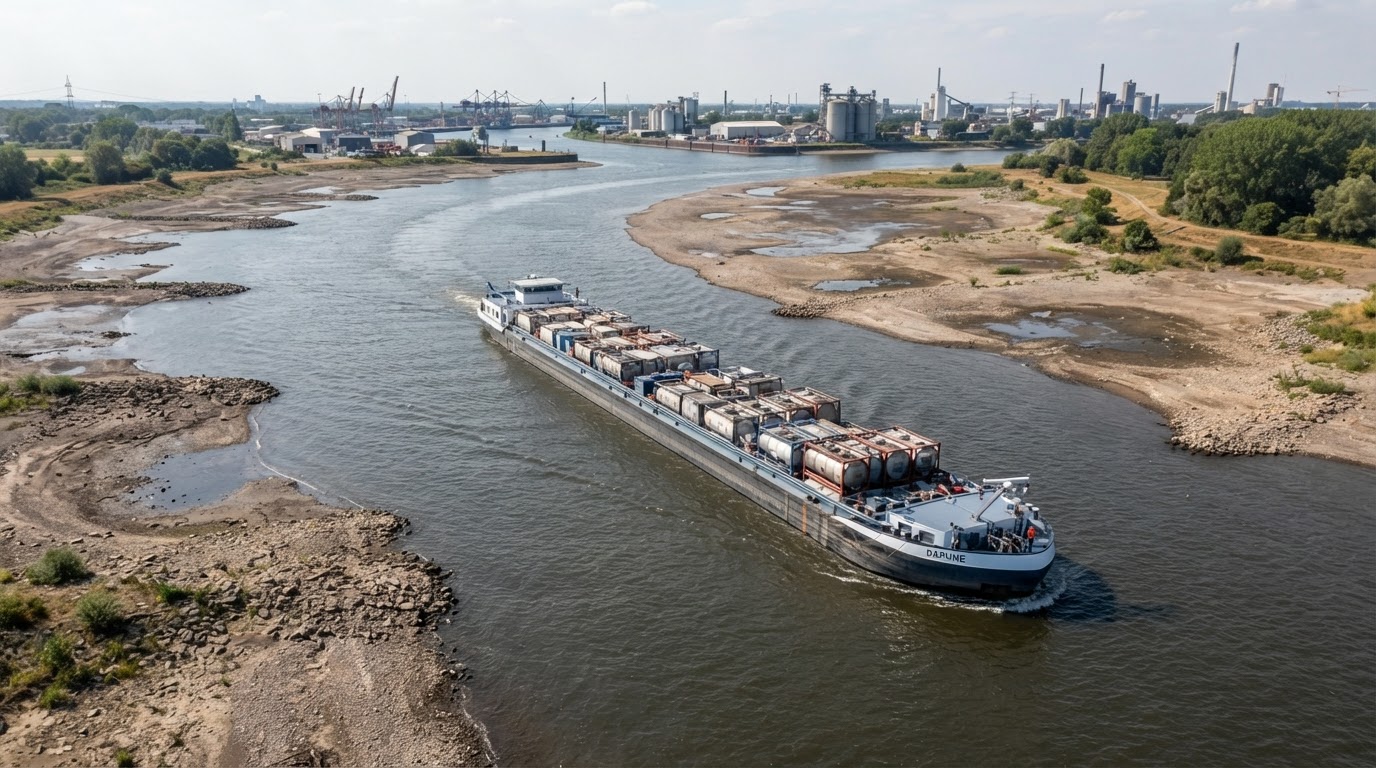
A planned production capacity of 1.4 million tonnes per year places the Blue Point complex firmly in the large-scale industrial category. For ammonia buyers, that scale matters because reliable availability remains one of the most important requirements when evaluating lower-carbon supply.
Ammonia already serves several major markets, with fertilizers representing a core demand center. It also supports industrial chemicals and emerging energy applications, creating opportunities for producers that can offer lower-carbon ammonia without abandoning the molecule's established handling and transport characteristics.
A project of this scale can also help establish commercial benchmarks for blue ammonia. As production volumes increase, buyers can gain greater visibility into pricing, supply commitments and contract structures.
Procurement teams should therefore look beyond the environmental credentials of individual projects. They should assess whether the producer can deliver:
Consistent production: Industrial consumers need dependable volumes rather than intermittent availability linked to variable energy supply.
Scalable logistics: Ammonia requires established storage, transportation and handling systems that can support regular shipments.
Long-term commercial visibility: Buyers need predictable contracts when incorporating lower-carbon materials into multiyear procurement strategies.
Competitive economics: Lower-carbon production must remain commercially viable against conventional ammonia and competing low-carbon routes.
Blue Versus Green Ammonia: A Different Transition Strategy
The debate between blue and green ammonia often focuses on emissions, but industrial procurement requires a broader comparison. Buyers also need to consider production scale, infrastructure, energy availability, financing and delivery reliability.
Green ammonia can offer a compelling long-term pathway where abundant renewable electricity and suitable infrastructure support competitive hydrogen production. However, projects can face challenges when renewable power costs remain high or when electrolyzer capacity and supporting infrastructure must be developed from scratch.
Blue ammonia takes a more incremental route. It uses natural gas-based hydrogen production combined with carbon capture, allowing developers to leverage much of the industrial ecosystem already associated with ammonia.
For chemical traders, this creates two potentially distinct market pathways rather than a simple winner-takes-all competition. Blue ammonia may gain near and medium-term traction where industrial infrastructure and natural gas availability create favorable economics, while green ammonia can expand as renewable power and electrolyzer economics improve.
The result could be a diversified low-carbon ammonia market where technology choice depends heavily on geography and project economics.
Why Procurement Teams Should Watch 2029
The Blue Point project targets production in 2029, giving buyers a useful reference point for the development of lower-carbon ammonia supply during the second half of the decade.
Procurement managers should use this period to evaluate how customer demand is developing across fertilizer, chemical and emerging energy markets. Companies that wait until lower-carbon ammonia becomes widely available may have fewer options when seeking preferred suppliers, contract structures or origin-specific material.
Early planning can help buyers determine which requirements actually matter commercially. Depending on the application, a buyer may prioritize emissions performance, physical supply reliability, certification requirements, geographic origin or long-term price stability.
Key questions for procurement teams include:
What percentage of future ammonia demand could shift toward lower-carbon supply?
Will customers pay a premium for ammonia with a lower emissions profile?
Which certification or carbon accounting requirements will apply to the final product?
Does the company need physical blue ammonia or simply a lower-carbon emissions attribute?
Which suppliers have the infrastructure and financial backing to maintain long-term production?
These questions can shape sourcing strategies well before the new production capacity reaches the market.
What Blue Ammonia Means for Chemical Traders
The growth of blue ammonia could create new trading opportunities across regional markets. Traders may increasingly need to distinguish between conventional ammonia, blue ammonia and green ammonia based on production pathway, carbon intensity and contractual specifications.
This distinction could become particularly important when buyers operate under corporate emissions targets or supply-chain requirements. A lower-carbon ammonia molecule may command a different commercial value from conventional material even when the underlying chemical specification remains ammonia.
Traders can prepare by developing relationships across the emerging supply chain. That includes producers, logistics providers, storage operators and industrial consumers.
They should also track the commercial language surrounding lower-carbon ammonia. Terms related to carbon intensity, capture rates, certification and lifecycle emissions can increasingly influence negotiations even when the physical product remains familiar.
The Supply Chain Advantage of Existing Infrastructure
One of blue ammonia's strongest commercial arguments is its compatibility with established industrial systems. Ammonia already has extensive production, storage and transportation infrastructure, while Louisiana has one of the world's most developed industrial chemical ecosystems.
This infrastructure can help reduce the transition burden. Rather than creating an entirely new pathway from renewable electricity to hydrogen, ammonia synthesis, storage and distribution, blue projects can integrate lower-carbon hydrogen into an established industrial chain.
That integration does not eliminate project risks. Carbon capture facilities, pipelines, storage arrangements and new production units still require significant investment and operational coordination.
However, the ability to connect new technology with existing assets can make a major difference when investors assess construction timelines and operating risks.
Risks Buyers Still Need to Monitor
Blue ammonia's commercial momentum does not remove the need for careful sourcing. Buyers should monitor several factors as projects move from investment decisions toward production.
Natural gas economics will remain important because blue hydrogen depends on natural gas as a feedstock. Changes in regional gas prices can therefore influence production economics and the competitiveness of blue ammonia.
Carbon capture performance will also matter. Buyers increasingly need clarity around emissions intensity rather than relying only on broad labels such as blue or low-carbon.
Infrastructure execution represents another major consideration. The economics of a large ammonia project depend on coordinated development across hydrogen production, carbon management, ammonia synthesis and logistics.
Finally, market demand will determine how quickly lower-carbon ammonia gains commercial scale. Strong demand from fertilizer producers, industrial users and emerging energy applications can improve project economics and encourage additional investment.
The Market Outlook for Blue Ammonia Beyond 2029
The Blue Point complex could become an important reference for the next phase of ammonia market development. Its scale demonstrates how established chemical producers and international partners can combine conventional industrial expertise with lower-carbon production technology.
The broader market will likely remain competitive between blue and green pathways. Green hydrogen can gain ground as renewable electricity becomes more competitive and electrolyzer projects expand, while blue hydrogen can benefit from existing natural gas infrastructure and large-scale industrial experience.
For chemical buyers, the practical implication is straightforward. The transition toward lower-carbon ammonia will not necessarily follow one technology or one regional model.
Projects that can combine competitive costs, dependable production and credible emissions performance will have the strongest opportunity to secure long-term industrial demand. CF Industries, Mitsui and Jera are placing the Blue Point complex within that commercial reality, using blue hydrogen to pursue large-scale ammonia production on a 2029 timeline.
What Buyers Should Do Now
Procurement teams do not need to wait until 2029 to prepare for the changing ammonia market. They can begin by mapping current ammonia demand against future emissions requirements and identifying which customers or production lines could require lower-carbon material.
A practical sourcing strategy should focus on four priorities:
Supplier diversification: Build relationships with producers pursuing different low-carbon pathways rather than relying on one technology.
Specification clarity: Define acceptable emissions intensity, certification and origin requirements before negotiating supply contracts.
Cost modeling: Compare the total procurement cost of conventional, blue and green ammonia rather than focusing only on the quoted product price.
Long-term planning: Assess future ammonia requirements early because large-scale lower-carbon projects require substantial lead times.
The Blue Point project illustrates a broader shift in industrial thinking. The race toward cleaner ammonia is increasingly about finding a pathway that can combine lower emissions with financing, infrastructure and reliable production at commercial scale.
For chemical traders and procurement professionals, that makes blue ammonia more than a technology story. It is becoming a supply, pricing and sourcing consideration that could shape ammonia markets throughout the next decade. Ready to source Ammonia from verified global suppliers? Explore competitive offers on our platform today.
Ammonia Anhydrous
Found this useful?