Blue Ammonia's Comeback: Why Producers Are Retreating From Green Projects
The clean ammonia market has entered a new phase. While green ammonia attracted significant investment over the past few years, many producers now prioritize blue ammonia because it offers a more practical path to lower emissions without waiting for low cost renewable hydrogen at scale.
This shift matters for fertilizer manufacturers, chemical producers and global procurement teams. As clean hydrogen strategies evolve, investment decisions increasingly reflect commercial viability instead of ambitious timelines alone. Companies continue to pursue decarbonization, but many now see blue ammonia as the bridge between conventional production and a fully renewable future.
Why Blue Ammonia Is Returning to the Spotlight
Ammonia production traditionally relies on natural gas or coal to generate hydrogen. Blue ammonia follows a similar production route but integrates carbon capture and storage technologies to reduce carbon dioxide emissions generated during manufacturing.
Green ammonia replaces fossil-based hydrogen with hydrogen produced through renewable-powered electrolysis. Although this pathway offers lower lifecycle emissions, it depends on abundant renewable electricity, large electrolyzer capacity and competitive power prices.
Several market conditions have strengthened blue ammonia's position:
Carbon capture technology has matured across multiple industrial regions, making blue ammonia projects easier to finance than only a few years ago.
Existing ammonia infrastructure often requires fewer modifications for blue production than for entirely new green hydrogen facilities.
Producers can leverage established natural gas supply chains while lowering emissions through carbon capture systems.
Buyers seeking lower carbon products can secure volumes sooner instead of waiting for green projects that may face delays.
Why Green Ammonia Projects Are Losing Momentum
Green ammonia remains an important long-term objective. However, project developers increasingly face economic pressures that slow investment decisions.
Electrolyzers remain expensive and renewable electricity prices vary significantly across regions. Large green ammonia facilities also require reliable renewable power throughout the year, which increases infrastructure investment.
Additional challenges include:
Rising engineering and construction costs.
Higher financing costs compared with earlier project assumptions.
Delays in renewable energy development.
Uncertainty around government incentives in several markets.
Rather than abandoning sustainability goals, producers are adjusting their investment sequence. Many now develop blue ammonia facilities first while continuing research and planning for future green capacity.
The Role of Clean Hydrogen in Future Chemical Production
Hydrogen sits at the center of ammonia, methanol and several other chemical value chains. As a result, products increasingly carry labels such as green, blue or bio depending on the source of hydrogen used during production.
This classification has become important for procurement teams because customers increasingly evaluate products not only on price and quality but also on carbon intensity.
For industrial buyers, this means supplier discussions now extend beyond specifications and delivery schedules. They increasingly include questions about:
Hydrogen source.
Carbon footprint.
Carbon capture performance.
Certification and traceability.
Long-term supply commitments.
Market Economics Are Driving Investment Decisions
The current market demonstrates that sustainability alone does not guarantee investment success. Producers must balance environmental objectives with profitability and operational reliability.
Blue ammonia benefits from existing natural gas infrastructure in many producing regions. This reduces development risk compared with building entirely new renewable hydrogen ecosystems.
Meanwhile, green ammonia economics continue to improve, but many projects still require supportive policies or premium pricing to achieve acceptable returns.
For procurement professionals, this changing landscape suggests that blue ammonia volumes may enter commercial markets faster than originally expected.
Regional Investment Trends
Different regions are adopting different strategies based on available resources.
North America continues expanding projects supported by natural gas resources and carbon storage capacity.
The Middle East combines competitive gas supplies with investments in carbon capture while also developing renewable hydrogen projects for future expansion.
Europe remains committed to green hydrogen development but faces higher energy costs and complex permitting processes that influence project timelines.
Asia continues investing across both pathways to strengthen fertilizer security and support industrial decarbonization.
What This Means for Fertilizer and Chemical Buyers
Procurement teams should avoid assuming that every clean ammonia announcement will result in immediate commercial supply.
Instead, buyers should evaluate suppliers using multiple commercial criteria.
Consider asking suppliers about:
Their expected production timeline and commercial availability.
Carbon capture technology and expected emissions performance.
Feedstock sourcing strategy.
Long-term pricing mechanisms.
Export logistics and storage capabilities.
Certification supporting low carbon claims.
Early engagement with suppliers can improve supply security as competition for lower carbon ammonia grows.
Supply Chain Considerations Beyond Production
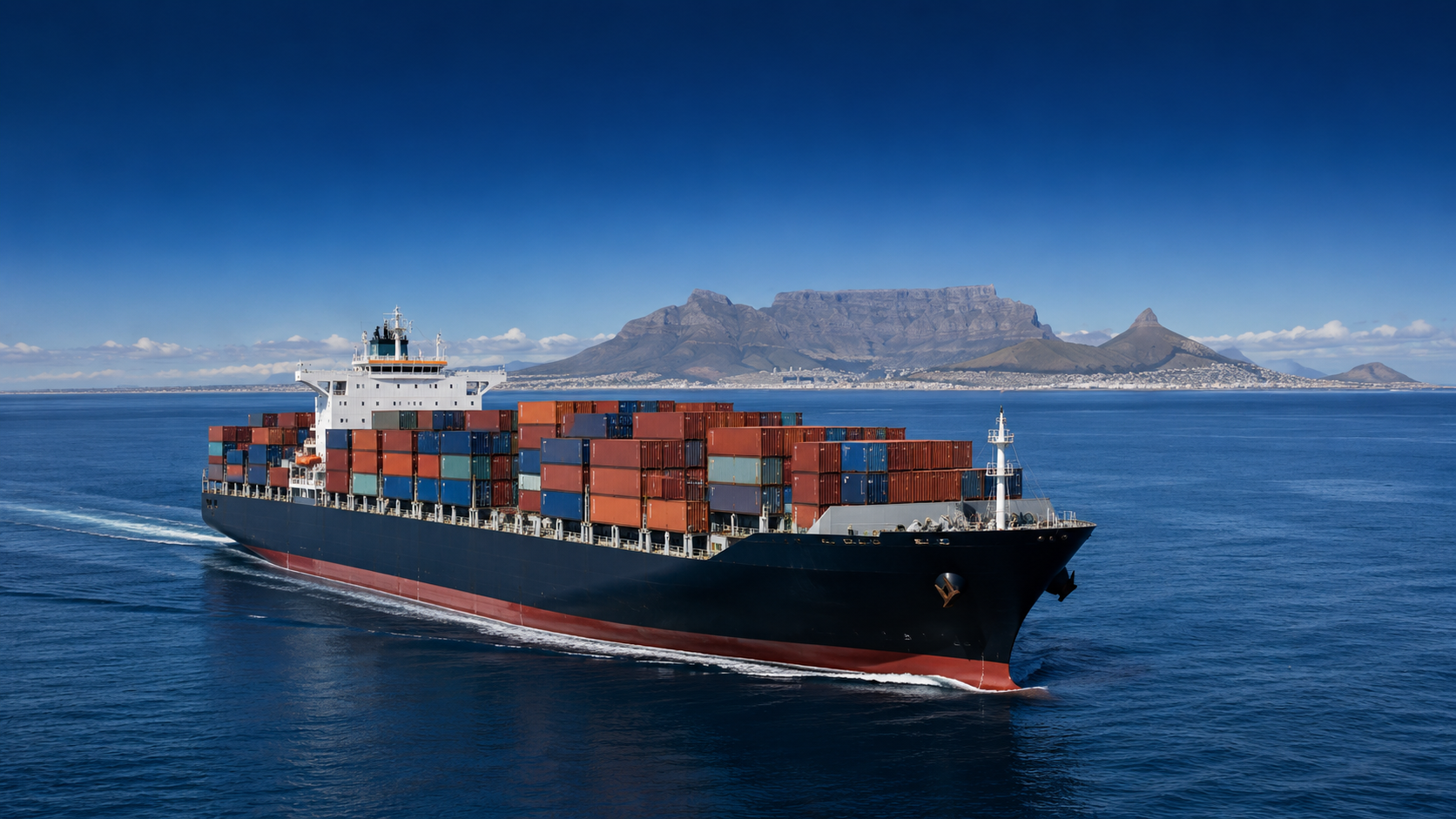
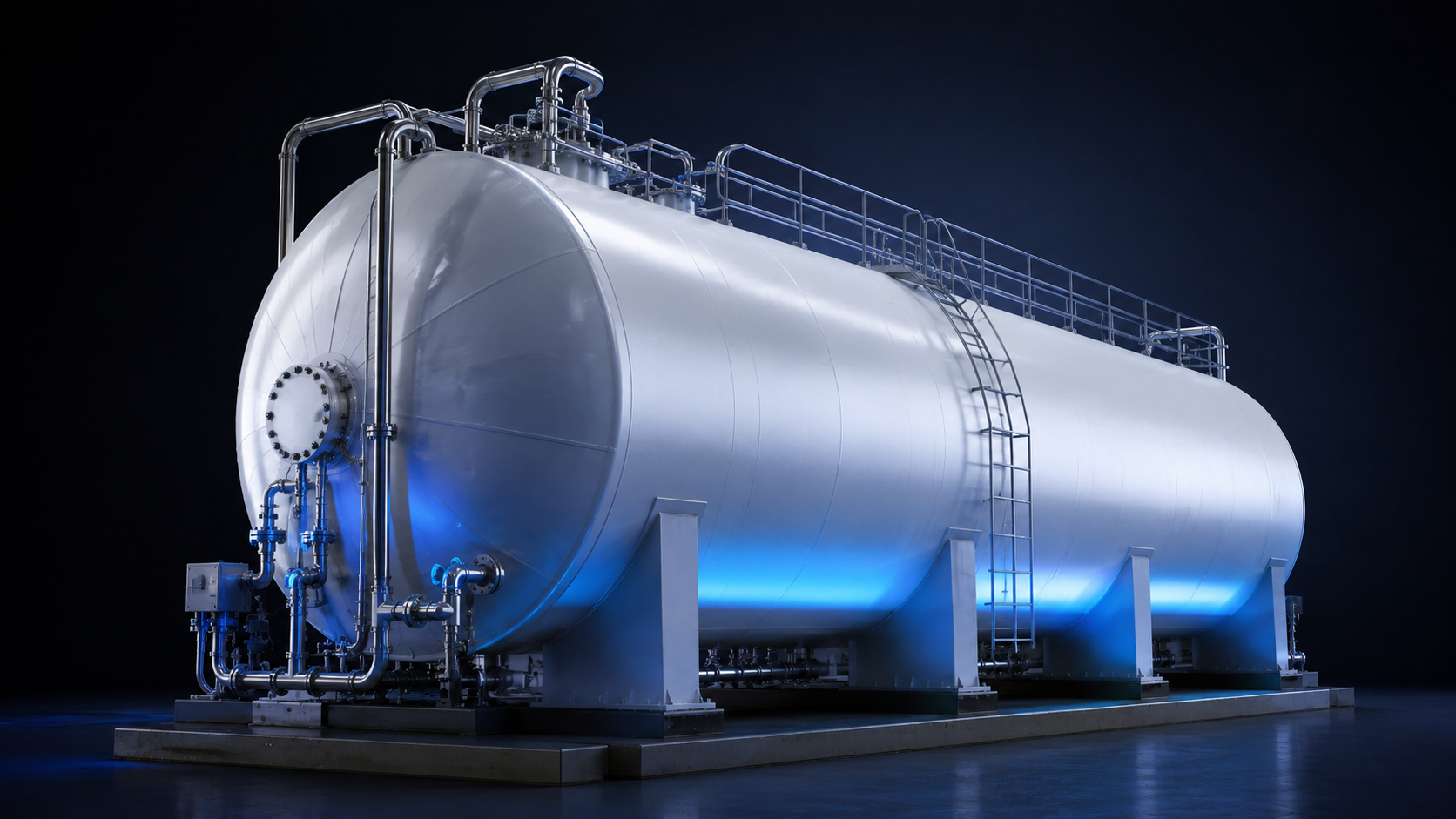
Transportation remains an important factor in the blue ammonia market. Export terminals, refrigerated storage and shipping capacity all influence delivered costs.
Many producers already possess export infrastructure built around conventional ammonia. This existing network supports faster commercialization of blue ammonia compared with completely new supply chains designed exclusively for green projects.
Importers should also monitor:
Shipping availability.
Carbon reporting requirements.
Regional emissions regulations.
Storage compatibility.
Contract flexibility.
These factors may affect procurement decisions as much as production technology itself.
Looking Ahead for Procurement Teams
The market no longer presents blue and green ammonia as competing destinations. Instead, they increasingly represent different stages of the industry's decarbonization journey.
Green ammonia continues to define the long-term direction for many producers, but blue ammonia currently offers a commercially practical route that aligns lower emissions with established industrial infrastructure. Procurement managers who understand these evolving strategies will be better positioned to secure reliable supply while supporting corporate sustainability objectives.
Explore competitive offers on our platform today.
Ammonium Sulphate - China
Found this useful?