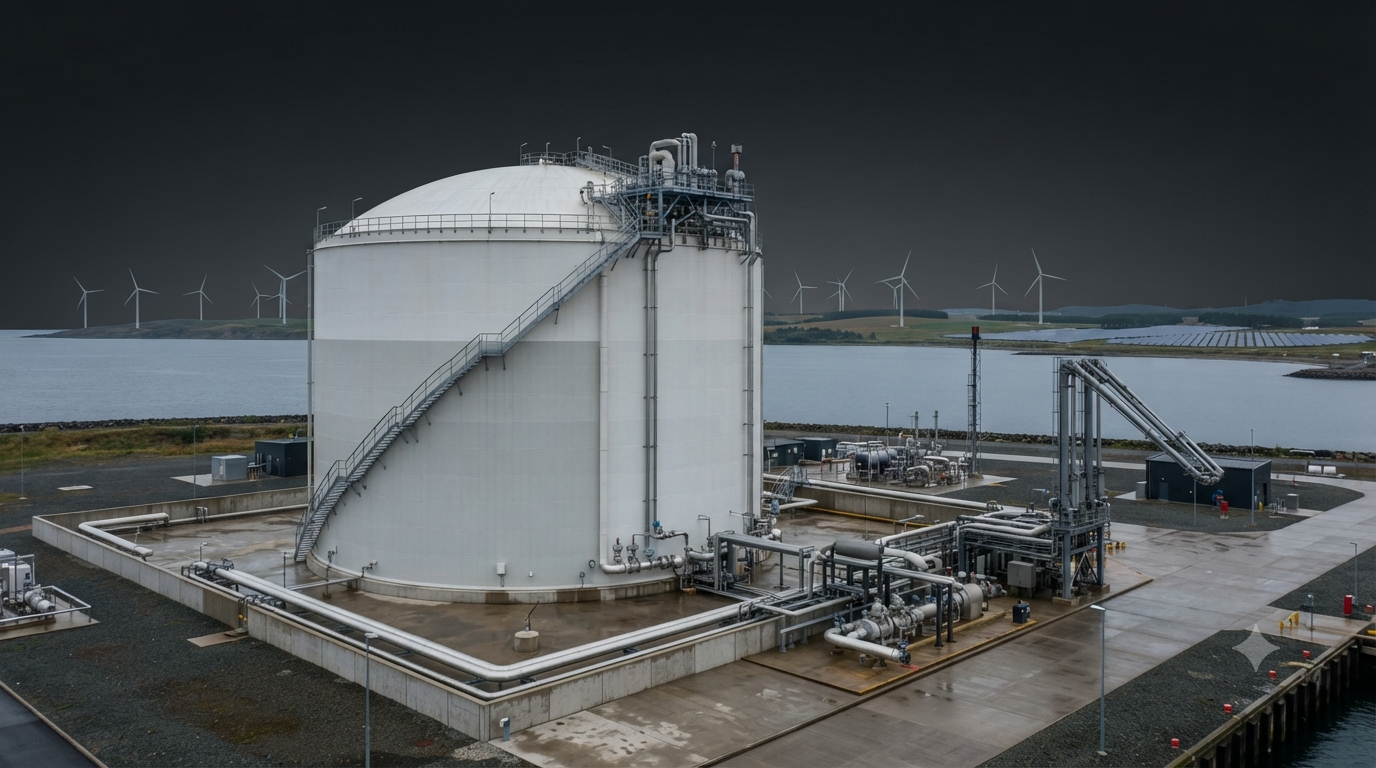
Braskem Biobased Ethylene Faces Sustainability Scrutiny Under New Ownership
Braskem's biobased ethylene business has long differentiated itself through renewable feedstocks and sustainability-focused polyethylene production. Under new IG4 Capital ownership, however, the company's environmental commitments face renewed attention as buyers and industry participants assess whether investment will continue at the required level.
For chemical traders, procurement managers, importers and exporters, the issue extends beyond corporate ownership. Changes in investment priorities can influence production capacity, feedstock procurement, product availability and the long-term positioning of bio-based polymers.
The market is therefore watching how Braskem balances financial priorities with its sustainability commitments. For buyers seeking lower-impact polymer solutions, continuity of supply and confidence in the underlying environmental strategy will remain important purchasing considerations.
Why Braskem's Biobased Ethylene Business Matters
Braskem's biobased chemistry platform has established a distinctive position in the polymer market by using renewable feedstock to produce ethylene for polyethylene applications. Its approach gives customers an alternative to conventional fossil-based feedstock while supporting sustainability-focused product strategies.
The commercial significance goes beyond the polymer itself. Brand owners increasingly consider raw material origin when evaluating packaging and other plastic products, making renewable feedstock an important factor in supplier selection.
For chemical buyers, this creates two separate procurement questions. The first concerns whether the material remains available at competitive commercial terms, while the second concerns whether the supplier can maintain the sustainability attributes that justify purchasing a bio-based grade.
New Ownership Puts Sustainability Investment in Focus
IG4 Capital's ownership introduces a new strategic chapter for Braskem's operations. The key market question involves how the new ownership structure will balance financial performance with continued investment in environmental initiatives and the company's biobased chemistry credentials.
Sustainability-focused assets often require long-term investment. Feedstock infrastructure, production technology, certification systems and supply chain traceability all require resources to maintain and develop.
Buyers will therefore watch investment decisions as closely as production volumes. A company can retain a sustainability-oriented product line while changing the pace of capacity expansion, technology investment or environmental programs.
That distinction matters to procurement teams that build long-term sourcing strategies around renewable materials.
Biobased Feedstock Creates a Distinct Procurement Proposition
Conventional ethylene production relies primarily on fossil-derived feedstocks, while biobased ethylene can originate from renewable agricultural resources. This difference can create a lower-fossil-feedstock alternative for polyethylene manufacturers and downstream users.
The value proposition depends on more than feedstock origin. Buyers may also evaluate traceability, certification, production consistency, lifecycle considerations and the ability to document sustainability attributes across the supply chain.
For procurement professionals, important questions include:
Feedstock continuity: Can the producer maintain reliable access to renewable raw materials?
Product consistency: Does the bio-based polymer maintain the performance required for the intended application?
Traceability: Can suppliers provide appropriate documentation regarding material origin?
Commercial stability: Can buyers secure predictable pricing and availability over longer contracts?
Sustainability investment: Will the producer continue funding the infrastructure behind the bio-based platform?
These factors can determine whether a sustainability-led product remains commercially attractive at scale.
What Sustainability Scrutiny Means for Chemical Traders
Chemical traders operate between producers and industrial buyers, making them particularly sensitive to changes in product positioning. If a major producer adjusts investment in biobased chemistry, traders may need to reassess availability, lead times and customer demand.
The impact could appear gradually rather than through an immediate disruption. Changes in capital spending, production planning or product development can influence market conditions over several purchasing cycles.
Traders should monitor:
Production and capacity announcements linked to renewable polymers.
Changes in customer demand for bio-based polyethylene.
Sustainability certification and traceability requirements.
Feedstock availability and pricing.
Shifts in regional sourcing preferences.
A trader that understands these signals can help customers manage both supply continuity and sustainability requirements.
Why Renewable Feedstock Supply Matters
The performance of a biobased ethylene business depends partly on the reliability of its renewable feedstock network. Agricultural inputs can face their own supply risks, including weather conditions, harvest variability, logistics constraints and changes in competing demand.
This gives bio-based polymers a different supply chain profile from conventional petrochemical products. Buyers need to understand not only polymer production but also the upstream factors that support renewable feedstock availability.
Feedstock diversification can become a strategic advantage. A robust supply network can reduce exposure to localized agricultural or logistical disruptions and help support consistent production.
For importers and exporters, the geographic origin of both feedstock and finished polymer can also influence logistics planning, documentation and customer requirements.
Sustainability Claims Need Commercial Substance
Environmental positioning has become an increasingly important part of polymer procurement. However, industrial buyers need sustainability claims that connect to measurable supply chain attributes rather than relying solely on marketing language.
Procurement teams may evaluate whether renewable content can be documented, whether traceability systems remain robust and whether relevant certifications continue to support customer requirements.
Potential Effects on Bio-Based Polyethylene Demand
Demand for renewable polymers can come from multiple downstream sectors. Packaging companies, consumer goods manufacturers and brands with sustainability targets may seek materials that help reduce dependence on fossil-based feedstocks.
That demand creates an opportunity for bio-based polyethylene, but commercial growth still depends on cost competitiveness and reliable availability. If renewable materials command a substantial premium, buyers may limit their use to applications where sustainability benefits justify the additional expense.
Procurement teams therefore need to assess the total commercial proposition rather than focusing on sustainability credentials alone. Long-term contracts, volume commitments and supplier diversification can help buyers manage the economics of renewable polymers.
Chemical traders can also support customers by explaining the differences between conventional and bio-based material options without overstating environmental benefits.
Ownership Changes Could Influence Investment Priorities
A change in ownership can affect how companies allocate capital across different business lines. For Braskem's biobased ethylene operation, continued investment will remain an important indicator of management's commitment to its sustainability-differentiated position.
Several areas deserve attention:
Capacity: Future production investments could determine whether supply can keep pace with growing demand.
Technology: Process improvements can influence efficiency, product quality and the commercial competitiveness of renewable feedstock.
Supply chain infrastructure: Reliable feedstock and logistics networks are essential for consistent production.
Environmental programs: Continued investment can reinforce the credibility of sustainability-focused products.
The direction of these areas will help chemical buyers understand whether the bio-based business is positioned for expansion or a more cautious operating strategy.
How Procurement Teams Can Prepare
Buyers do not need to wait for major strategic changes before strengthening their sourcing plans. A disciplined procurement approach can protect supply while allowing companies to continue pursuing renewable material targets.
Teams should consider:
Maintaining qualified alternatives for critical polyethylene requirements.
Reviewing the sustainability documentation required by downstream customers.
Comparing renewable and conventional material economics on a total-cost basis.
Monitoring supplier investment and capacity plans.
Building longer-term relationships with suppliers that can demonstrate consistent traceability.
This approach provides flexibility without abandoning sustainability objectives.
For importers and exporters, documentation should receive particular attention. Customers may require evidence covering product specifications, origin, certifications and shipment traceability before approving material for specific applications.
The Outlook for Biobased Polymers in 2027
The Braskem situation highlights a broader challenge facing sustainable chemistry. Companies must demonstrate that environmental differentiation can coexist with commercial discipline, dependable manufacturing and long-term investment.
New ownership can change the strategic priorities of a business, but the underlying market demand for lower-fossil-feedstock materials remains relevant to many industrial buyers. The critical issue will be whether producers continue investing enough to make these products reliable and commercially scalable.
For chemical traders, the opportunity lies in staying close to both sides of the market. Understanding producer strategy can reveal supply changes, while monitoring buyer sustainability targets can identify emerging demand.
The Bottom Line for Polymer Buyers
Braskem's biobased ethylene business now faces closer scrutiny over whether its sustainability-focused strategy will continue to receive the investment needed under IG4 Capital ownership. For buyers, the issue is not simply corporate ownership. It is whether renewable feedstock access, production capacity, traceability and sustainability credentials remain strong enough to support long-term procurement decisions.
Chemical buyers should monitor capacity plans, supply continuity and sustainability documentation while maintaining appropriate sourcing flexibility. Traders that can connect reliable polymer supply with transparent sustainability information will be better positioned as industrial customers refine their renewable-material strategies.
The developments around Braskem also point to a wider market trend: sustainability credentials increasingly influence chemical purchasing, but buyers still expect dependable quality, competitive economics and consistent delivery
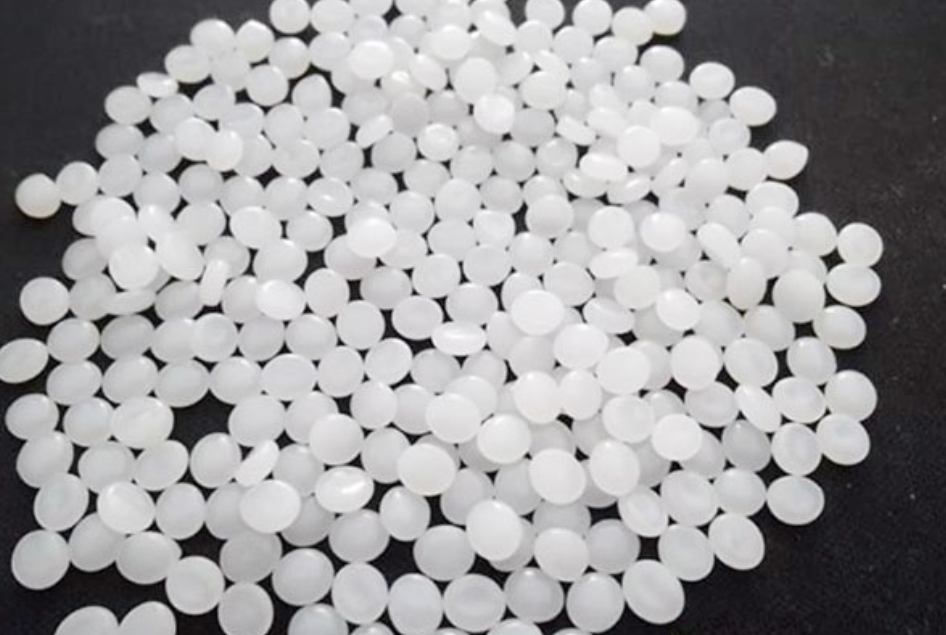
High Density Polyethylene (HDPE)
Found this useful?