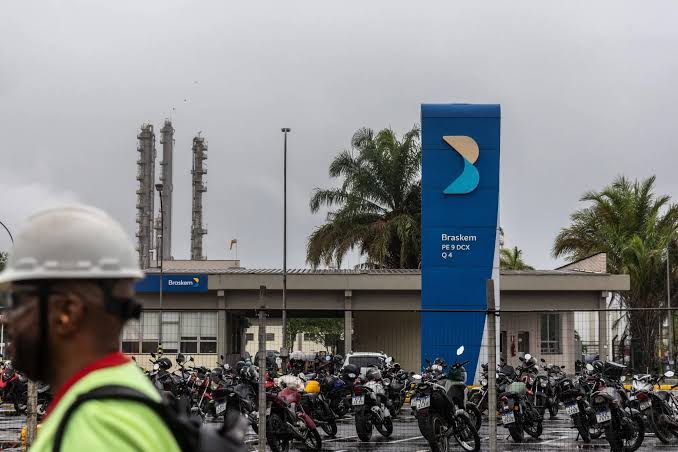
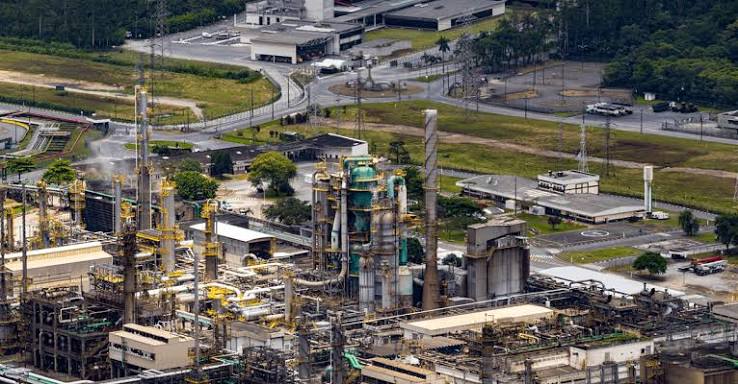
Braskem's transition from Novonor control to an IG4 Capital and Petrobras joint-control structure marks a major change for Latin America's largest petrochemical producer. On June 3, 2026, IG4's Shine Fund completed the acquisition of Novonor's controlling shares, giving it 50.11% of the common shares, while Petrobras remained a co-controller. Braskem says the new structure combines IG4's restructuring expertise with Petrobras' technical and industrial experience.
Customers Are Watching for Operational Continuity
For global customers, the immediate question is whether the ownership change will affect product availability, contracts or distribution relationships. So far, Braskem has indicated that its restructuring measures are focused on financial creditors and that ordinary-course obligations to suppliers and customers remain in force. This reduces the likelihood of an immediate disruption to commercial relationships, even as the company's ownership and leadership structure changes.
Financial Pressure Adds Supply-Chain Risk
The uncertainty is greater because the ownership transition is taking place alongside significant financial pressure. Braskem is seeking to restructure roughly $10.9 billion in debt, after prolonged weakness in global petrochemical margins and higher production costs compressed cash generation. The company has now entered an out-of-court restructuring process, making financial stabilization one of the new owners' most urgent priorities.
Petrobras Provides an Important Supply Link
Petrobras' continued involvement gives Braskem an additional layer of supply-chain support. In August 2026, Petrobras increased Braskem's credit limit for purchasing raw materials from R$350 million to R$2.35 billion, with the facility running through the end of 2026 subject to conditions. The move demonstrates how closely Braskem's petrochemical operations remain connected to its major shareholder and feedstock supplier.
Global Customers Face a Changing Petrochemical Landscape
Braskem's situation also reflects broader conditions affecting petrochemical supply chains. Excess global capacity, particularly from Asia, has pushed product prices lower while feedstock and financing costs remain challenging. For international buyers, the key issue is therefore not simply whether Braskem continues producing, but whether the company can maintain competitive costs, reliable volumes and stable commercial terms while restructuring its balance sheet.
The Intelligence Takeaway
Braskem's ownership transition does not currently signal an immediate disruption to customers, but it creates a period of strategic and financial uncertainty for global supply partners. IG4 and Petrobras must stabilize the company while preserving production and customer relationships. If the restructuring succeeds, Braskem could emerge as a stronger regional supplier; if financial pressure persists, customers may increasingly diversify sourcing toward alternative petrochemical producers.