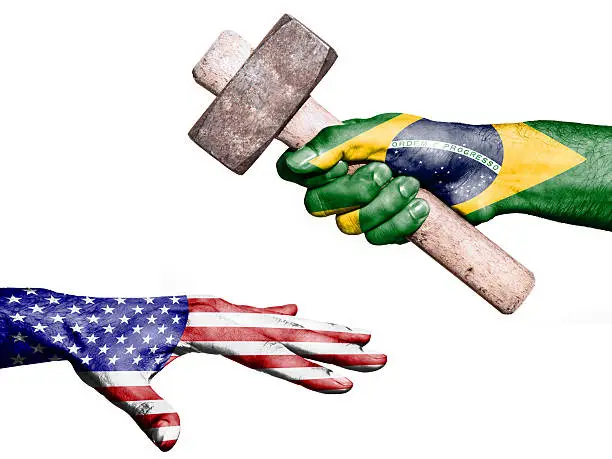
Brazil Holds Fire on Retaliation as US Tariffs Take Effect

Brazil Holds Fire on Retaliation as US Tariffs Take Effect
Introduction
As new U.S. tariffs officially take effect, Brazil has adopted a measured approach instead of responding with immediate retaliatory trade measures. While many trading partners have historically answered higher import duties with reciprocal tariffs, Brazilian policymakers are prioritizing dialogue, market stability, and long-term trade relations over short-term escalation.
For global commodity buyers, food manufacturers, and chemical procurement teams, Brazil's restrained response offers a degree of certainty at a time when international trade remains influenced by geopolitical tensions and shifting tariff policies. The coming weeks will determine whether negotiations can ease trade pressures or whether additional policy actions become necessary.
US Tariffs Reshape Trade Dynamics
The implementation of new U.S. tariffs has introduced additional costs for selected imported goods, prompting exporters around the world to reassess pricing, supply chains, and market strategies.
For Brazilian exporters, the tariffs could reduce competitiveness in certain product categories by increasing the landed cost of goods entering the U.S. market. Industries most exposed include agricultural products, food ingredients, steel, metals, and selected manufactured goods.
Rather than responding immediately with matching tariffs, Brazil is evaluating the broader economic impact while keeping diplomatic channels open.
Why Brazil Is Avoiding Immediate Retaliation
Brazil's decision reflects a strategic effort to protect trade relationships and minimize disruption for exporters and domestic industries.
Several factors are influencing this approach:
Preserving long-term trade ties with the United States.
Avoiding additional costs for Brazilian importers and manufacturers.
Supporting export competitiveness through negotiation rather than escalation.
Providing businesses with greater market stability during a period of global uncertainty.
Allowing time for diplomatic discussions before implementing countermeasures.
By delaying retaliation, Brazil is signaling its preference for negotiated solutions over expanding trade disputes.
Impact on Food Ingredient Supply Chains
Brazil is one of the world's leading suppliers of several key food ingredients and agricultural commodities. Any prolonged trade uncertainty between Brazil and the United States could influence global pricing and sourcing decisions.
Products that may experience indirect effects include:
Coffee
As one of the world's largest coffee exporters, Brazil closely monitors changes in international trade policies that could affect export volumes and pricing.
Sugar
Brazil's dominant position in global sugar exports means tariff-related shifts in trade flows can influence international market dynamics.
Soybeans and Soy Products
Soybeans, soybean meal, and soybean oil remain essential commodities for food manufacturing and animal nutrition, making them sensitive to changes in export demand.
Orange Juice
Brazil supplies a significant share of the global orange juice market, and changes in U.S. import costs could influence purchasing strategies.
Corn-Based Ingredients
Corn starches, sweeteners, and ethanol-related products may also experience changes in trade patterns depending on market demand.
What Procurement Teams Should Watch
Although Brazil has not announced immediate retaliatory measures, procurement professionals should continue monitoring developments closely.
Key indicators include:
Future negotiations between Brazil and the United States.
Any expansion or revision of tariff measures.
Changes in export volumes from Brazil.
Freight rate fluctuations resulting from shifting trade routes.
Commodity price movements across agricultural markets.
Currency exchange rate volatility affecting import costs.
Companies with diversified sourcing strategies will be better positioned to respond if trade conditions change later in the year.
Opportunities for Global Buyers
Periods of policy uncertainty can also create procurement opportunities.
Organizations should consider:
Reviewing supplier contracts for pricing flexibility.
Expanding supplier diversification across multiple regions.
Monitoring freight markets for cost-saving opportunities.
Locking in contracts when pricing becomes favorable.
Using real-time market intelligence to support sourcing decisions.
Businesses that remain proactive rather than reactive can reduce procurement risk while maintaining supply continuity.
Looking Ahead
Brazil's decision to avoid immediate retaliation reflects a cautious and strategic trade policy aimed at preserving economic stability while leaving room for diplomatic negotiations. Although uncertainty remains, the current approach reduces the likelihood of an immediate escalation that could disrupt global supply chains.
For procurement teams, exporters, and food ingredient buyers, the priority should be continuous monitoring of tariff developments, freight conditions, and commodity markets. Organizations that combine market intelligence with diversified sourcing strategies will be better prepared to navigate evolving international trade conditions while controlling costs and maintaining reliable supply.

Acesulfame Potassium (E950)
Found this useful?