Brazil's Chemical Sector Braces for Strategic Shifts Under New Braskem Ownership
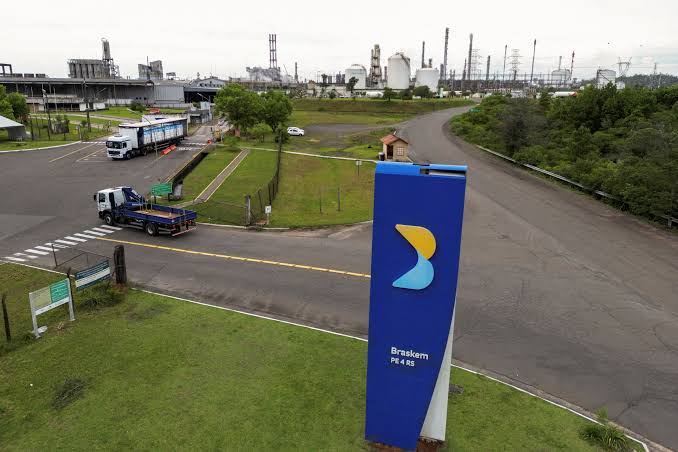
Brazil's chemical sector is entering an important period of change following IG4 Capital's takeover of control at Braskem, the country's largest petrochemical producer. IG4's Shine fund now holds 50.1% of Braskem's voting shares, while Petrobras remains a major shareholder with about 47%. The new ownership structure brings IG4's restructuring expertise together with Petrobras' technical and industrial experience, potentially changing how Braskem approaches its next stage of development.
Why Braskem Matters Beyond Its Own Business
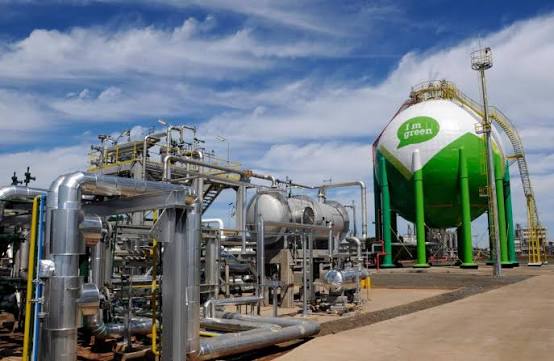
Braskem occupies a central position in Brazil's chemical and petrochemical value chain, supplying important materials to downstream manufacturers. Its performance therefore has implications for plastics, resins and other chemical-dependent industries across the country. The company's new management has emphasized preserving Braskem's strategic relevance to Brazil's chemical industry while improving its competitiveness and financial position.
Financial Pressure Could Drive Strategic Changes
The ownership transition comes at a difficult time. Braskem is dealing with roughly $10.9 billion in debt and has now entered an extrajudicial restructuring process to negotiate its financial obligations with creditors. The company has also faced weak global petrochemical conditions and pressure from lower-cost international producers. These challenges could force the new owners to prioritize efficiency, asset optimization and capital discipline.
Petrobras' Continued Role Adds Another Dimension
Petrobras' continued involvement could influence the direction of Braskem's turnaround. The state-controlled company remains a major shareholder and raw-material supplier, and in August it increased Braskem's available credit limit for purchasing Petrobras-supplied feedstock from R$350 million to R$2.35 billion. This relationship gives Braskem additional supply-chain support while highlighting Petrobras' strategic importance to Brazil's petrochemical industry.
What Could Change Across the Sector
If IG4's restructuring approach succeeds, Braskem could become a benchmark for how Brazil's chemical industry responds to global overcapacity and intense international competition. The company may need to improve production efficiency, reconsider its asset portfolio and strengthen its access to competitive feedstocks. Such changes could eventually influence suppliers, downstream manufacturers and other Brazilian chemical producers competing against lower-cost imports.
The Intelligence Takeaway
Braskem's ownership change should be viewed as more than a shareholder transaction. It comes at a moment when Brazil's chemical industry is confronting global oversupply, weaker margins, expensive feedstocks and financial pressure. IG4's restructuring expertise and Petrobras' industrial position create a potentially powerful combination, but the immediate priority remains stabilizing Braskem's balance sheet. How successfully the new owners manage that challenge could shape the direction of Brazil's broader petrochemical sector.

Ammonium Chloride
Found this useful?