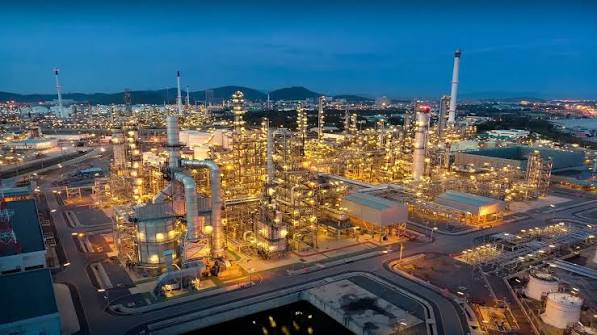
Brazil's Chemical Sector Pushes Back Hard Against Washington's Tariff Logic
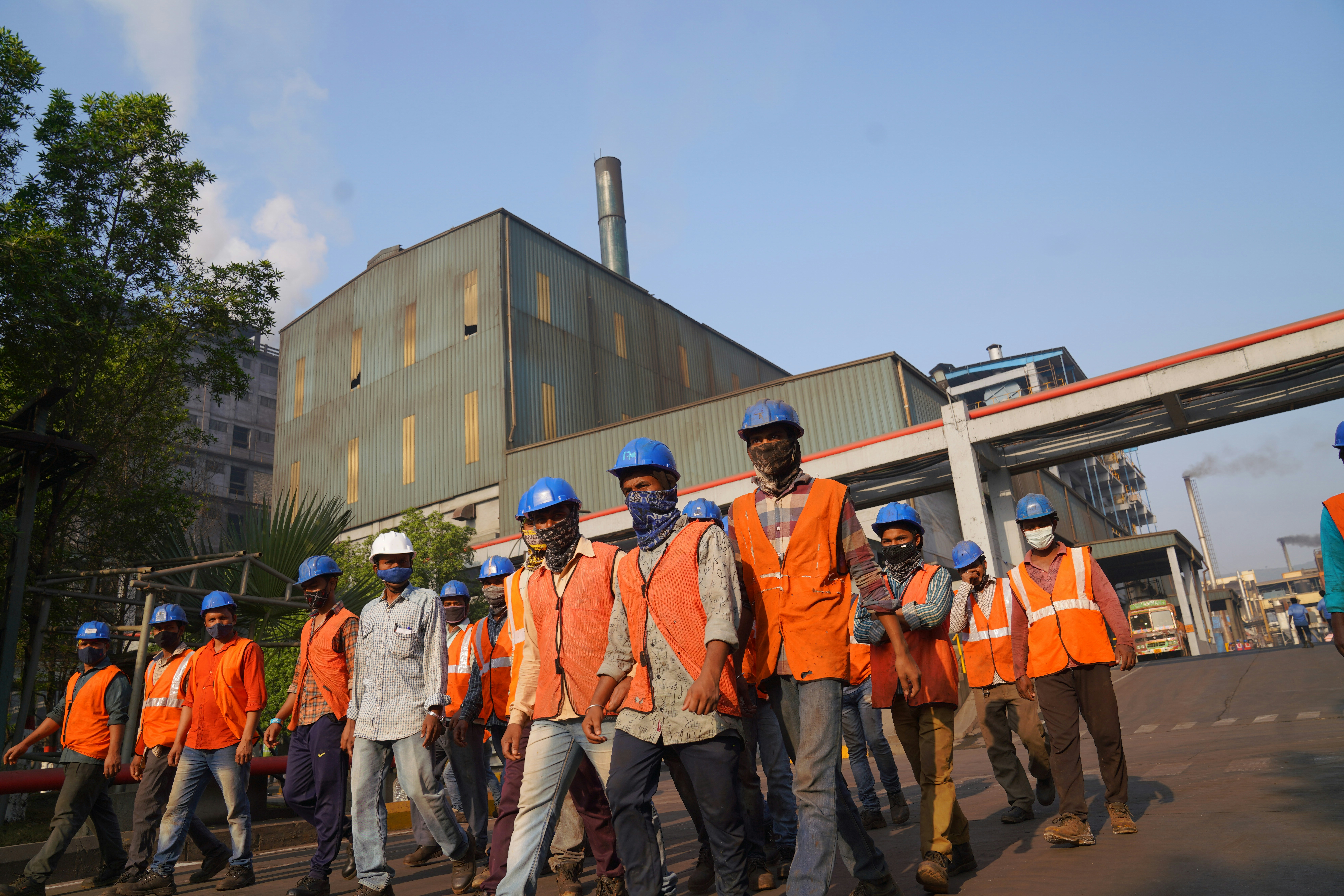
Brazil's Chemical Sector Pushes Back Hard Against Washington's Tariff Logic
Introduction
Brazil's chemical industry is voicing strong opposition to the latest U.S. tariff measures, arguing that higher import duties distort trade, increase manufacturing costs, and weaken supply chain efficiency. Industry leaders contend that tariffs create unnecessary barriers for businesses that depend on cross-border trade in raw materials, intermediates, and finished chemical products.
As one of Latin America's largest chemical producers and exporters, Brazil plays a critical role in supplying petrochemicals, fertilizers, industrial chemicals, resins, and specialty materials to global markets. The growing disagreement over tariff policy highlights broader concerns about the future of international trade and its impact on procurement, investment, and industrial competitiveness.
Why Brazil's Chemical Industry Is Challenging the Tariffs
Brazilian chemical manufacturers argue that tariffs do not only affect exporters—they also increase costs for downstream industries that rely on imported chemical inputs.
The industry's primary concerns include:
Reduced competitiveness in international markets.
Higher costs for manufacturers and industrial buyers.
Disruptions to integrated global supply chains.
Lower export opportunities for Brazilian producers.
Increased uncertainty for long-term investment decisions.
Industry associations believe that open and predictable trade policies are essential for maintaining sustainable industrial growth.
How Tariffs Affect Global Chemical Supply Chains
Chemical manufacturing depends on highly interconnected international supply chains. Many products are manufactured using raw materials sourced from multiple countries before reaching end users.
Tariffs can influence supply chains by:
Increasing the landed cost of imported chemicals.
Raising production expenses for manufacturers.
Encouraging companies to seek alternative suppliers.
Delaying procurement decisions due to pricing uncertainty.
Shifting global trade flows toward lower-cost markets.
Even when tariffs target a limited group of products, their effects can extend throughout the broader manufacturing ecosystem.
Industries That Could Feel the Impact
Several sectors rely heavily on stable chemical supplies and may experience indirect effects if trade tensions continue.
Petrochemicals
Changes in import costs can influence pricing for basic petrochemical feedstocks used across manufacturing industries.
Agriculture
Fertilizers and crop protection chemicals are essential inputs for agricultural production, making pricing stability particularly important.
Plastics and Packaging
Manufacturers producing packaging materials, polymers, and industrial plastics may experience higher raw material costs.
Automotive Manufacturing
Automotive production depends on coatings, adhesives, engineering plastics, and specialty chemicals sourced through global supply chains.
Consumer Goods
Personal care products, household cleaners, paints, and construction materials all rely on chemical ingredients that may become more expensive if trade barriers expand.
Procurement Strategies During Trade Uncertainty
Procurement professionals should prepare for continued volatility while maintaining supply continuity.
Recommended actions include:
Diversify Supplier Networks
Reduce dependence on a single sourcing region by qualifying suppliers across multiple countries.
Focus on Total Landed Cost
Evaluate freight, duties, insurance, inventory, and logistics expenses alongside product pricing.
Monitor Trade Policy Developments
Stay informed about tariff announcements, regulatory changes, and bilateral trade negotiations that may influence sourcing decisions.
Strengthen Supplier Relationships
Long-term partnerships with reliable suppliers can improve flexibility during periods of market uncertainty.
Increase Market Intelligence
Use real-time data to monitor pricing trends, freight costs, and supply chain risks before making procurement decisions.
Opportunities Emerging from Market Shifts
Although tariffs create challenges, they also encourage businesses to strengthen procurement strategies.
Companies may benefit by:
Expanding sourcing into emerging manufacturing markets.
Negotiating more flexible supply agreements.
Investing in digital procurement and supplier management tools.
Improving supply chain resilience through geographic diversification.
Building stronger risk management frameworks.
Organizations that respond proactively can reduce operational disruption while improving long-term competitiveness.
Looking Ahead
The debate between Brazil's chemical industry and U.S. trade policy reflects broader changes occurring across the global manufacturing landscape. While tariff measures are intended to support domestic industries, they also create new challenges for international suppliers and industrial buyers.
Future developments will depend on trade negotiations, government policy decisions, and the ability of businesses to adapt their sourcing strategies. Companies that prioritize supplier diversification, market intelligence, and comprehensive risk management will be best positioned to navigate an increasingly complex global trade environment.
Conclusion
Brazil's chemical sector's strong response to Washington's tariff strategy highlights the growing importance of stable and predictable international trade for modern manufacturing. As supply chains become more interconnected, tariff policies have far-reaching effects beyond individual countries or industries.
For procurement leaders, the key takeaway is clear: resilience comes from diversified sourcing, careful cost analysis, and continuous monitoring of global trade developments. Businesses that adapt quickly to changing market conditions will be better equipped to maintain supply continuity and remain competitive in an evolving chemical industry.
2-Ethylhexyl Acrylate
Brazil's Chemical Sector Pushes Back Hard Against Washington's Tariff Logic
Introduction
Brazil's chemical industry is voicing strong opposition to the latest U.S. tariff measures, arguing that higher import duties distort trade, increase manufacturing costs, and weaken supply chain efficiency. Industry leaders contend that tariffs create unnecessary barriers for businesses that depend on cross-border trade in raw materials, intermediates, and finished chemical products.
As one of Latin America's largest chemical producers and exporters, Brazil plays a critical role in supplying petrochemicals, fertilizers, industrial chemicals, resins, and specialty materials to global markets. The growing disagreement over tariff policy highlights broader concerns about the future of international trade and its impact on procurement, investment, and industrial competitiveness.
Why Brazil's Chemical Industry Is Challenging the Tariffs
Brazilian chemical manufacturers argue that tariffs do not only affect exporters—they also increase costs for downstream industries that rely on imported chemical inputs.
The industry's primary concerns include:
Reduced competitiveness in international markets.
Higher costs for manufacturers and industrial buyers.
Disruptions to integrated global supply chains.
Lower export opportunities for Brazilian producers.
Increased uncertainty for long-term investment decisions.
Industry associations believe that open and predictable trade policies are essential for maintaining sustainable industrial growth.
How Tariffs Affect Global Chemical Supply Chains
Chemical manufacturing depends on highly interconnected international supply chains. Many products are manufactured using raw materials sourced from multiple countries before reaching end users.
Tariffs can influence supply chains by:
Increasing the landed cost of imported chemicals.
Raising production expenses for manufacturers.
Encouraging companies to seek alternative suppliers.
Delaying procurement decisions due to pricing uncertainty.
Shifting global trade flows toward lower-cost markets.
Even when tariffs target a limited group of products, their effects can extend throughout the broader manufacturing ecosystem.
Industries That Could Feel the Impact
Several sectors rely heavily on stable chemical supplies and may experience indirect effects if trade tensions continue.
Petrochemicals
Changes in import costs can influence pricing for basic petrochemical feedstocks used across manufacturing industries.
Agriculture
Fertilizers and crop protection chemicals are essential inputs for agricultural production, making pricing stability particularly important.
Plastics and Packaging
Manufacturers producing packaging materials, polymers, and industrial plastics may experience higher raw material costs.
Automotive Manufacturing
Automotive production depends on coatings, adhesives, engineering plastics, and specialty chemicals sourced through global supply chains.
Consumer Goods
Personal care products, household cleaners, paints, and construction materials all rely on chemical ingredients that may become more expensive if trade barriers expand.
Procurement Strategies During Trade Uncertainty
Procurement professionals should prepare for continued volatility while maintaining supply continuity.
Recommended actions include:
Diversify Supplier Networks
Reduce dependence on a single sourcing region by qualifying suppliers across multiple countries.
Focus on Total Landed Cost
Evaluate freight, duties, insurance, inventory, and logistics expenses alongside product pricing.
Monitor Trade Policy Developments
Stay informed about tariff announcements, regulatory changes, and bilateral trade negotiations that may influence sourcing decisions.
Strengthen Supplier Relationships
Long-term partnerships with reliable suppliers can improve flexibility during periods of market uncertainty.
Increase Market Intelligence
Use real-time data to monitor pricing trends, freight costs, and supply chain risks before making procurement decisions.
Opportunities Emerging from Market Shifts
Although tariffs create challenges, they also encourage businesses to strengthen procurement strategies.
Companies may benefit by:
Expanding sourcing into emerging manufacturing markets.
Negotiating more flexible supply agreements.
Investing in digital procurement and supplier management tools.
Improving supply chain resilience through geographic diversification.
Building stronger risk management frameworks.
Organizations that respond proactively can reduce operational disruption while improving long-term competitiveness.
Looking Ahead
The debate between Brazil's chemical industry and U.S. trade policy reflects broader changes occurring across the global manufacturing landscape. While tariff measures are intended to support domestic industries, they also create new challenges for international suppliers and industrial buyers.
Future developments will depend on trade negotiations, government policy decisions, and the ability of businesses to adapt their sourcing strategies. Companies that prioritize supplier diversification, market intelligence, and comprehensive risk management will be best positioned to navigate an increasingly complex global trade environment.
Conclusion
Brazil's chemical sector's strong response to Washington's tariff strategy highlights the growing importance of stable and predictable international trade for modern manufacturing. As supply chains become more interconnected, tariff policies have far-reaching effects beyond individual countries or industries.
For procurement leaders, the key takeaway is clear: resilience comes from diversified sourcing, careful cost analysis, and continuous monitoring of global trade developments. Businesses that adapt quickly to changing market conditions will be better equipped to maintain supply continuity and remain competitive in an evolving chemical industry.
Found this useful?