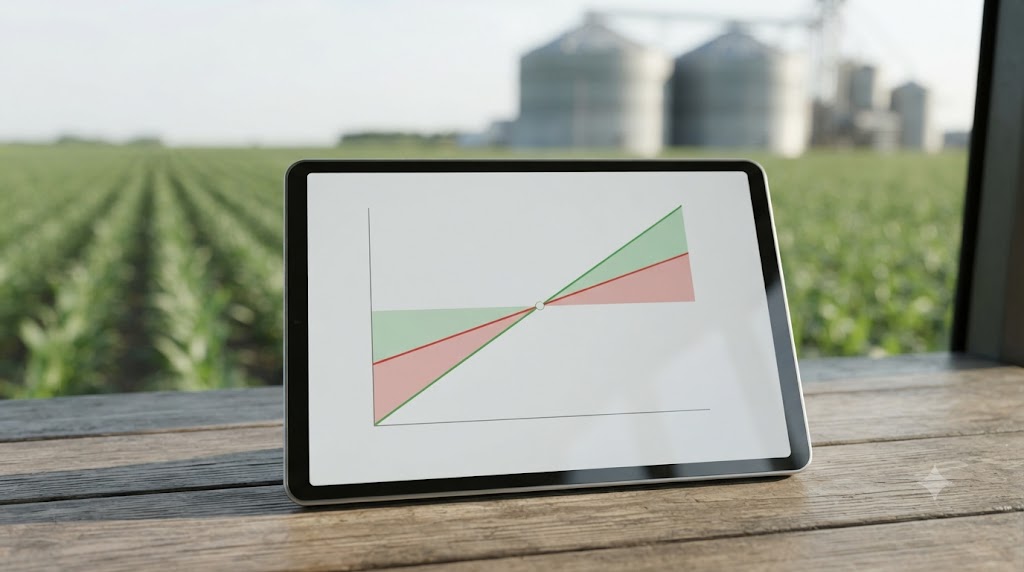
Break-even prices for corn and soybeans already sat close to or above current market prices earlier in 2026. This precarious financial position left agricultural producers with little room for error. Now, renewed volatility in fertilizer costs threatens to push many operations into negative territory. The wobble in input pricing comes at the worst possible time for farm budgets. Farmers who planned their seasons based on stable cost assumptions now face sudden expense increases. This dynamic squeezes profit margins to the breaking point. Procurement managers and agribusiness leaders must recognize the severity of this mathematical reality. Understanding the tightness of current break-even math is essential for strategic decision-making. Buyers cannot afford to ignore how small price changes impact overall farm viability.
The Fragility of Current Farm Economics
Agricultural economics rely on precise calculations of input costs versus expected revenue. When break-even points align closely with market prices, any deviation creates significant risk. Early 2026 data showed that many farmers were already operating on thin margins.
Expected yields and commodity prices provided just enough coverage for standard production costs. There was no buffer for unexpected expenses. The recent uptick in fertilizer prices disrupts this delicate balance. Even a modest increase in nutrient costs can push break-even levels above realistic selling prices.
This situation forces difficult operational choices. Farmers must decide whether to reduce input applications or accept potential losses. Both options carry long-term consequences for soil health and financial stability. The lack of financial slack makes every purchasing decision critical.
How Fertilizer Volatility Disrupts Budgets
Fertilizer represents one of the largest variable costs in crop production. Nitrogen, phosphate and potash prices directly influence total per-acre expenses. When these costs wobble, entire budget models become obsolete.
Recent geopolitical tensions have driven spot prices higher unexpectedly. Buyers who delayed purchases hoping for further declines now face higher entry points. This timing mismatch exacerbates financial pressure.
Nitrogen spikes: Natural gas-linked urea prices rise due to energy market volatility.
Phosphate tightness: Export restrictions limit supply and drive up DAP costs.
Potash fluctuations: Global trade shifts create unpredictable pricing patterns.
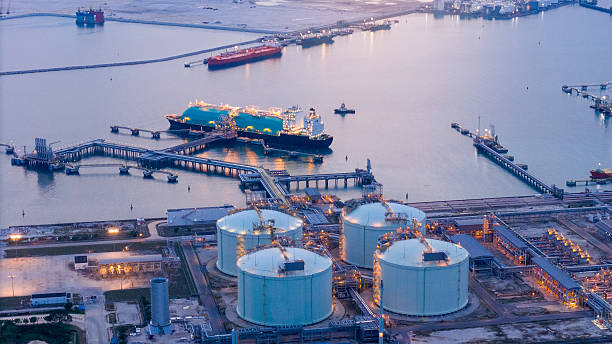
Freight inflation: Higher shipping costs add to the final landed price of nutrients.
These factors combine to inflate total input bills significantly. Farmers must find additional capital to cover these overruns. Access to credit may be limited due to already high debt levels. This liquidity crunch restricts operational flexibility during the growing season.
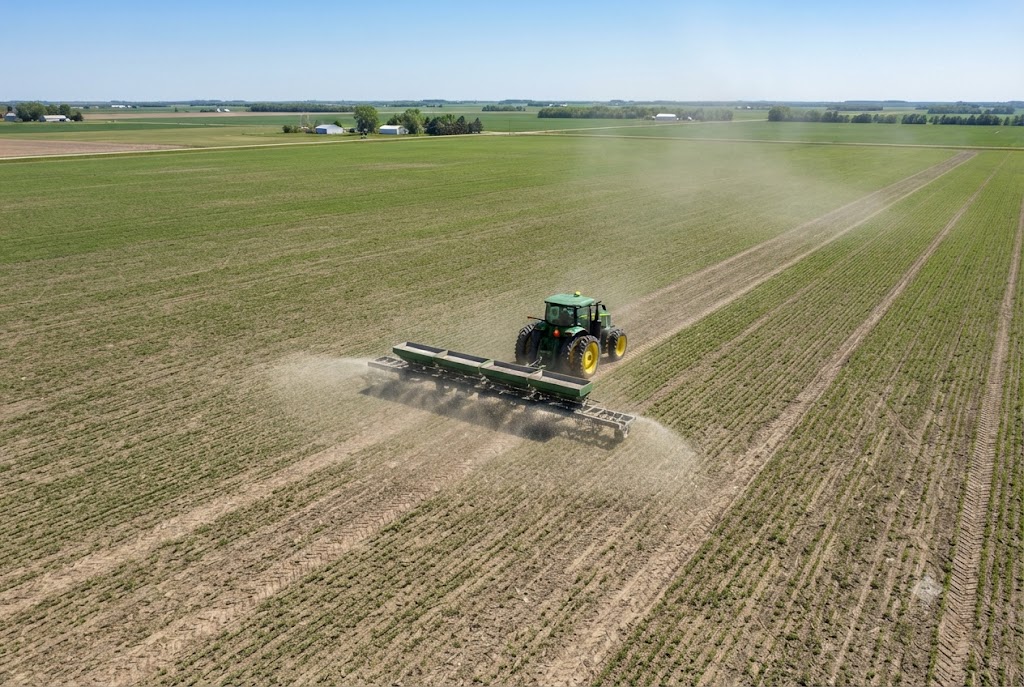
Facing tighter break-even math, farmers often reduce fertilizer application rates. They may skip secondary nutrients or lower nitrogen doses to save money. While this strategy reduces immediate cash outlays, it risks yield penalties.
Lower nutrient availability limits crop growth potential. Reduced yields mean less harvest volume to sell at market prices. This outcome can worsen financial performance rather than improve it. The short-term savings may lead to long-term revenue losses.
Agronomists warn against drastic cuts in essential nutrients. Maintaining soil fertility is crucial for future productivity. Farmers must find balanced approaches that protect both current margins and future capacity. Precision agriculture tools help optimize usage without compromising yields.
Strategic Financial Management for Farmers
Navigating this tight economic environment requires disciplined financial management. Farmers must revisit their break-even calculations regularly. Updating models with current input and commodity prices provides accurate real-time insights.
Scenario planning helps prepare for various market outcomes. Modeling best-case, worst-case and likely scenarios guides decision-making. This proactive approach reduces uncertainty and improves responsiveness.
Seeking alternative financing options can provide necessary liquidity. Government programs or cooperative lending may offer favorable terms. Exploring all available financial resources ensures operational continuity. Transparent communication with lenders builds trust and facilitates support.
Leveraging Technology for Cost Efficiency
Precision agriculture technologies offer ways to maintain yields while controlling costs. Variable rate application systems ensure nutrients are placed only where needed. This efficiency reduces waste and lowers total input requirements.
Soil testing provides data-driven insights for optimized fertilization. Knowing exact nutrient needs prevents over-application and saves money. Integrating technology into farm operations enhances overall economic resilience.
Remote sensing and drone monitoring detect crop stress early. Timely interventions prevent yield loss and maximize return on input investments. These tools help farmers do more with less in a constrained financial environment.
What Buyers Should Do Now
The tightening break-even math demands immediate attention from agricultural stakeholders. Farmers must secure necessary fertilizer volumes through reliable channels immediately. Delaying purchases exposes operations to further price volatility.
Engage suppliers in transparent discussions about pricing and availability. Verify logistical capabilities to ensure timely delivery. Diversify your sourcing base to mitigate regional supply shocks. Building resilience into your procurement strategy ensures operational continuity despite financial pressure.
Ready to source Urea (Granular) from verified global suppliers? Explore competitive offers on our platform today.