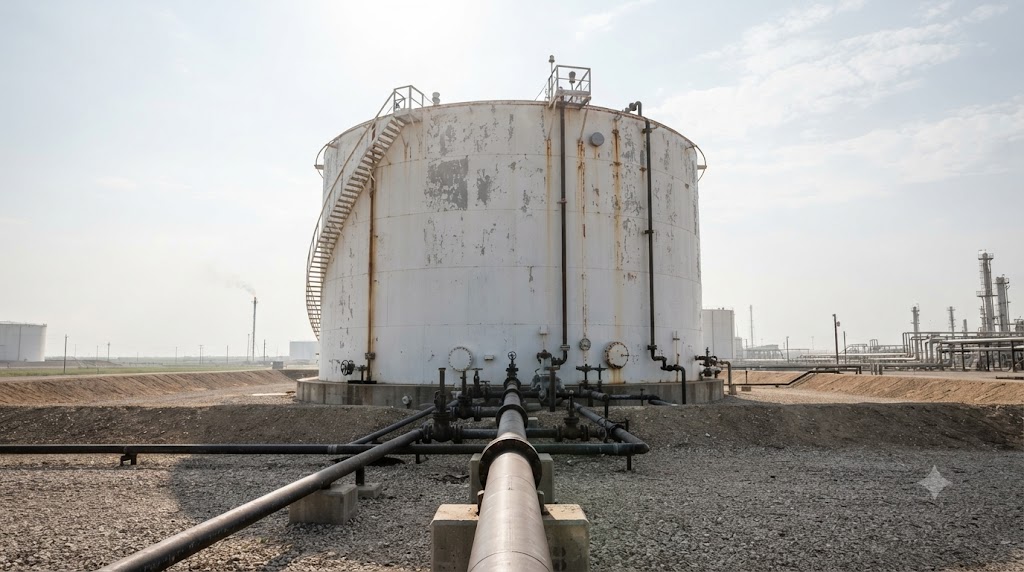
Brent Crude Surges Past $90: What the Hormuz Ceasefire Collapse Means for Chemical Procurement
Brent crude surpassed $90 a barrel on July 21, 2026, after Iran formally declared that its interim ceasefire with the United States had collapsed. The June 17 agreement that briefly restored a degree of normalcy to Strait of Hormuz shipping is now officially unwound. This event matters far beyond the oil trading desks. For chemical traders, procurement managers and importers, the price of Brent is the initial domino. It sets the cost curve for naphtha, which directly influences the entire petrochemical value chain. When Brent moves decisively above $90, it forces a fundamental reassessment of feedstock procurement strategies for the second half of 2026.
The market reaction was swift and sharp. Futures contracts for September delivery jumped nearly 4 percent in early Asian trading, with volumes surging past the 100-day average. This price movement is not merely a speculative spike. It reflects a genuine reassessment of geopolitical risk premiums that had been partially discounted during the two-month ceasefire period. The interim agreement that began on June 17 had allowed some Iranian oil tankers to resume scheduled shipments, albeit under close monitoring. That window has now closed.
The June 17 Agreement and Its Collapse
The temporary ceasefire was brokered through Omani intermediaries and was widely viewed as a confidence-building measure. It allowed for the resumption of limited Iranian crude exports and provided assurances regarding the safe passage of non-military vessels through the strait. For chemical markets, this translated into relatively stable freight rates and consistent delivery schedules for naphtha shipments heading to Asian crackers. The agreement was always fragile, with both sides maintaining their core objections. Iran insisted on the removal of all secondary sanctions, while the US demanded stricter enforcement of uranium enrichment caps.
The formal collapse came after Iran rejected what it called "unacceptable conditions" linked to a proposed extension. Tehran stated that the US had failed to deliver on its side of the June 17 commitments, particularly regarding the release of frozen assets. The US State Department responded by confirming that the ceasefire was no longer operational and that it would be "reviewing all options" to maintain regional stability. This diplomatic breakdown has immediate, tangible consequences for chemical procurement.
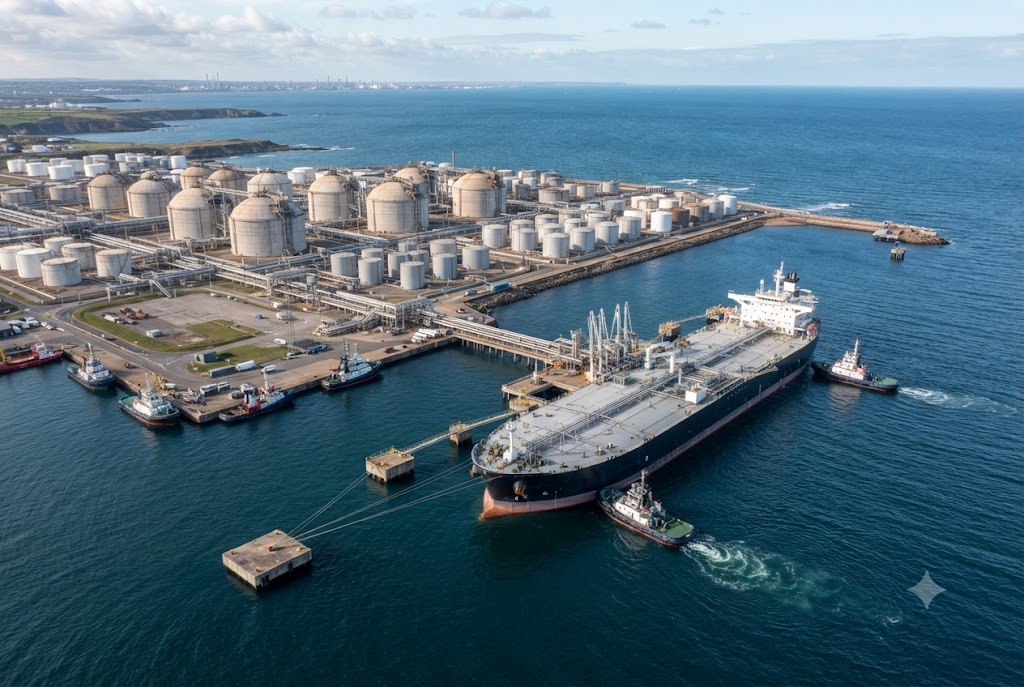
Why the Strait of Hormuz Matters for Chemical Feedstocks
The Strait of Hormuz is the world's most critical chokepoint for energy and chemical feedstocks. Approximately 17 million barrels of crude oil pass through the strait daily, accounting for nearly 30 percent of global seaborne oil trade. Beyond crude, the strait handles substantial volumes of naphtha, liquefied petroleum gas and methanol. Naphtha is the primary feedstock for ethylene production in Asia and Europe. Any significant disruption or even the credible threat of disruption drives up naphtha cracker margins in reverse, pushing ethylene and propylene prices higher.
During the June 17 ceasefire period, shipping through the strait had returned to near-normal levels, with insurance premiums for tankers dropping by as much as 25 percent. That relief is now evaporating. War risk insurance premiums for vessels calling at Persian Gulf ports have already started to climb again. This translates directly into higher delivered costs for chemical imports, particularly for buyers in India, China and Southeast Asia who rely heavily on Middle Eastern feedstock.
What $90 Brent Means for Chemical Input Costs
Brent trading above $90 is a critical threshold for the petrochemical industry. It signals that the cost of the fundamental building block for most plastics and synthetic materials has moved into a high-cost regime. The correlation between Brent and naphtha is strong and immediate. Naphtha prices typically move in a range of 80 to 85 percent of the Brent crude price on a per-metric-tonne basis.
Using the current Brent price of $90 per barrel, the implied naphtha cost settles in the range of $700 to $740 per metric tonne on a CFR (Cost and Freight) basis for Asian buyers. This is a significant jump from the $630 to $650 range observed during the ceasefire period. For a large-scale ethylene cracker with a capacity of 1 million tonnes per annum, this feedstock price increase translates to a potential $50 million to $70 million annualised cost impact if not hedged effectively.
Beyond naphtha, the price movement cascades into other chemical derivatives. Methanol, which is often produced from natural gas in the region, also faces upward pressure due to higher shipping costs and a general risk premium applied to all Gulf-origin cargoes. Aromatic solvents like benzene and toluene, used extensively in the paint, ink and coating industries, also show sensitivity to this crude price movement.
Key Price Drivers and Market Sentiment
Several factors are compounding the price surge beyond the geopolitical headline. OPEC+ production cuts remain firmly in place, with Saudi Arabia maintaining its voluntary reduction of 1 million barrels per day. Global refinery maintenance schedules are also tighter than expected for the third quarter, limiting the availability of refined products. The combination of a geopolitical risk premium and tight fundamentals has created a supply-side squeeze.
Market sentiment has also shifted decisively. The options market now shows elevated demand for put options at the $95 strike price, indicating traders are positioning for further upside. The backwardation in the Brent futures curve has steepened, suggesting that the market expects near-term supply tightness to persist. This is not a market that will correct quickly on its own.
Case Study: Impact on Oleochemical Feedstocks
The rise in crude prices has a differentiated impact on oleochemical feedstocks, which are derived from vegetable oils. While palm oil and coconut oil prices are not directly linked to Brent crude, the correlation emerges through freight costs, production economics for biodiesel and general inflationary pressures. Higher crude prices make biodiesel blends more competitive, diverting vegetable oils away from the food and chemical sectors.
For buyers of lauric acid, myristic acid and fatty alcohols, this is a critical consideration. The competition between fuel and chemical uses for these feedstocks intensifies when crude prices remain elevated. When biodiesel production margins improve, it typically results in tighter supply for the chemical industry. This creates a dual pressure: higher absolute feedstock prices and limited availability for spot requirements.
Supply Chain Risks and Sourcing Strategies
The immediate risk for procurement managers is the re-emergence of shipping delays and cancellation of scheduled sailings from the Persian Gulf. During periods of heightened tension, vessel operators often reroute ships around the Cape of Good Hope, adding up to 15 days to transit times and significantly increasing freight costs. This disrupts inventory planning and can force buyers to source from alternative markets.
Naphtha buyers in Asia should review their contract nomination schedules and consider building inventory buffers to cover potential shipment delays of 10 to 14 days.
Methanol importers need to reassess their reliance on Iranian-origin product and evaluate alternative sources from Turkmenistan, Russia or the Caribbean.
Solvent buyers should consider spot purchases ahead of the typical pre-monsoon inventory build to hedge against further price increases.
The volatility in freight costs is equally concerning. The Baltic Exchange Clean Tanker Index has shown a 12 percent week-on-week increase since the ceasefire announcement. This affects all bulk liquid chemical imports, including those that are not directly tied to crude oil prices. It is a broad-based logistics cost increase that procurement teams must factor into their total landed cost calculations.
What Buyers Should Do Now
This is not a moment for waiting to see if the price corrects. The geopolitical drivers are structural and will not resolve quickly. The collapse of the June 17 agreement effectively resets the baseline risk assessment for the region. Chemical buyers should take several practical steps.
First, review all existing supply contracts to identify force majeure clauses and price adjustment mechanisms. Many agreements reference the Platt's Asia Pacific naphtha quotation, which will now be moving higher. Understanding the contract mechanics for price resets is essential. Second, engage with freight forwarders to secure container and vessel capacity for the next 60 to 90 days.
Third, consider regional diversification. While the Middle East remains the most cost-effective source for many feedstocks, the risk-adjusted cost may now favor alternative origins such as the US Gulf or North Sea. Buyers should run scenario analyses comparing delivered costs from these different regions.
Finally, monitor the insurance market closely. War risk premiums for vessels calling at Bandar Abbas and other Iranian ports have already increased. This cost will be passed through to buyers. Negotiating longer-term freight agreements with fixed escalation clauses can help mitigate this specific volatility.
The Bottom Line for Procurement Teams
The break above $90 for Brent crude is a market signal with real teeth. It reflects the return of the geopolitical risk premium that many had hoped was permanently reduced after the June 17 ceasefire. For chemical buyers, the implications are clear: higher feedstock costs, higher freight costs and a more uncertain supply environment for the remainder of 2026.
Procurement teams should act decisively now. They should adjust their price forecasts, review their inventory positions and engage with suppliers to lock in volumes where possible. The market has priced in a sustained risk premium, and waiting for a correction is a high-risk strategy. The coming months will require active management of supply chains and a willingness to pivot quickly as conditions evolve.
Ready to source naphtha, methanol and other chemical feedstocks from verified global suppliers? Explore competitive offers on our platform today.

Refined Glycerine 99.5% Min
Found this useful?