
Calcium Propionate: Food Preservation and Industrial Applications
Calcium propionate is an important food preservative that helps manufacturers protect product quality, extend shelf life and reduce spoilage during storage and distribution. As food supply chains expand and production volumes increase, preservatives that support consistent quality have become essential for commercial food manufacturing.
Calcium propionate serves a particularly important role in bakery products, where moisture and storage conditions can encourage mold development. Beyond food preservation, manufacturers also evaluate its properties for specific industrial processing applications, making it relevant to buyers across multiple sectors.
What Is Calcium Propionate and How Does It Work?
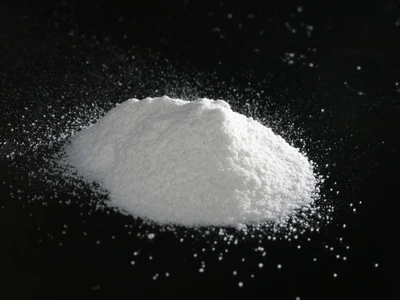
Calcium propionate is the calcium salt of propionic acid, commonly identified by the chemical formula Ca(C₃H₅O₂)₂. It typically appears as a white crystalline powder or granules and offers good handling characteristics for commercial applications.
In food manufacturing, calcium propionate acts primarily as an antimicrobial preservative. It helps inhibit the growth of molds and certain microorganisms that can cause spoilage, particularly in baked goods.
Its effectiveness depends on several factors:
Product formulation: The composition of the food influences preservative performance.
Moisture levels: Water activity can affect microbial growth and preservation requirements.
Storage conditions: Temperature, humidity and packaging influence shelf life.
Dosage and distribution: Manufacturers must ensure appropriate incorporation throughout the product.
Calcium propionate does not replace hygienic production, proper packaging or suitable storage. Instead, it complements these practices as part of an integrated food preservation strategy.
Major Applications in Food Preservation
The food industry represents one of the most established markets for calcium propionate. Manufacturers use it in products where mold control and consistent shelf life directly influence commercial performance.
Bakery Products
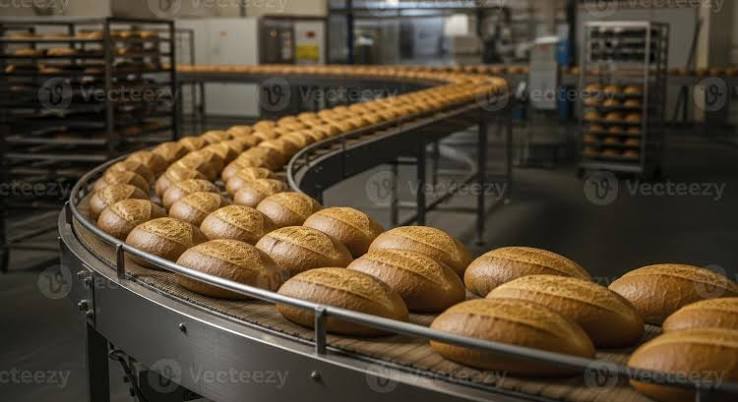
Bread, rolls, buns and other baked goods are among the leading applications for calcium propionate. These products can develop mold during storage, especially when manufacturers operate in warm or humid environments.
Calcium propionate helps reduce this risk while supporting the quality and freshness expected by retailers and consumers. Commercial bakeries value preservatives that can integrate into existing production processes without requiring major equipment changes.
Packaged and Processed Foods
Certain processed food formulations may also incorporate calcium propionate where regulations permit its use. Manufacturers assess its compatibility with product ingredients, processing conditions and required shelf life.
Potential applications include selected packaged food products and prepared formulations that need additional protection against spoilage.
Flour-Based Products
Some flour-based food manufacturers evaluate calcium propionate as part of their preservation systems. Its suitability depends on the final formulation, the intended application and relevant food regulations.
Calcium Propionate in Industrial Processing
Although food preservation remains its primary commercial application, calcium propionate also attracts interest in selected industrial processes that require calcium-based chemical compounds.
Chemical Manufacturing
Chemical manufacturers may evaluate calcium propionate as a raw material or intermediate in specific formulations. Its usefulness depends on the chemical properties required by the process and the compatibility of the compound with other materials.
Industrial buyers typically assess purity, consistency and supply reliability before incorporating it into production.
Pharmaceutical and Specialty Formulations
Certain pharmaceutical and specialty manufacturing processes may investigate calcium propionate for suitable formulation requirements. However, the grade must match the intended application, and buyers need to evaluate applicable quality specifications and regulatory standards.
Animal Feed Applications
Calcium propionate also has applications in animal nutrition and feed preservation, subject to the relevant regulatory requirements. Feed manufacturers may use propionate-based compounds to support preservation and product stability.
This segment creates additional procurement opportunities for suppliers serving food, feed and agricultural industries.
Key Benefits for Manufacturers and Buyers
Calcium propionate offers several operational and commercial benefits when manufacturers use it appropriately.
Improved shelf life: It helps reduce mold-related spoilage in susceptible food products.
Lower product losses: Effective preservation can reduce waste during storage and distribution.
Consistent product quality: Manufacturers can better maintain product condition throughout the intended shelf life.
Compatibility with commercial production: Food manufacturers can incorporate it into many existing formulations and production processes.
Supply chain support: Longer product usability can help manufacturers manage inventory and distribution more efficiently.
These benefits make calcium propionate relevant to manufacturers operating at scale, especially those supplying products through extended distribution networks.
Factors Influencing Calcium Propionate Demand
Demand for calcium propionate reflects developments across food production, consumer distribution and industrial manufacturing.
Growth in Packaged Food Production
Expansion in packaged bakery products and commercial food manufacturing creates demand for reliable preservation solutions. Large-scale manufacturers require consistent ingredient quality to maintain production schedules and finished-product standards.
Longer Distribution Networks
Food products increasingly move through regional warehouses, retailers and cross-border distribution channels. These supply chains require preservation systems that help maintain quality during transportation and storage.
Food Waste Reduction
Manufacturers face growing pressure to reduce avoidable spoilage and improve operational efficiency. Preservatives such as calcium propionate can contribute to these efforts when incorporated into appropriate food formulations.
Industrial Procurement Requirements
Buyers increasingly evaluate ingredients based on more than price. Consistent specifications, dependable availability, documentation and supplier reliability influence purchasing decisions.
Sourcing and Procurement Considerations
For chemical traders, importers and food ingredient buyers, calcium propionate procurement requires careful evaluation of product quality and supplier capabilities.
1. Check Product Specifications
Buyers should review the technical specification sheet and confirm relevant parameters, including:
Purity and assay
Appearance and physical form
Moisture content
Solubility characteristics
Packaging specifications
The selected grade should match the intended manufacturing application.
2. Confirm Regulatory Compliance
Food-grade calcium propionate must meet applicable food safety requirements in the destination market. Buyers should request appropriate documentation, including certificates of analysis and relevant compliance declarations.
Requirements may vary across countries and product categories. Importers should account for local regulations before placing commercial orders.
3. Evaluate Packaging and Storage
Calcium propionate suppliers should provide packaging suitable for protecting the material against moisture and contamination.
Buyers should also assess storage conditions, shelf life and packaging sizes based on their production volume and inventory capacity.
4. Compare Total Procurement Costs
The purchase price represents only one component of the overall sourcing decision. Importers should consider freight, insurance, customs duties, handling charges and delivery timelines.
Comparing quotations on a consistent basis helps procurement teams identify commercially competitive offers without compromising product quality.
5. Assess Supplier Reliability
Reliable supply is particularly important for food manufacturers operating continuous production lines. Buyers should examine supplier experience, production capacity, export documentation and consistency across shipments.
Market Outlook and Future Opportunities
The outlook for calcium propionate remains connected to the continued development of commercial food manufacturing and preservation technologies.
Several trends may influence future demand:
Expansion of industrial bakeries: Larger production facilities require dependable preservation ingredients.
Growth in packaged food distribution: Wider distribution networks increase the importance of shelf-life management.
Focus on food waste reduction: Manufacturers seek solutions that support quality retention and minimize losses.
Increasing quality expectations: Buyers demand consistent specifications and reliable ingredient performance.
International sourcing opportunities: Importers and distributors can serve manufacturers by connecting them with dependable global suppliers.
Competition among preservative suppliers will continue to place emphasis on pricing, quality consistency, regulatory compliance and supply chain efficiency.
What Procurement Teams Should Do Now
Procurement teams sourcing calcium propionate should develop purchasing strategies that balance cost, quality and supply continuity.
A practical sourcing approach includes:
Identifying the required grade and intended application before requesting quotations.
Comparing technical specifications across multiple suppliers.
Confirming food-grade documentation and destination-market requirements.
Evaluating packaging, shipping terms and delivery lead times.
Establishing dependable supplier relationships to support repeat orders.
Reviewing market conditions periodically to identify competitive sourcing opportunities.
For chemical traders and distributors, understanding the needs of bakery manufacturers, food processors and industrial buyers can also help identify new business opportunities.
Calcium propionate remains a valuable ingredient in modern preservation and processing systems. Its commercial importance comes from its ability to support product quality, improve storage performance and meet the operational requirements of manufacturers across established applications.
Sodium Benzoate (E211)
SOURCE LINK: https://www.fao.org/gsfaonline/additives/index.html
Found this useful?