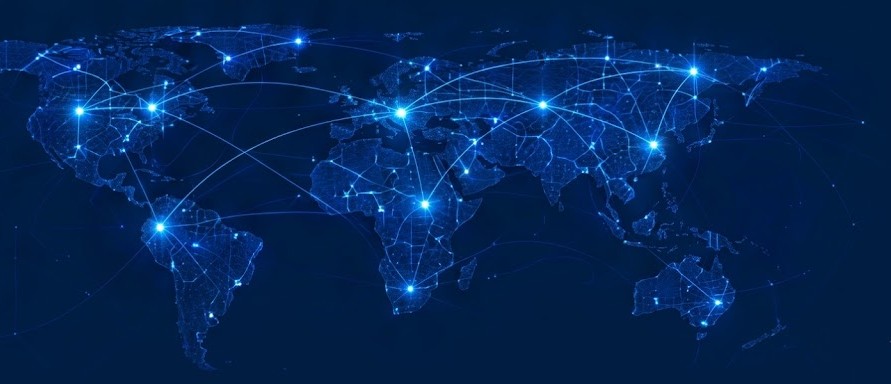
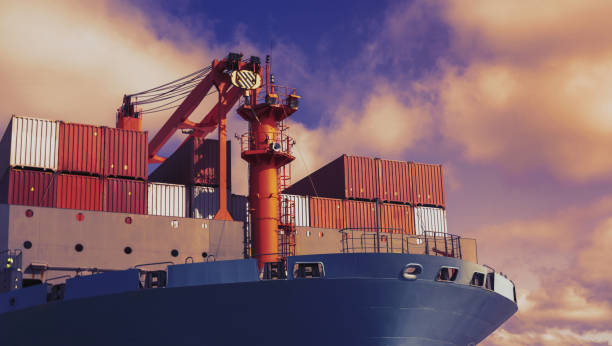
Over the past two years, the European chemical industry has witnessed a steep rise in freight and logistics expenses. Contributing factors include the war in Ukraine, sanctions on Russian supplies, and lingering port congestion in the Mediterranean. These shocks have pushed container rates and trucking tariffs to record highs.
Impact of Geopolitical Disruptions
Supply Chain Bottlenecks
The closure of key transit routes has forced shippers to seek alternative corridors, often at premium rates. For example, the Bosporus Strait’s restricted traffic has rerouted freight through the Suez Canal, where fees and vessel scarcity have compounded costs.
Currency Volatility
Fluctuations in the euro and other regional currencies have amplified the financial burden on companies that import raw materials from outside the EU. Hedging strategies have become more expensive, further eroding profit margins.
Freight Cost Dynamics
Transient Surge: Freight rates peaked in late 2023 but have stabilized at a 30‑40% premium over pre‑conflict levels.
Capacity Constraints: Limited availability of dry‑bulk and reefer vessels has kept spot prices elevated.
Regulatory Changes: New EU safety and environmental standards have added compliance costs to logistics budgets.
Shipper Strategies
• Diversification ofTransport Modes: Shippers are exploring rail, inland waterways, and air freight as alternatives to sea transport.
• Long‑Term Contracts: Locking in rates with carriers can hedge against short‑term volatility.
• Digitalization: Real‑time tracking and predictive analytics improve route optimization, reducing idle time.
• Supplier Consolidation: Partnering with fewer, more reliable suppliers helps streamline logistics and negotiate better terms.
Long‑Term Outlook
The persistence of conflict‑driven pricing hinges on several interrelated factors:
Geopolitical Resolution: A durable solution to regional tensions could ease port congestion and lower shipping fees.
Infrastructure Investment: EU funding for port upgrades and inland rail networks may improve capacity and reduce bottlenecks.
Market Adaptation: Companies that rapidly adjust supply chains and adopt multimodal logistics are better positioned to absorb cost spikes.
简介>
Regulatory Evolution: Stricter environmental mandates may raise operational costs, but also create opportunities for green logistics innovations.