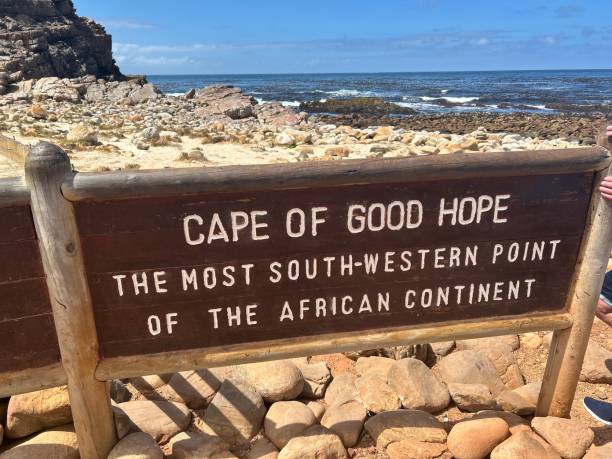
Cape of Good Hope Routing: July 10 Updated Cost Assessment
The Cape of Good Hope routing cost assessment published Friday, July 10 reflects the most recent BAF reset and its ripple effects across the Asia‑Europe chemical shipping corridor. As carriers recalibrate their pricing matrices, shippers must re‑evaluate the cost differential between traditional Suez‑route passages and the Cape‑tuned alternative.
BAF Reset and Its Immediate Consequences
What the Reset Means for Shipping Costs
The global Bunker Adjustment Factor was recalibrated to 0.75 on July 10, in response to a sudden rise in marine fuel prices. This adjustment translates into a 7.5 % uplift fringe in the base freight charge for vessels operating under the Cape route, affecting the overall cost structure for chemical containers.
Impact on Bunker Fuel Consumption Estimates
Vessel operators now factor in a higher bunker consumption estimate per 1,000 nautical miles, which increases the freight cost per TEU. The additional cost encara a 3.2 % rise in the BAF component for the typical 12,000‑tonne chemical tanker.
Bunker Adjustment Factor Analysis
The BAF is a percentage markup applied to the base freight rate, intended to cover the cost of bunker fuel. A 0.75 factor means the carrier adds 75 % of the fuel cost to the freight bill. With fuel prices climbing from $460 to $510 per ton, the BAF component for a 5‑day journey over the Cape rose from $6,850 to $7,620.
Freight Rate Changes for Asia‑Europe Chemical Shipments
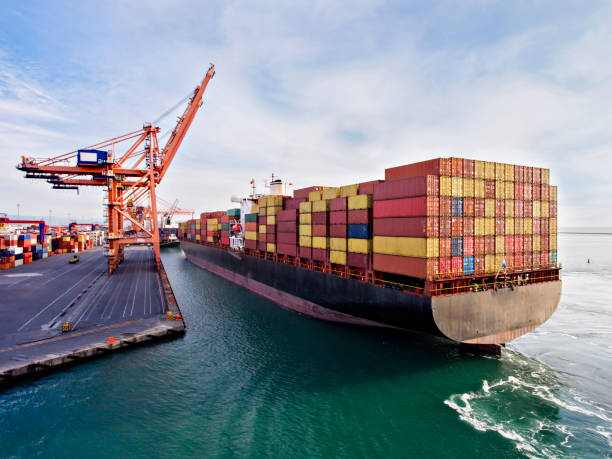
Below is a quick comparison of the key freight rate drivers before and after the BAF reset:
Base freight (Suez) – $45,000 per 40 ft container
Base freight (Cape) – $47,500 per 40 ft container
BAF component (Cape) – $7,850 (post‑reset) vs $6,850 (pre‑reset)
Total Cape freight – $55,350 vs $54,350
While the Suez route remains marginally cheaper, the Cape route’s risk profile—longer transit time, greater exposure to piracy, and variable port fees—means the cost differential is not purely a function of fuel markup.
Procurement Implications for Chemical Importers
For buyers in Asia, the updated cost assessment signals a need to revisit contract terms with carriers and stevedores. Key considerations include:
Negotiating fixed BAF clauses to lock in current rates for a defined period.
Exploring blended routing strategies that combine Suez and Cape legs to optimize cost and risk.
Reassessing insurance premiums, as the Cape route typically commands higher coverage.
Integrating bunker hedging instruments to mitigate future fuel price volatility.
Additionally, the supply chain manager should monitor port congestion indices at Cape Town and Durban, as port delays can erode the cost advantage gained from lower fuel prices.
Strategic Recommendations for Shipping Managers
To adapt to the new cost landscape, shipping managers should implement the following tactics:
Conduct a quarterly BAF impact review to stay ahead of market swings.
Leverage digital freight platforms that provide real‑time BAF updates and route cost calculators.
Collaborate with chemical stakeholders to align container specifications, reducing handling costs.
Invest in crew training on Cape‑route safety protocols to lower insurance premiums.
The July 10 Cape of Good Hope routing update underscores the dynamic nature of maritime freight economics. While the BAF reset has nudged Cape route costs upward, strategic procurement and risk‑management practices can still create value for Asia Workspace chemical importers. By staying informed and agile, shippers can maintain competitive pricing while safeguarding supply chain resilience.

Ammonium Chloride
Found this useful?