Carbon Border Adjustment Mechanism (CBAM): Implications for Chemical Manufacturers and Global Traders
The Carbon Border Adjustment Mechanism (CBAM) entered its definitive phase on 1 January 2026, bringing a new set of compliance and cost considerations for businesses trading selected carbon-intensive goods with the European Union. For chemical manufacturers, fertilizer producers, exporters and international procurement teams, the mechanism makes emissions data an increasingly important part of cross-border trade.
CBAM links the carbon emissions generated during production to the cost of supplying covered goods to the EU market. As a result, manufacturers and traders must pay closer attention to production methods, emissions documentation, supplier transparency and the financial terms of international contracts.
However, CBAM does not apply to every chemical product. Its current scope covers selected goods in six sectors, including fertilizers and hydrogen, alongside cement, iron and steel, aluminium and electricity. Understanding this distinction helps businesses identify their actual exposure and prepare for changing buyer requirements without treating every chemical shipment as automatically subject to the mechanism.
What Is CBAM and Why Does It Matter to Chemical Trade?
The Carbon Border Adjustment Mechanism is an EU policy designed to address carbon leakage. This occurs when companies move carbon-intensive production to countries with less stringent climate policies or when imports produced with higher emissions replace comparable goods manufactured under the EU's carbon pricing system.
CBAM complements the EU Emissions Trading System (EU ETS), which places a carbon cost on emissions from covered industrial activities. By linking the emissions embedded in selected imported goods to a corresponding carbon cost, the EU aims to reduce differences between domestic and imported products.
For chemical manufacturers and international traders, this creates several practical implications:
Production emissions matter commercially. Buyers may need reliable information about the emissions associated with covered goods before completing an import transaction.
Documentation becomes a sourcing requirement. Exporters must be prepared to provide production and emissions information that supports the importer's compliance obligations.
Cost comparisons require more detail. A supplier's quoted price may not reflect the full financial implications of importing a covered product into the EU.
Production efficiency can influence competitiveness. Manufacturers that reduce emissions and maintain reliable records may be better positioned to serve buyers seeking lower-emission supply chains.
The mechanism therefore connects environmental performance with procurement, trade compliance and supplier selection.
Which Chemical Products Fall Under CBAM?
The first step for any manufacturer or trader is to determine whether the specific product falls within the mechanism's legal scope. CBAM applies to designated goods rather than entire industries, so a company's classification depends on the product it imports or exports and the applicable customs commodity code.
The fertilizer and hydrogen sectors are particularly relevant to chemical businesses. Depending on the exact product classification, relevant trade may include selected fertilizers, fertilizer intermediates and hydrogen.
Businesses should pay particular attention to:
Fertilizers and nitrogen-based products: Producers and exporters should check whether their specific goods fall within the covered fertilizer categories.
Hydrogen: Producers and traders involved in hydrogen supply chains should review the applicable product definitions and emissions calculation rules.
Chemical inputs and intermediates: Companies should verify whether a product is directly covered rather than assuming that its chemical composition or industrial use automatically brings it within CBAM.
Downstream manufactured goods: Businesses should monitor legislative developments that could extend the mechanism to additional products containing covered materials.
Product classification is essential because two goods from the same broad chemical category may face different obligations. Exporters should confirm the applicable customs code and current regulatory treatment with their EU customers or customs specialists before quoting or shipping.
The European Commission provides sector-specific guidance and information on the goods covered by CBAM.
How CBAM Changes Import Costs and Supplier Selection
Under the definitive regime, authorised EU importers must account for the embedded emissions of covered imports and surrender the corresponding CBAM certificates under the applicable rules. Certificate prices relate to EU ETS allowance prices, making carbon costs an additional consideration in the purchasing process.
For buyers, this means the lowest quoted price may not always represent the lowest overall procurement cost. Two suppliers offering the same covered product could differ in production emissions, data quality, manufacturing efficiency and their ability to provide information needed for compliance.
Procurement teams should therefore assess more than the invoice price. Relevant factors include:
Product price: Compare the supplier's quoted price on a consistent delivery and payment basis.
Embedded emissions: Request product-specific emissions data where applicable and establish how the supplier calculates it.
Documentation quality: Check whether the supplier can support the figures with appropriate production records and verification where required.
Logistics and delivery reliability: Consider freight, lead times, shipment size and the risk of disruption.
Contractual cost allocation: Clarify how the parties will handle changes in regulatory costs, certificate obligations and missing or revised emissions data.
These checks help importers evaluate the commercial implications of sourcing decisions before committing to long-term supply arrangements.
Emissions Reporting and Documentation Responsibilities
CBAM creates reporting and financial responsibilities for EU importers, but non-EU manufacturers also play an important role because their production information helps customers meet those requirements. Exporters that cannot provide reliable emissions data may make procurement and compliance more difficult for their buyers.
The exact documentation requirements depend on the goods, the applicable rules and the parties' roles in the supply chain. Manufacturers should establish a consistent process for collecting and maintaining the information their EU customers need.
A practical preparation process includes the following steps:
Map the production process. Identify the relevant manufacturing installation, production route, energy inputs and other information needed to calculate emissions for covered goods.
Establish data ownership. Assign responsibility for collecting production records, energy consumption figures and supporting documentation.
Apply the relevant calculation method. Use the applicable CBAM rules and sector-specific guidance rather than relying on an informal estimate.
Maintain traceable records. Keep supporting evidence organised so the company can respond to customer questions and verification requests.
Coordinate with the importer. Agree on data formats, submission deadlines and the process for correcting discrepancies.
The European Commission published a series of ten guidance documents on 14 August 2026 to support implementation during the definitive period. The package includes general guidance on CBAM concepts and emissions calculations, along with sector-specific guidance for covered sectors, including fertilizers and hydrogen.
Manufacturers outside the EU should use the guidance relevant to their products and production activities. Clear records can reduce avoidable delays and improve communication between exporters, importers and compliance teams.
Supply Chain Risks for Chemical Manufacturers and Traders
CBAM introduces a stronger connection between production data and international purchasing decisions. Businesses that overlook this connection may face additional administrative work, uncertainty over landed costs or difficulties meeting customers' documentation requirements.
Several supply chain risks deserve attention.
Supplier data gaps: A manufacturer may produce a covered good but lack a reliable system for calculating its embedded emissions. Importers then have to assess the available information and follow the applicable rules for reporting.
Uncertain landed costs: Certificate prices and emissions levels can affect the financial assessment of covered imports. Buyers should account for these factors when comparing suppliers and preparing budgets.
Contract disputes: If a contract does not specify who must provide emissions data or how regulatory changes affect pricing, the parties may disagree over responsibility and additional costs.
Limited supplier flexibility: Importers that depend on a single supplier may have fewer options if that supplier cannot provide suitable documentation or changes its production process.
Changing regulatory requirements: Amendments to CBAM legislation and product coverage can affect future sourcing decisions. Businesses should monitor official updates rather than rely indefinitely on older guidance.
To manage these risks, buyers should request relevant emissions documentation early, maintain communication with suppliers and include appropriate compliance provisions in purchasing agreements.
What CBAM Means for Global Exporters and Procurement Teams
For exporters outside the EU, CBAM creates a commercial reason to strengthen production transparency and build closer relationships with European customers. Companies that understand the applicable rules can answer buyer questions more efficiently and make their offers easier to assess.
Exporters should focus on three priorities.
First, establish whether their products fall within the current scope. This requires product-level classification rather than broad assumptions about the chemical industry.
Second, assess their ability to provide the information required by EU customers. Manufacturers should identify gaps in energy records, production data and emissions calculations before those gaps delay a shipment or contract.
Third, evaluate whether operational improvements could reduce emissions. Better energy efficiency, improved process control and lower-carbon energy sources may support emissions reductions, although the commercial value depends on the product, production route and applicable calculation rules.
EU importers have a different but closely related set of responsibilities. They need to understand their authorisation requirements, reporting obligations and certificate liabilities for covered goods. Under the definitive regime, importers bringing more than the applicable single mass-based threshold of 50 tonnes of CBAM goods into the EU must apply for authorised CBAM declarant status, subject to the relevant rules and exemptions.
For procurement teams, the most effective approach is to combine compliance checks with ordinary supplier evaluation. Price, quality, delivery performance and technical suitability remain important, while emissions data and regulatory readiness become additional considerations for covered products.
Preparing for the Next Phase of CBAM
The EU's CBAM framework continues to develop as policymakers consider implementation challenges and potential changes to product coverage. In June 2026, the Council of the European Union agreed on its position regarding proposed measures to strengthen the mechanism, including extending its scope to selected downstream products containing significant amounts of iron and steel or aluminium. The proposal was still subject to further legislative negotiations at that point.
Chemical manufacturers and traders should not assume that every proposed change has already become law. Instead, they should monitor official announcements and assess how adopted amendments could affect their products, customers and contracts.
Businesses can prepare by taking the following actions:
Review product classifications regularly. Confirm the applicable customs codes and check official updates to the list of covered goods.
Invest in emissions data systems. Improve the collection, consistency and traceability of production information for covered products.
Strengthen supplier relationships. Establish clear expectations for emissions data, supporting records and timely responses to compliance requests.
Review purchasing and sales contracts. Define responsibilities for documentation, regulatory changes and the allocation of applicable costs.
Evaluate production efficiency. Identify opportunities to reduce energy consumption and emissions while maintaining product quality and reliable output.
These steps can help businesses respond to regulatory changes without disrupting day-to-day procurement and sales operations.
What Chemical Buyers Should Do Now
CBAM makes regulatory awareness an increasingly important part of international chemical sourcing, particularly for businesses trading covered fertilizers and hydrogen. The most immediate priority is to establish which products fall within the current scope and understand the documentation and financial obligations associated with those goods.
For procurement managers, this means comparing suppliers on a broader set of commercial factors. Alongside price, quality, delivery terms and production capacity, buyers should evaluate emissions information, documentation readiness and the supplier's ability to support compliance requirements.
Manufacturers and exporters should also recognise that emissions transparency can strengthen business relationships. Reliable records, clear communication and a willingness to improve production efficiency can help suppliers meet evolving customer expectations, although they do not automatically guarantee lower CBAM costs or preferential market access.
For global chemical traders, the practical objective is to integrate regulatory checks into supplier selection and contract management while avoiding assumptions that CBAM covers every chemical product. Businesses that combine accurate product classification, dependable supplier information and disciplined procurement processes will be better prepared to navigate the changing trade environment.
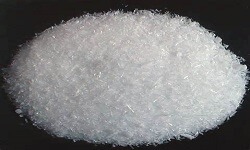
Urea (Granular) - Egypt
Found this useful?