Casale to Supply a 100 t/d Modular Green Ammonia Plant to Neptun
Casale to Supply a 100 t/d Modular Green Ammonia Plant to Neptun
Casale and Neptun Sign Contract for Modular Green Ammonia Plant
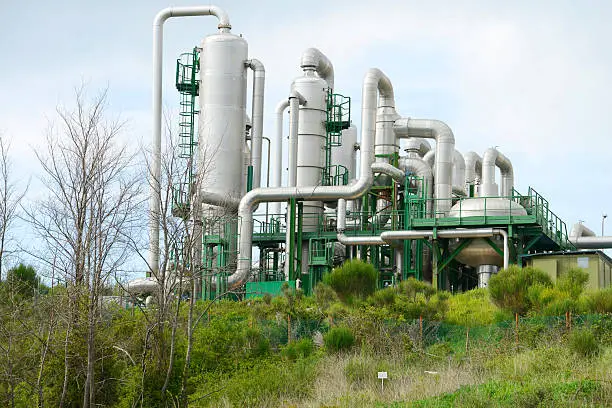
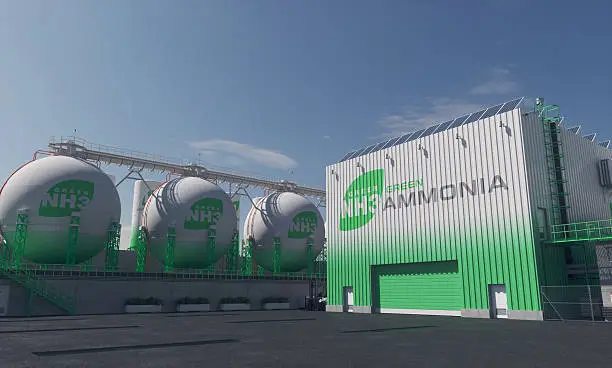
Casale has signed a contract with Neptun Glomfjord Green Ammonia AS (NGGA) to engineer and supply a 100 t/d modular green ammonia plant at Glomfjord Industrial Park in Norway.
The agreement, announced on 23 September 2026, marks another development in the deployment of smaller-scale renewable ammonia production technologies. The project will use Casale's proprietary SMART-N™ technology and will be delivered under an Engineering, Procurement and Fabrication (EPF) model.
NGGA is developing the project to make use of the region's renewable power resources and existing industrial infrastructure while supplying ammonia for local demand.
100 t/d Plant Designed for Small-Scale Green Ammonia Production
The planned facility will have a nominal production capacity of 100 tonnes of green ammonia per day.
Unlike conventional large-scale ammonia projects, the Glomfjord facility is being developed around a modular concept specifically suited to smaller-scale renewable ammonia production.
Casale's SMART-N™ technology has been developed for small-scale ammonia synthesis and applications based on renewable hydrogen. The technology combines a compact plant configuration with a broad operating range.
The project demonstrates how ammonia production can be designed for applications where renewable electricity and hydrogen availability can vary over time.
Modular Design to Reduce On-Site Construction
A major feature of the project is the modularization of the plant.
Casale will engineer and supply the facility as a modularized system, allowing a significant portion of fabrication work to be completed away from the Glomfjord site.
The modular approach is designed to balance the costs of fabrication at the manufacturing yard with assembly and installation requirements at the final location.
According to Casale, increased off-site fabrication is expected to reduce the volume and complexity of activities required at the Norwegian site while supporting overall project cost efficiency.
Designed to Operate From 10% to 100% Capacity
Operational flexibility is another important feature of the planned plant.
The facility is designed to operate across a range of 10% to 100% of its nominal capacity. This wide operating range is particularly relevant to renewable ammonia projects because renewable electricity and hydrogen availability can fluctuate.
Following start-up, the synthesis section is planned to initially operate at approximately 50% load as hydrogen production is implemented through a staged strategy.
This flexibility can allow the ammonia synthesis process to respond more effectively to changes in renewable-energy availability and associated energy and hydrogen prices.
Why Flexibility Matters for Green Ammonia
Green ammonia is generally produced using hydrogen generated from renewable electricity and nitrogen separated from air.
Because renewable power sources such as wind and solar can vary, green ammonia plants may need to operate differently from traditional facilities designed around continuous and relatively stable feedstock conditions.
A flexible synthesis loop can therefore be important when the availability or economics of renewable hydrogen changes.
Casale's SMART-N™ technology is intended to address this requirement through a compact design and wide operating range.
Glomfjord Provides Renewable Energy and Industrial Infrastructure
The project will be located at Glomfjord Industrial Park in Norway.
NGGA plans to leverage the region's renewable power resources together with established industrial infrastructure.
The location is also relevant to the project's objective of supplying ammonia for local demand. Rather than focusing solely on long-distance ammonia exports, the facility is being developed as part of a regional industrial value chain.
This approach could allow renewable ammonia production to become integrated with downstream nitrogen-based products manufactured closer to the point of production.
Green Ammonia to Support a Lower-Carbon Nitrogen Value Chain
The ammonia produced at Glomfjord is expected to be processed by third parties into several downstream products.
These include:
Nitric acid
Ammonium nitrate solution (ANS)
Fertilizers
This means the project extends beyond the production of green ammonia itself.
The downstream conversion of ammonia into nitrogen products could create a broader lower-carbon value chain, connecting renewable hydrogen and ammonia production with fertilizer and chemical manufacturing.
Engineering, Procurement and Fabrication Model
Casale will deliver the project under an EPF model, covering engineering, procurement and fabrication.
The model fits with the project's modular construction strategy, in which equipment and plant sections can be fabricated before being transported to the final location.
For smaller renewable-ammonia projects, this approach can be particularly relevant because reducing the amount of complex construction work required at the site can help simplify project execution.
The final plant configuration has been designed specifically around the requirements of small-scale renewable ammonia production.
Potential Role in Renewable Ammonia Development
The Neptun project adds another example of how ammonia technology suppliers are adapting conventional ammonia synthesis for renewable-energy applications.
Green ammonia is attracting attention because ammonia can serve not only as a fertilizer feedstock but also as a potential carrier of renewable energy and a raw material for other nitrogen-based products.
Smaller modular plants could be relevant in regions where renewable hydrogen is available but the scale of production does not justify a conventional large-scale ammonia facility.
The Glomfjord project is designed around this type of application.
What to Watch Next
Key developments to monitor include:
Progress on engineering and fabrication of the modular plant
Development of the Glomfjord green ammonia facility
Implementation of the staged hydrogen-production strategy
Performance of the SMART-N™ synthesis technology
Start-up and operation of the 100 t/d facility
Development of downstream nitric acid, ANS and fertilizer applications
Further deployment of modular green ammonia plants in other markets
The project's operating performance will provide practical insight into how flexible, small-scale ammonia synthesis can work alongside renewable hydrogen production.
Conclusion
Casale's contract with Neptun Glomfjord Green Ammonia AS will bring a 100 t/d modular green ammonia plant to Glomfjord, Norway.
The facility will use Casale's SMART-N™ technology and will be engineered and supplied through an EPF model. Its modular design is intended to reduce on-site construction requirements, while the plant's 10%–100% operating range is designed to accommodate the variable conditions associated with renewable hydrogen production.
The green ammonia produced at the facility is expected to move into downstream production of nitric acid, ammonium nitrate solution and fertilizers, linking renewable ammonia production with a broader nitrogen value chain.
For the emerging green ammonia sector, the project highlights the growing focus on modular plant design, operational flexibility and renewable-hydrogen integration as companies develop smaller-scale pathways for lower-carbon ammonia production.
Found this useful?