CATL and Alfen's Sodium-Ion Deal Marks a European Specialty Battery Milestone
CATL and Alfen's Sodium-Ion Deal Marks a European Specialty Battery Milestone
Introduction
The partnership between CATL and Alfen to deploy sodium-ion battery energy storage systems represents a significant milestone for Europe's evolving battery landscape. While lithium-ion technology continues to dominate global energy storage, sodium-ion batteries are rapidly emerging as a complementary solution for stationary energy storage applications where cost, safety, and resource availability are critical.
For specialty chemical producers, raw material suppliers, and procurement professionals, the agreement signals growing commercial confidence in sodium-ion technology. It also highlights the expanding role of alternative battery chemistries in supporting Europe's energy transition and reducing dependence on critical raw materials.
Why This Partnership Matters
The collaboration brings together CATL's sodium-ion battery technology with Alfen's expertise in smart energy storage and grid infrastructure. The deployment of sodium-ion battery systems demonstrates that the technology is moving beyond pilot projects toward commercial-scale implementation in Europe.
The agreement reflects several broader industry trends:
Increasing investment in alternative battery chemistries
Growing demand for stationary energy storage
Greater emphasis on supply chain diversification
Expansion of renewable energy infrastructure
Reduced dependence on scarce critical minerals
For European utilities and industrial customers, sodium-ion technology offers another option for large-scale energy storage alongside conventional lithium-ion systems.
The Rise of Sodium-Ion Batteries
Sodium-ion batteries operate using sodium instead of lithium as the primary charge carrier. Because sodium is abundant and widely available, the technology has attracted significant attention as governments and manufacturers seek more resilient battery supply chains.
Key advantages include:
Greater availability of raw materials
Lower dependence on lithium and nickel
Improved supply chain security
Strong thermal stability and safety characteristics
Competitive performance for stationary storage applications
Although sodium-ion batteries currently have lower energy density than many lithium-ion batteries, they are well suited for applications where size and weight are less important than cost and long-term reliability.
Implications for the Specialty Chemicals Industry
The commercialization of sodium-ion technology has important implications for chemical manufacturers supplying battery materials.
Potential areas of increased demand include:
Sodium-Based Cathode Materials
Growing production of sodium-ion batteries is expected to increase demand for specialized cathode materials designed specifically for sodium-based chemistries.
Electrolytes and Battery Chemicals
Manufacturers of battery-grade electrolytes, conductive additives, binders, and specialty solvents may benefit as sodium-ion production scales.
Separator and Functional Materials
Battery separators, coatings, and advanced polymer materials remain essential components regardless of battery chemistry, creating continued opportunities for specialty material suppliers.
Manufacturing Process Chemicals
Battery production requires a wide range of industrial chemicals used in electrode processing, cleaning, coating, and quality control.
What Procurement Teams Should Monitor
Procurement professionals supporting battery manufacturing or energy storage projects should closely follow developments in sodium-ion technology.
Key areas to monitor include:
Commercial production capacity
Availability of battery-grade sodium materials
Long-term supply agreements
Technology adoption across Europe
Manufacturing scale-up timelines
Cost competitiveness compared with lithium-ion systems
Early visibility into these developments can help organizations prepare sourcing strategies as the technology matures.
Opportunities for Europe
Europe has been actively investing in battery manufacturing to strengthen energy security and reduce dependence on imported technologies.
The CATL–Alfen partnership supports several strategic objectives:
Expanding local energy storage capacity
Supporting renewable energy integration
Diversifying battery technologies
Improving supply chain resilience
Encouraging industrial innovation
As renewable electricity generation continues to grow, demand for reliable and cost-effective energy storage solutions is expected to increase significantly.
Challenges Ahead
Despite growing momentum, sodium-ion technology still faces several commercial and technical challenges.
These include:
Lower energy density than lithium-ion batteries
Limited large-scale manufacturing capacity
Evolving supply chains for specialized materials
Ongoing product qualification requirements
Market competition from established battery technologies
Continued investment in research, manufacturing, and infrastructure will be essential for broader commercial adoption.
Strategic Outlook
The agreement between CATL and Alfen signals that sodium-ion batteries are becoming an increasingly credible option within the global energy storage market. While lithium-ion technology will remain the dominant battery chemistry for electric vehicles and many portable applications, sodium-ion batteries are expected to play an expanding role in stationary energy storage.
For specialty chemical suppliers, battery material producers, and procurement organizations, this transition creates opportunities to participate in a growing market supported by Europe's long-term decarbonization and energy security objectives.
Conclusion
The CATL–Alfen sodium-ion partnership marks an important step in the commercialization of alternative battery technologies across Europe. By combining advanced battery chemistry with energy storage expertise, the collaboration demonstrates increasing industry confidence in sodium-ion systems for grid-scale applications.
For the specialty chemicals sector, the agreement highlights emerging demand for new battery materials, process chemicals, and supply chain capabilities. Organizations that monitor these developments and adapt their sourcing strategies early will be well positioned to benefit as sodium-ion technology moves from an emerging innovation to a commercially significant part of Europe's battery ecosystem.
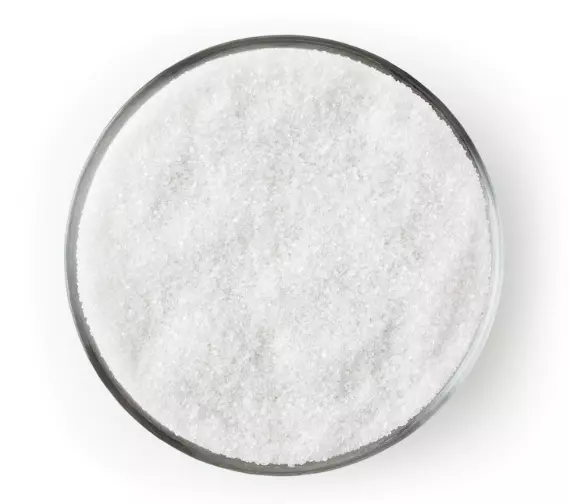
Sodium Acetate
Found this useful?