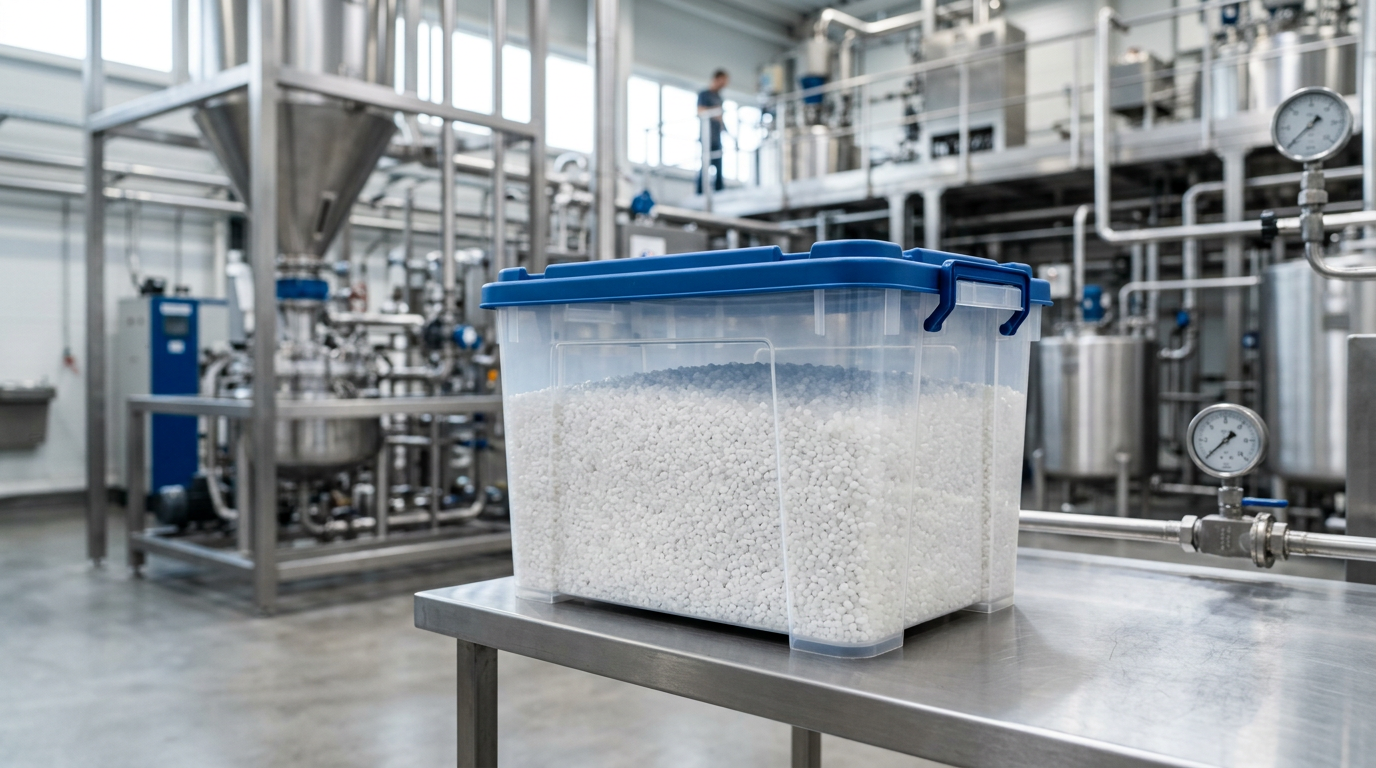
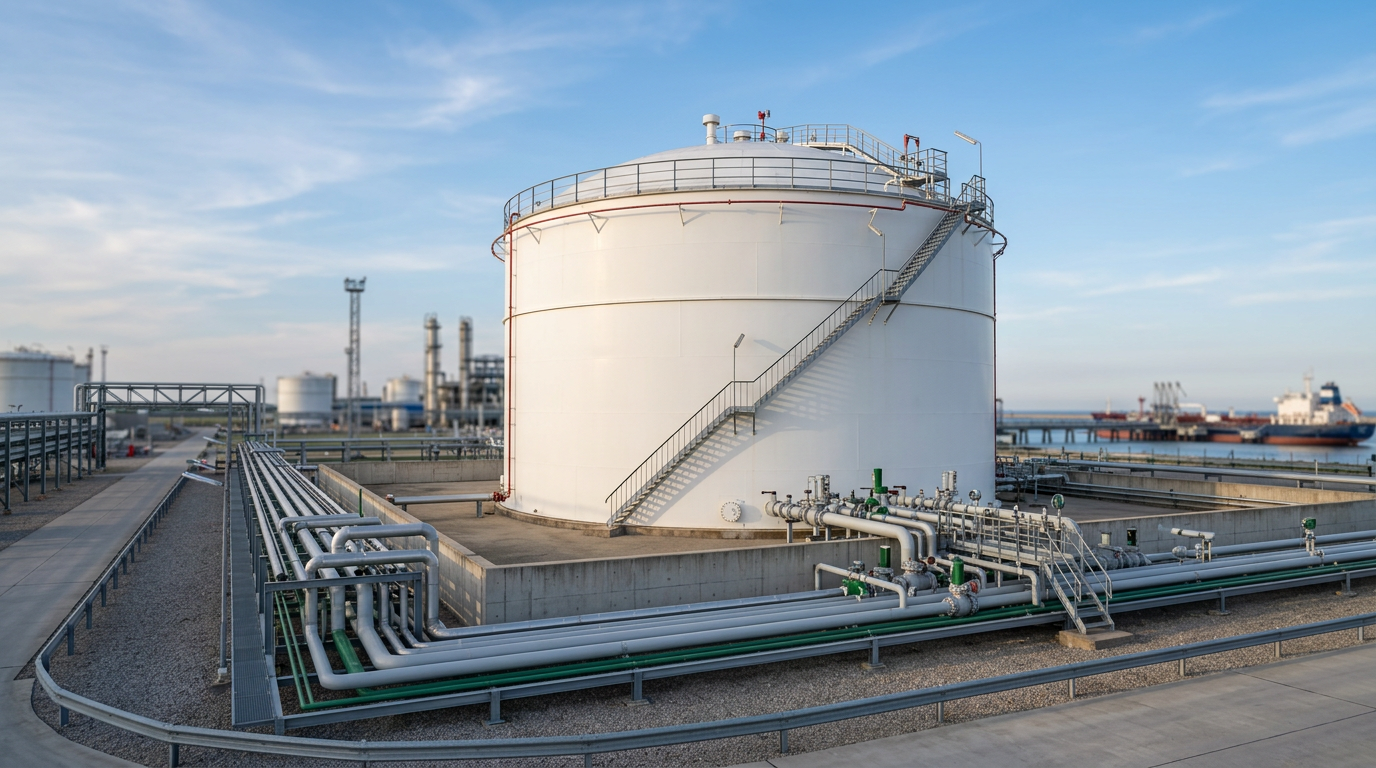
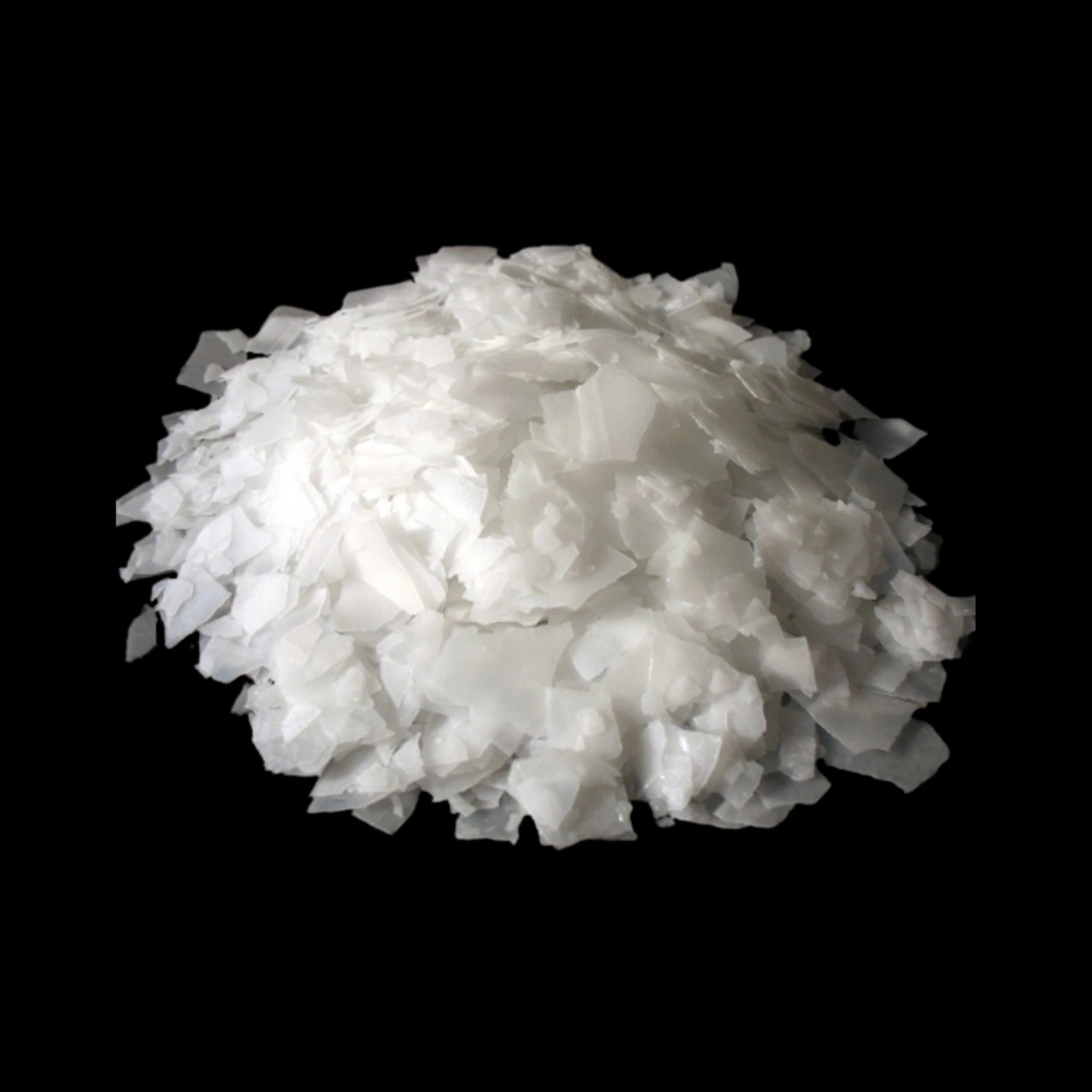
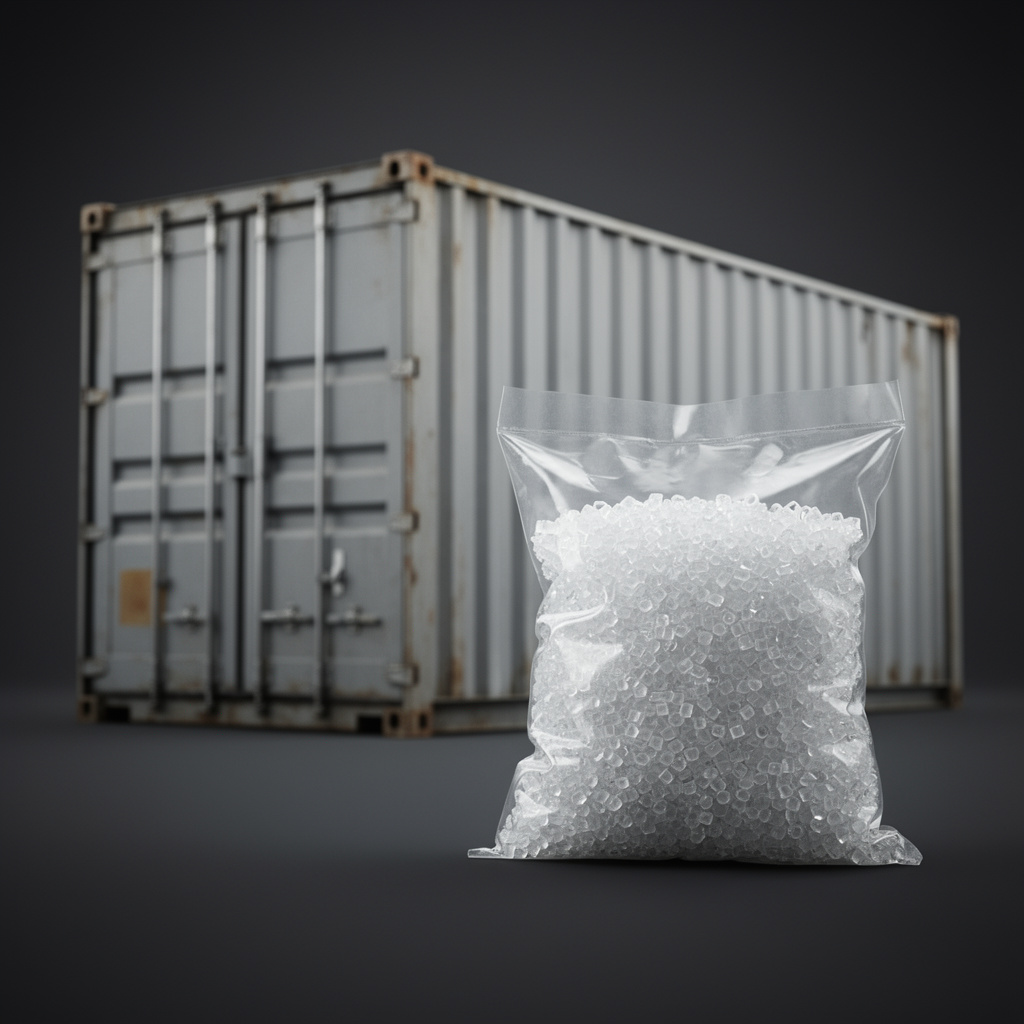
The first half of 2026 reshaped regional commodity chemical trade in ways that may extend well beyond the immediate supply disruption. As Gulf exports slowed, Indian chemical producers expanded production and increased exports across several commodity segments, including caustic soda. For many buyers in Southeast Asia, the Middle East and Africa, India became an increasingly important alternative source of supply.
Now, the market is entering a new phase. With convoy operations gradually supporting the recovery of Gulf exports, procurement teams face a different challenge. Rather than finding emergency supply, they must decide how today's sourcing decisions will influence supply chain resilience over the next 12 to 18 months.
How India's Chlor-Alkali Industry Responded
India's chemical sector demonstrated how domestic production can expand during periods of international disruption.
Record domestic fertilizer production highlighted the industry's ability to increase manufacturing capacity when imports became less reliable. A similar trend emerged in the chlor-alkali industry, where producers expanded exports to serve markets affected by constrained Gulf supply.
For procurement professionals, this was more than a temporary increase in shipments. It represented the emergence of additional regional supply capacity.
Why Caustic Soda Was Well Positioned
Caustic soda is produced through the chlor-alkali process, serving industries including:
Because demand remained relatively stable across many industrial sectors, buyers required dependable alternative suppliers when traditional trade routes experienced disruption.
Indian producers were able to capture additional business by supplying markets that previously relied more heavily on Gulf-origin material.
The Market Is Entering a Transition Phase
The gradual recovery of Gulf exports changes the competitive environment.
Rather than choosing between available and unavailable supply, procurement teams are once again comparing multiple sourcing options based on commercial performance.
The key questions now include:
Will Indian suppliers retain newly acquired customers?
How quickly will Gulf producers rebuild export volumes?
Will pricing return to pre-disruption patterns?
How will logistics costs influence delivered competitiveness?
These questions will shape procurement strategies during the second half of 2026.
Why July Matters for Procurement Decisions
July represents an important decision period because buyers are beginning to evaluate long-term supplier performance instead of emergency supply availability.
Companies that established relationships with Indian suppliers now have operational experience regarding:
These factors will influence whether buyers maintain diversified supplier portfolios or return to previous sourcing structures as Gulf exports improve.
Indian Origin Versus Gulf Origin
As market conditions evolve, procurement decisions will increasingly focus on overall value rather than emergency availability.
When comparing Indian-origin and Gulf-origin caustic soda, buyers should evaluate:
Delivered cost rather than factory price alone.
Transit time and logistics reliability.
Supplier production capacity.
Contract flexibility.
Inventory support.
Long-term commercial relationships.
A competitive sourcing strategy considers all these factors together instead of relying solely on price.
Capacity Expansion May Create Lasting Change
Periods of disruption often accelerate structural shifts that continue after markets stabilise.
If Indian producers retain higher operating rates and stronger export relationships, the regional caustic soda market may remain more diversified than before the disruption.
Potential long-term outcomes include:
Greater regional supply competition.
More diversified sourcing strategies.
Increased investment in domestic manufacturing capacity.
Stronger export infrastructure.
Improved supply resilience across multiple markets.
These developments could benefit buyers by expanding sourcing options over time.
Procurement Priorities for the Next 12 to 18 Months
The coming procurement cycle should balance short-term commercial opportunities with long-term supply security.
Recommended priorities include:
Maintaining qualified suppliers across multiple regions.
Comparing total delivered costs rather than headline prices.
Monitoring Gulf export recovery alongside Indian production trends.
Reviewing contract flexibility before renewal.
Building strategic relationships with suppliers demonstrating consistent operational performance.
These actions support resilience regardless of how quickly global trade patterns continue to normalise.
What Buyers Should Do Now
The expansion of Indian caustic soda exports during the Gulf supply disruption has changed the regional competitive landscape. As Gulf-origin material gradually returns to international markets, procurement teams have an opportunity to reassess supplier portfolios using operational performance rather than emergency availability as the primary decision criterion.
The sourcing choices made during the second half of 2026 are likely to influence procurement strategies well into 2027 and beyond. Buyers who evaluate supplier reliability, logistics performance, production capacity and commercial flexibility alongside pricing will be better positioned to build resilient supply chains for the years ahead.
Ready to source caustic soda from verified global suppliers? Explore competitive offers on our platform today.