The global caustic soda market does not respond only to demand from industries that consume the product directly. One of its most important supply drivers comes from the chlor-alkali process, where caustic soda and chlorine are produced together. This means changes in chlorine demand can significantly influence caustic soda availability, even when demand from caustic soda consumers remains relatively stable.
The latest C&EN Top 50 rankings showed that LyondellBasell, one of the world's major chlor-alkali producers, experienced lower chemical revenues during 2025 alongside several other leading commodity chemical companies. For procurement professionals, this reflects broader market conditions that extend well beyond the chlor-alkali sector and into construction, PVC production and ultimately caustic soda supply.
Understanding the Chlor-Alkali Process
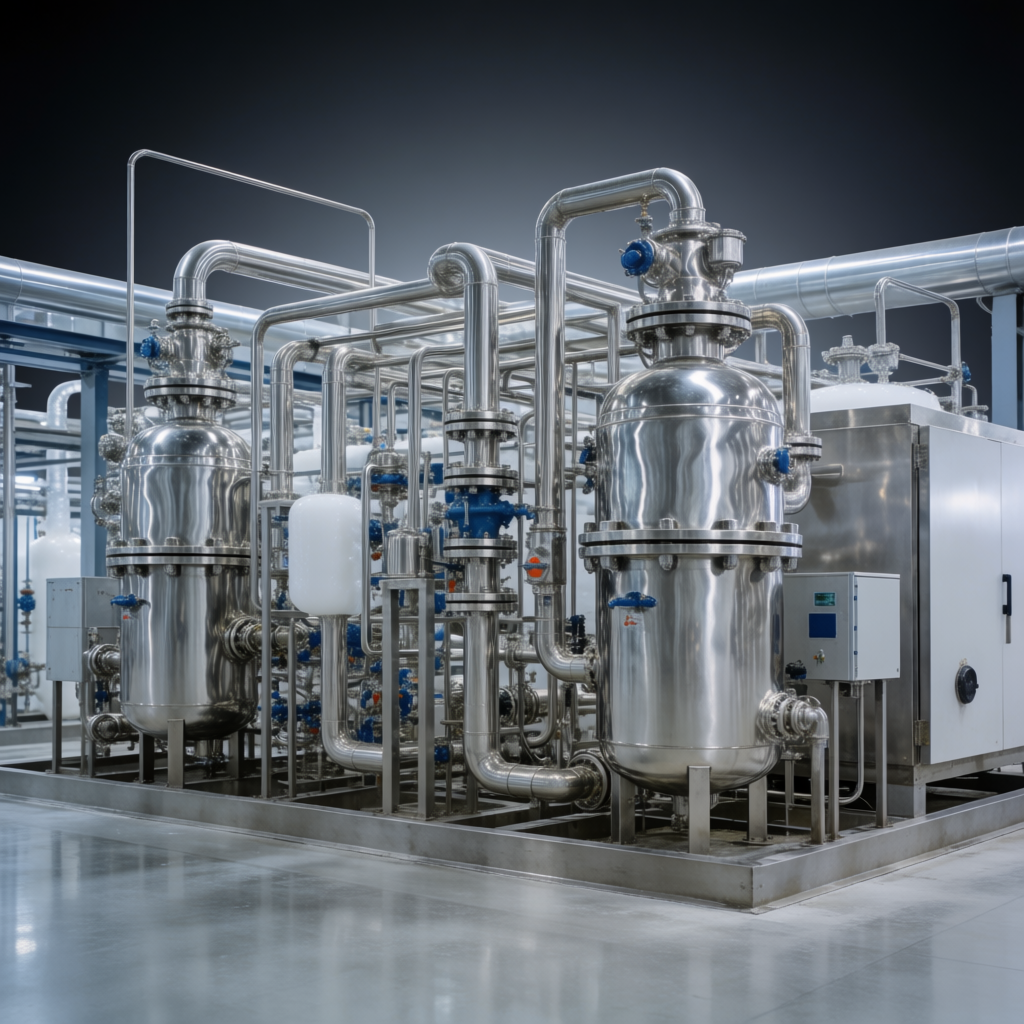
Caustic soda and chlorine are produced simultaneously through the electrolysis of brine in a chlor-alkali plant.
This production method creates a fixed relationship between the two products. Manufacturers cannot significantly increase or decrease one product without affecting the output of the other.
The process produces:
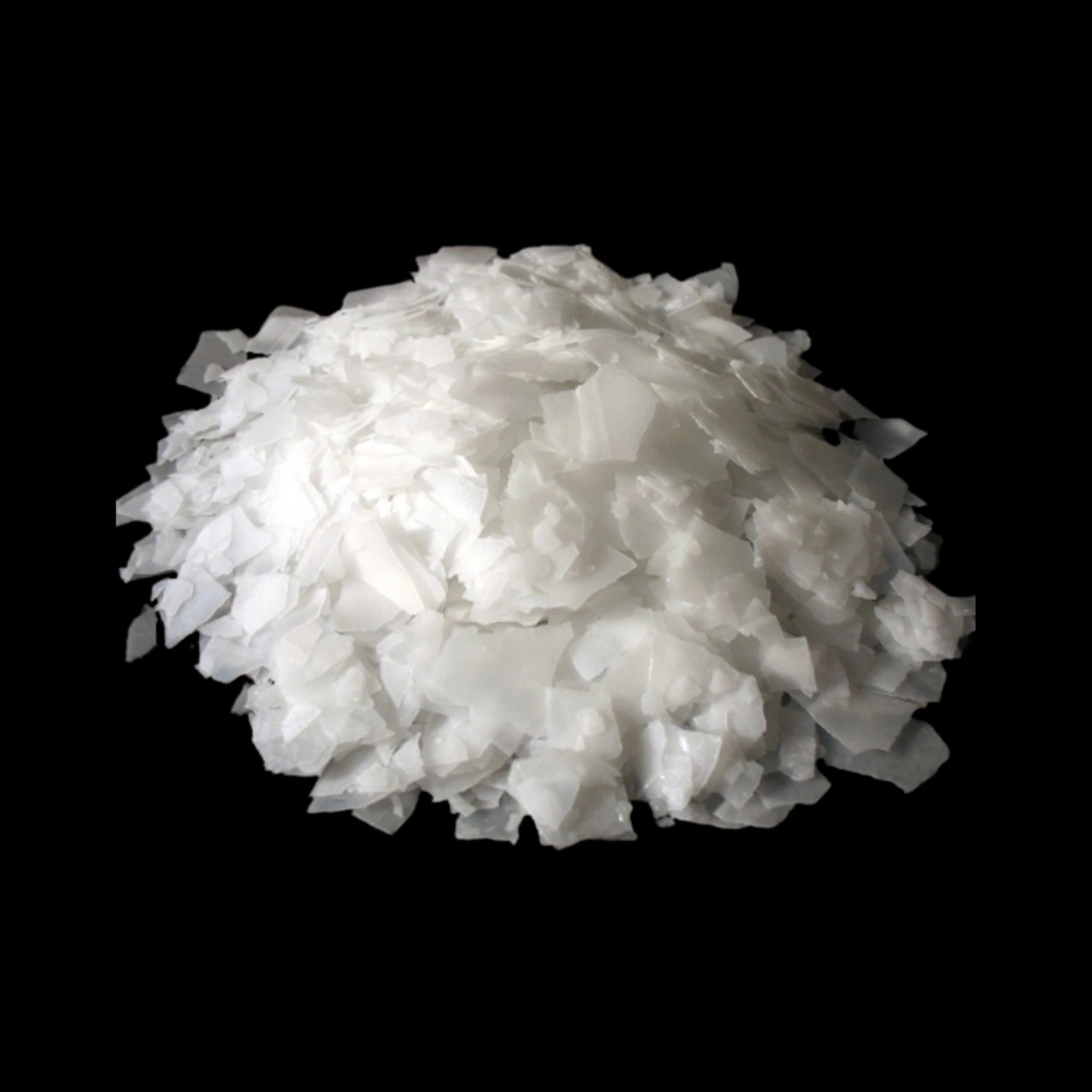
Caustic soda, widely used in alumina refining, pulp and paper manufacturing, textiles, water treatment and numerous chemical processes.
Chlorine, which serves as a key raw material for PVC, water treatment chemicals and many industrial intermediates.
Hydrogen, which is recovered and used in various industrial applications.
Because these products are generated together, market conditions affecting one product often influence the entire production system.
Why Construction Activity Matters
Construction is one of the largest end markets for PVC.
PVC is widely used in:
Pipes and fittings for water and drainage systems.
Window profiles and doors.
Electrical conduit and cable insulation.
Flooring, roofing membranes and construction materials.
When construction activity slows, PVC manufacturers generally reduce production to match lower demand. As chlorine is an essential feedstock for PVC manufacturing, chlorine consumption also declines.
This change creates a ripple effect throughout the chlor-alkali industry.
The Causal Chain Behind Caustic Soda Supply
The relationship between construction and caustic soda may appear indirect, but it follows a logical production sequence.
A typical market cycle develops as follows:
Construction activity weakens.
Demand for PVC products declines.
PVC manufacturers reduce chlorine purchases.
Chlor-alkali producers lower plant operating rates.
Caustic soda production also declines because it is co-produced with chlorine.
This explains why caustic soda supply can tighten even when industries such as alumina, pulp and paper or textiles continue purchasing normal volumes.
For procurement professionals, understanding this production link is essential when evaluating supply conditions.
Why Producers Cannot Simply Make More Caustic Soda
Unlike many industrial chemicals, caustic soda production cannot easily be increased independently of chlorine output.
If chlorine demand remains weak, operating chlor-alkali plants at higher rates would generate excess chlorine that may not have an immediate market.
As a result, producers often optimise operations based on overall market demand rather than the requirements of a single product.
This operational constraint makes the chlor-alkali market unique compared with many other commodity chemicals.
Industries That Should Monitor Chlorine Demand
Many industrial buyers focus only on developments within their own sectors.
However, companies purchasing caustic soda should also follow industries that consume chlorine because they influence overall production levels.
Important sectors include:
PVC manufacturing for construction applications.
Infrastructure development.
Residential and commercial building activity.
Industrial construction projects.
Vinyl product manufacturing.
Monitoring these industries provides valuable early indicators of future chlor-alkali operating rates.
Inventory Management During Market Weakness
When chlorine demand weakens, chlor-alkali producers must carefully balance production with customer requirements.
Common strategies include:
Lowering operating rates to match market demand.
Prioritising supply for long-term contract customers.
Managing inventories across production and distribution networks.
Scheduling maintenance during periods of weaker demand.
Industrial buyers should recognise that these adjustments may affect product availability even if direct demand for caustic soda remains relatively stable.
Procurement Strategies for Caustic Soda Buyers
Understanding the chlorine-caustic relationship allows procurement teams to make more informed purchasing decisions.
Practical steps include:
Monitoring construction and PVC market trends alongside caustic soda prices.
Diversifying suppliers across different production regions.
Reviewing inventory policies before seasonal demand changes.
Maintaining regular communication with strategic suppliers regarding operating rates.
Evaluating contract structures that improve supply continuity during periods of reduced production.
These measures help reduce procurement risk while improving long-term sourcing resilience.
What Buyers Should Watch Through 2027
The chlor-alkali market demonstrates how interconnected chemical supply chains have become. Weak construction activity does not only affect building materials. It also reduces PVC demand, lowers chlorine consumption and ultimately limits caustic soda production because both products are manufactured together.
For procurement professionals in alumina, pulp and paper, textiles and other caustic soda-consuming industries, monitoring downstream construction trends is now an essential part of supply planning. Buyers who understand this causal chain will be better prepared to anticipate changes in availability, negotiate supply agreements and manage inventory through future market cycles.
Ready to source caustic soda from verified global suppliers? Explore competitive offers on our platform today.