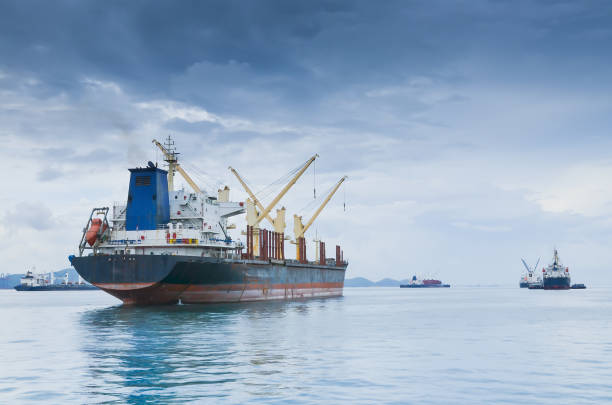
The Strait of Hormuz, a narrow waterway through which nearly a tenth of the world’s oil passes, has become a flashpoint once again. The formal collapse of a ceasefire agreement that had kept tensions at bay has effectively reopened the Hormuz shipping crisis. Shipping lanes that were once relatively calm are now seen as potential chokepoints for maritime security, chemical shipping, and tanker logistics.
When the ceasefire collapsed, naval patrols in the Gulf increased dramatically. The heightened presence of military vessels has forced shipping companies to reroute their vessels around the Persian Gulf, adding several hundred nautical miles to their journeys. This detour increases fuel consumption and time, directly affecting the cost structure of freight markets.
Freight Rate Surge
Freight rates have spiked by an estimated 30% for oil tankers navigating through the area. The surge is driven by the perceived risk of piracy, blockades, or military confrontation. Insurance premiums for voyages that pass near Hormuz have also seen a sharp rise, further inflating shipping costs.
Challenges for Tanker Logistics
Tanker operators face a dual challenge: higher operational costs and stricter regulatory scrutiny. The International Maritime Organization now requires additional security measures for vessels passing through the Strait, including armed escorts and real‑time intelligence sharing. These requirements push logistics planning into a more complex, expensive arena.
Operational Adjustments
To mitigate risk, many shipping companies have adopted the following strategies:
Deploying armed guard vessels alongside civilian tankers.
Shifting cargoes to alternative ports in the Indian Ocean.
Increasing the duration of voyages to accommodate slower speeds for safety.
Chemical Shipping and Fertilizer Logistics
The crisis does not only affect crude oil. Chemical shipping, especially of hazardous materials such as fertilizers, is now under scrutiny. The Strait of Hormuz is a critical corridor for the movement of nitrogen and phosphate salts that feed global agriculture.
Supply Chain Disruption
Farmers in Europe and Asia are already feeling the pinch. A 10% delay in fertilizer shipments can push planting windows back, reducing crop yields. The pharmaceutical and food industries, which rely on timely delivery of raw materials, face shortages that could translate into higher consumer prices.
Maritime Security Dynamics
Security agencies have heightened their monitoring of the area. The United Nations has called for an international peacekeeping presence in the Gulf to deter further escalation. However, such measures come with political costs and may not be fully implemented in the short term.
Long-Term Implications
In the long run, the collapse of the ceasefire could:
Encourage the development of alternative energy routes, such as the Suez Canal or new pipelines.
Prompt shipping companies to invest in more advanced navigation technologies to reduce risk.
Influence global commodity prices beyond the oil market.