Celanese's Singapore Nylon 6,6 Exit Redirects Regional Trade Flows
Celanese confirmed in May 2026 that it will shut down its nylon 6,6 polymerization unit at Sakra, Singapore, running the plant through the end of July before a full closure. The move is part of the company's Grow and Fortify strategy for its Engineered Materials division and comes alongside optimization of its North American nylon 6,6 assets in Richmond, Virginia and Washington, West Virginia. For buyers across Southeast Asia who relied on Sakra as a regional source, the shutdown forces an immediate look at alternative supply.
Nylon 6,6 is not a niche material. It feeds automotive components, electrical connectors, industrial parts and consumer textiles, so a single plant closure ripples across several buyer categories at once.
What the Sakra Closure Actually Changes
The Sakra unit has served as one of the few nylon 6,6 polymerization sites based directly in Southeast Asia rather than shipped in from further afield. Once it stops running, customers in the region lose a local production point and shift toward suppliers based in Northeast Asia, Europe or North America.
Celanese has said the transition will be staged rather than abrupt, giving customers a window through the July 2026 shutdown date to secure alternative contracts. That window matters more for buyers than the closure itself.
A few things procurement teams are watching closely:
Lead time changes. Sourcing from China, South Korea or Japan instead of a nearby Singapore facility adds shipping days that need to be built into production schedules.
Contract renegotiation. Existing offtake agreements tied to Sakra volumes will need new terms with a different supplier base.
Grade continuity. Not every alternative producer offers the exact same nylon 6,6 grade specifications, so qualification testing may be required before switching.
Why China and Northeast Asia Sit at the Center of This Shift
Asia Pacific already accounts for the largest share of global nylon 6 and nylon 6,6 demand, driven mainly by automotive and electronics manufacturing in China and India. China in particular has built out substantial nylon 6 capacity tied to domestic caprolactam production, giving it an edge on cost and availability even as nylon 6,6 remains a more specialized, higher margin segment.
That split matters for buyers. Nylon 6, made from caprolactam, tends to be a higher volume, lower margin commodity dominated by Chinese producers. Nylon 6,6, made through adiponitrile and hexamethylenediamine, sits closer to the engineering plastics side of the market and carries fewer producers overall.
Buyers displaced from Sakra are not simply swapping one supplier for another interchangeable one. They are often choosing between:
Regional Chinese producers offering competitive pricing but requiring separate qualification for nylon 6,6 grades.
Established Western suppliers with proven specification consistency but longer shipping lanes into Southeast Asia.
Domestic ASEAN compounders who convert imported nylon 6,6 resin locally, adding a processing layer rather than solving the raw material sourcing gap directly.
Price and Sourcing Pressure Through the Transition
The Sakra closure lands at a moment when regional nylon markets are already dealing with heavy competitive pressure from Chinese imports. That existing price sensitivity means the loss of a Southeast Asian production point could push buyers toward whichever supplier offers the fastest qualification path rather than the lowest headline price.
North American nylon 6,6 optimization at Richmond and Washington plants is expected to reduce Celanese's overall polymer production capacity, not just shift it. That is a meaningful signal. It means the company is not fully replacing Sakra's output elsewhere in its own network, so some of that demand has to land with other producers entirely.
For buyers this creates a narrower window to lock in supply before qualified alternatives become harder to secure. Traders who move early on requalification testing and contract terms will be in a stronger position than those who wait until closer to the July shutdown date.
Applications Feeling the Shift First
Not every nylon 6,6 buyer feels this equally. Sectors with tighter specification requirements or shorter production cycles are likely to notice supply changes sooner than others.
Automotive components, especially under-the-hood parts requiring heat resistant engineering plastics, often need long qualification cycles for any new supplier.
Electrical and electronics connectors, where consistency in polymer grade affects insulation performance and safety certification.
Industrial and consumer textiles, a more commodity-driven segment where switching suppliers tends to be faster but margins are thinner.
Buyers in automotive and electronics will likely feel the most pressure to act early, given how long requalification typically takes for engineering grade nylon 6,6.
What Procurement Teams Should Do Now
The Sakra closure is a reminder that regional production points can disappear even from established suppliers restructuring around cost and competitiveness rather than crisis. Buyers who treated Singapore as a stable regional anchor now need a broader supplier map.
Practical steps worth taking before the July 2026 shutdown:
Start requalification testing with backup suppliers now rather than waiting for the closure date.
Review existing contracts tied to Sakra volumes and confirm renegotiation timelines with Celanese directly.
Compare landed cost and lead time across Chinese, Northeast Asian and Western supply routes rather than defaulting to the nearest option.
Build in buffer inventory where production schedules allow, particularly for automotive and electronics grade material.
The shutdown itself is not a supply crisis. It is a sourcing puzzle with a fixed deadline, and the buyers who solve it early will avoid the scramble that tends to hit procurement teams who wait.
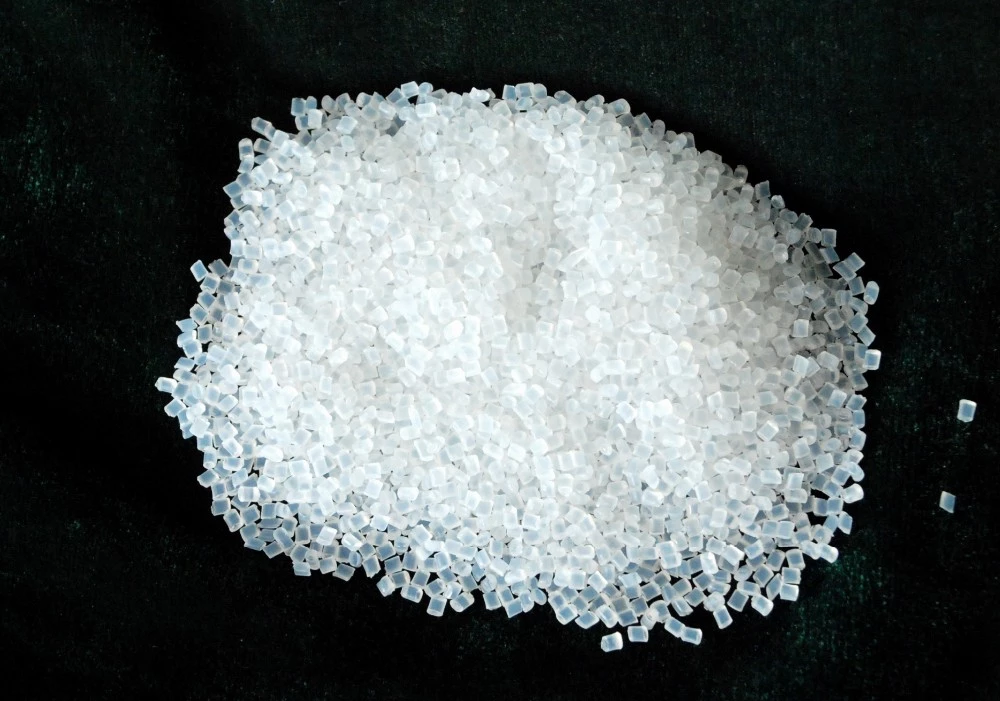
Nylon 6
Found this useful?