Chemical Container Labelling: GHS Classification and Hazard Communication
Chemical Container Labelling: GHS Classification and Hazard Communication
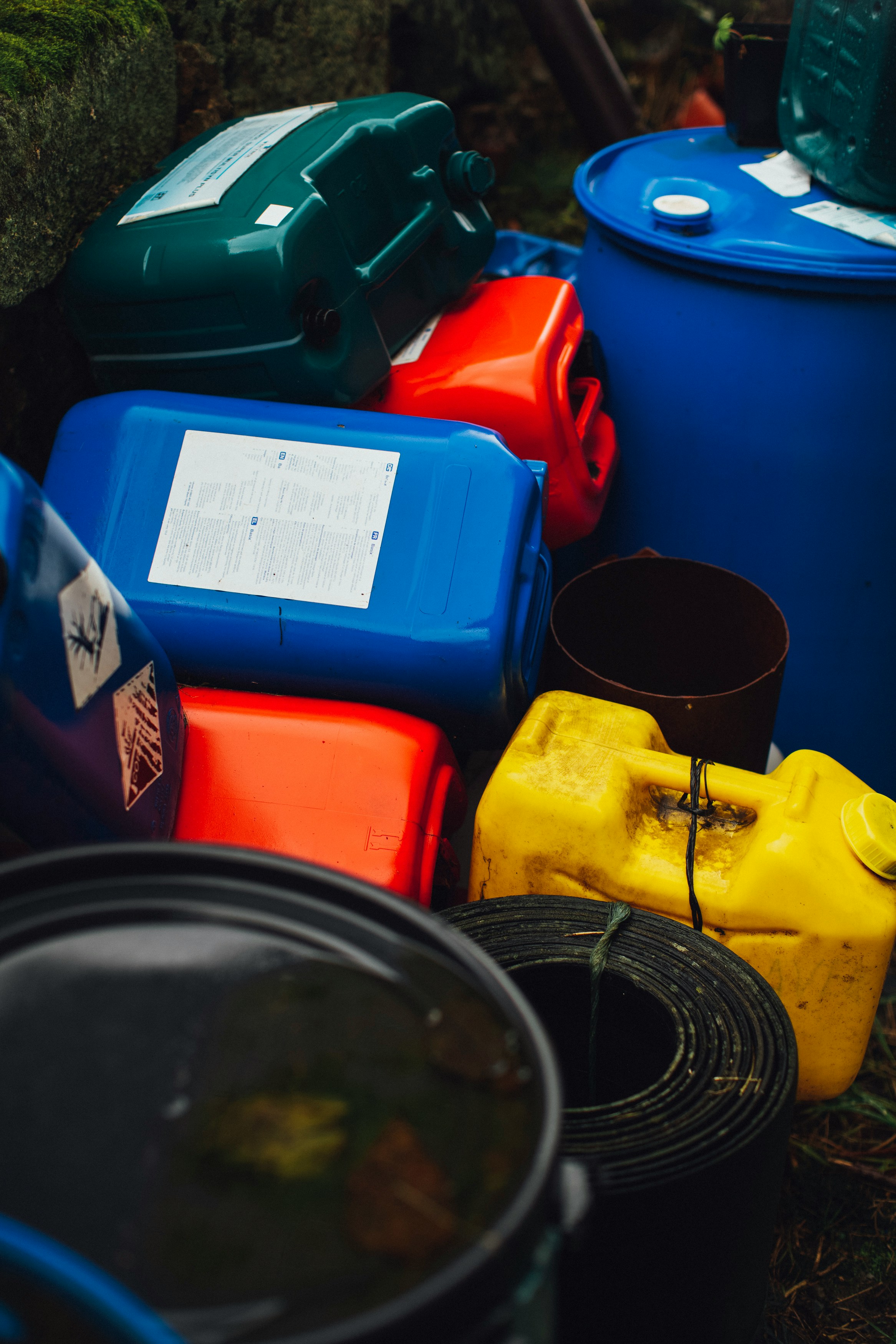
Chemical container labelling is an essential part of chemical safety, helping manufacturers, distributors, transporters, and industrial users identify hazardous substances and understand the risks associated with their handling, storage, and use. In the global chemical industry, clear and consistent labelling is particularly important because chemicals frequently cross international borders and pass through multiple stages of the supply chain.
The Globally Harmonized System of Classification and Labelling of Chemicals (GHS) provides an internationally recognized framework for classifying chemical hazards and communicating safety information through labels and safety data sheets (SDSs). By following applicable GHS-based requirements, businesses can improve workplace safety, support regulatory compliance, and reduce the risk of chemical exposure, accidents, and handling errors.
What Is the Globally Harmonized System (GHS)?
The Globally Harmonized System of Classification and Labelling of Chemicals, developed under the United Nations framework, establishes standardized criteria for identifying physical, health, and environmental hazards associated with chemicals.
Before harmonized approaches were developed, different countries and regulatory systems often used different classification methods, symbols, and warning statements. This created challenges for chemical manufacturers and exporters supplying products to multiple markets.
GHS helps address these differences by providing a common framework for hazard classification, label elements, and safety data sheets. However, GHS is not automatically a single worldwide law. Individual countries and regions implement its provisions through their own legislation, and requirements can vary by jurisdiction, product type, and intended use.
For chemical suppliers, exporters, and distributors, understanding the applicable national requirements is essential when preparing labels for international shipments.
Why Chemical Container Labelling Matters
Chemical labels communicate important safety information at the point where a product is stored, transported, or used. A well-designed label helps workers and downstream customers recognize hazards before opening or handling a container.
Effective labelling offers several important benefits:
Improved workplace safety: Workers can identify hazardous properties and follow appropriate precautions.
Regulatory compliance: Correct labels help businesses meet applicable chemical safety and hazard communication requirements.
Safer transportation and storage: Clear identification supports appropriate handling and segregation of incompatible chemicals.
Better emergency response: Hazard statements and product identification help personnel respond appropriately to spills, exposures, and other incidents.
Stronger international trade operations: Consistent product information helps exporters, importers, and distributors manage chemical shipments across markets.
Reduced handling errors: Accurate labels help prevent confusion between products with similar appearances or different hazard profiles.
Chemical container labelling should be treated as part of a broader safety system that includes employee training, suitable storage facilities, risk assessments, and accessible safety data sheets.
Key Elements of a GHS Chemical Label
A GHS-based label contains standardized information that communicates the identity and hazards of a chemical. The exact elements required depend on the chemical's classification and the applicable national regulations.
1. Product Identifier
The product identifier establishes the identity of the chemical or mixture. It should correspond with the identifier used in the safety data sheet and other relevant product documentation.
Depending on the product and applicable requirements, the identifier may include a chemical name, trade name, product code, or other appropriate identification information.
Accurate identification is particularly important for distributors handling multiple chemical grades, formulations, or concentrations.
2. Supplier Identification
Supplier information helps users identify the manufacturer, importer, or other responsible party.
Depending on the applicable regulatory framework, the label may need to include the supplier's name, address, and telephone number. This information supports traceability and allows customers to contact the responsible organization when additional safety information is required.
For exporters, supplier details should remain consistent across the product label, safety data sheet, and relevant shipping documentation.
3. Hazard Pictograms
GHS pictograms are standardized symbols used to communicate particular types of chemical hazards. They typically feature a black symbol on a white background enclosed within a red diamond-shaped border.
The nine GHS pictograms represent the following hazards:
Exploding bomb: Certain explosive substances and mixtures, self-reactive substances, and organic peroxides.
Flame: Flammable substances and other materials presenting specified fire-related hazards.
Flame over circle: Oxidizing substances that can intensify a fire.
Gas cylinder: Gases under pressure.
Corrosion: Certain substances that cause severe skin burns or eye damage, or are corrosive to metals.
Skull and crossbones: Certain forms of acute toxicity that can cause serious harm or death.
Exclamation mark: Selected hazards, including skin or eye irritation and harmful acute toxicity.
Health hazard silhouette: Certain serious health hazards, including carcinogenicity, respiratory sensitization, and specific target organ toxicity.
Environment: Certain hazards to aquatic life and the aquatic environment.
Not every chemical requires every pictogram. The symbols used depend on the substance's or mixture's hazard classification and the applicable regulations. Some regulatory systems do not require every GHS pictogram in all circumstances.
4. Signal Words
GHS labels use signal words to indicate the relative severity of the classified hazard.
Danger is used for more severe hazard categories, while Warning is used for less severe categories where the GHS specifies that signal word.
A label generally uses the applicable signal word determined by the classification rules. Where precedence rules apply, “Danger” takes priority over “Warning.”
These words help users recognize the seriousness of a hazard quickly, but they do not replace the detailed information provided by hazard and precautionary statements.
5. Hazard Statements
Hazard statements describe the nature of a chemical hazard and, where appropriate, its severity. They are assigned according to the chemical's classification.
For example, a label may state that a product is highly flammable, causes serious eye damage, or is harmful if inhaled, provided the statement matches the product's actual classification.
Using the correct hazard statements is essential because incorrect or incomplete wording can lead to unsafe handling decisions.
6. Precautionary Statements
Precautionary statements describe recommended measures for preventing or reducing harmful effects from chemical exposure, improper handling, or accidental release.
They may address:
Prevention, including appropriate protective equipment and safe handling practices.
Response, including actions to take following exposure or a spill.
Storage, including relevant temperature, ventilation, and security requirements.
Disposal, including appropriate methods for handling chemical waste.
These statements should be selected according to the chemical classification and applicable labelling rules rather than added arbitrarily.
Understanding GHS Hazard Classification
GHS classification determines which hazard pictograms, signal words, hazard statements, and precautionary statements are appropriate for a chemical.
Physical Hazards
Physical hazard classes cover properties that can create risks such as fires, explosions, or dangerous pressure-related incidents.
Examples include flammable liquids, oxidizing substances, explosives, gases under pressure, and certain self-reactive chemicals.
A chemical's physical hazard classification may depend on factors such as flash point, flammability, chemical stability, and test results. These characteristics influence storage arrangements, ignition-source controls, and handling procedures.
Health Hazards
Health hazard classifications communicate the potential effects of chemicals on human health.
Relevant hazard classes include acute toxicity, skin corrosion or irritation, serious eye damage, respiratory sensitization, carcinogenicity, reproductive toxicity, and specific target organ toxicity.
Classification depends on the available evidence and the applicable criteria. Manufacturers and importers must use appropriate data and established classification procedures rather than relying solely on a chemical's common name or intended application.
Environmental Hazards
Environmental classifications address specified harmful effects on the environment, including hazards to aquatic organisms.
These classifications can influence handling procedures, spill prevention, containment measures, and waste management practices. Environmental pictograms and requirements may differ between jurisdictions because not every country implements every GHS environmental provision in the same way.
The Role of Safety Data Sheets (SDSs)
A chemical label provides essential hazard information, while the safety data sheet offers more detailed guidance on safe handling, storage, exposure controls, and emergency response.
Under GHS-based frameworks, SDSs follow a standardized 16-section structure:
Identification
Hazard identification
Composition/information on ingredients
First-aid measures
Fire-fighting measures
Accidental release measures
Handling and storage
Exposure controls/personal protection
Physical and chemical properties
Stability and reactivity
Toxicological information
Ecological information
Disposal considerations
Transport information
Regulatory information
Other information, including preparation or revision details
The required information and format are subject to the relevant jurisdiction's implementation. Sections 12–15, for example, may be subject to different mandatory requirements under particular national rules.
Chemical suppliers should ensure that labels and SDSs are consistent, accurate, and appropriate for the destination market. Workers should also be trained to locate and interpret the relevant SDS information.
Chemical Container Labelling Across the Supply Chain
Chemical labelling requirements extend beyond manufacturing facilities. Different participants in the supply chain have responsibilities for maintaining accurate product identification and communicating hazards.
Manufacturers: Identify chemical hazards, prepare appropriate classifications, and provide required labels and safety documentation.
Importers: Verify that imported products meet the applicable requirements of the destination market, including any necessary classification, language, and labelling provisions.
Distributors: Maintain appropriate product identification and documentation and follow applicable obligations when relabelling or supplying chemicals.
Warehouses and industrial facilities: Keep labels legible and ensure workers can identify chemicals and access relevant safety information.
Transport operators: Follow applicable dangerous-goods transport requirements, which may include transport labels, markings, documentation, and packaging provisions in addition to workplace hazard communication requirements.
GHS workplace labels and transport labels serve related but distinct purposes. A chemical's transport classification should be assessed under the applicable transport regulations rather than inferred from its workplace label alone.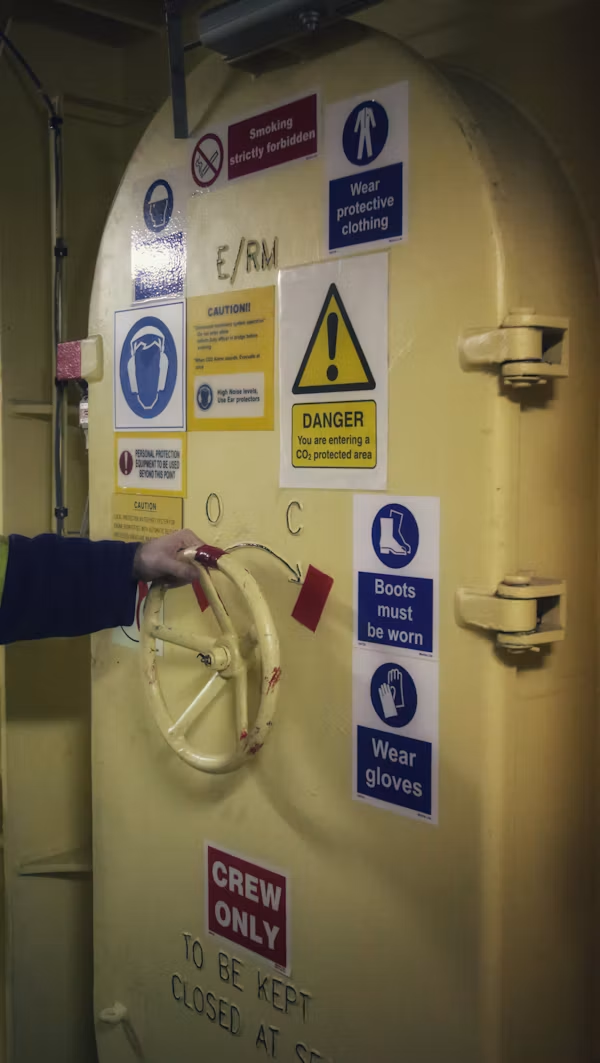
Common Chemical Labelling Mistakes
Labelling errors can create compliance problems and increase the likelihood of workplace incidents. Common issues include:
Using an incorrect product name or identifier.
Applying pictograms that do not match the hazard classification.
Omitting required hazard or precautionary statements.
Using outdated safety data sheets or inconsistent product information.
Allowing labels to become damaged, illegible, or detached.
Failing to provide required information in the appropriate language.
Transferring chemicals into secondary containers without adequate identification.
Confusing GHS workplace hazard labels with transport markings.
To prevent these problems, businesses should establish a documented labelling procedure, maintain controlled product records, review classification changes, and conduct periodic inspections of containers and storage areas.
When chemicals are transferred into secondary containers, the workplace must follow its applicable labelling rules. The exact requirements may depend on the container, how long the chemical will be stored, and how it will be used.
Best Practices for GHS Compliance
A structured approach to chemical hazard communication helps manufacturers and distributors maintain consistent labelling practices.
Verify classification data: Use reliable physical, toxicological, and environmental information to classify substances and mixtures under the applicable rules.
Standardize label templates: Use controlled templates to maintain consistency across products, while ensuring that each label reflects its specific classification.
Keep documentation aligned: Check that product identifiers, hazard statements, precautionary statements, and supplier details agree across labels and SDSs.
Review destination-market requirements: Confirm the applicable national implementation of GHS, required languages, label formats, and any additional local obligations.
Train employees: Ensure that workers understand pictograms, signal words, hazard statements, protective measures, and emergency procedures.
Inspect labels regularly: Replace damaged or unreadable labels and verify that container contents match the product identification.
Maintain revision control: Update labels and safety data sheets when new hazard information or applicable regulatory changes require revisions.
These practices help chemical businesses improve safety, reduce labelling errors, and maintain more reliable supply-chain documentation.
The Importance of GHS Labelling in International Chemical Trade
For international chemical suppliers, correct labelling is both a safety responsibility and an important part of market access. Importers and downstream customers depend on accurate hazard information to receive, store, handle, and use products appropriately.
Inconsistent labelling can result in shipment delays, additional documentation requirements, relabelling costs, or regulatory enforcement. The consequences depend on the applicable jurisdiction, product, and nature of the non-compliance.
Chemical exporters should therefore verify destination-market requirements before dispatch, confirm that labels and SDSs contain consistent information, and coordinate with importers when local language or regulatory adaptations are needed.
As chemical supply chains become more interconnected, standardized hazard communication supports safer handling and clearer communication between manufacturers, distributors, logistics providers, and end users.
Future Outlook for Chemical Container Labelling
Chemical hazard communication continues to evolve as international standards are revised and countries update their implementing regulations. Businesses must monitor these developments and determine whether changes affect their classification procedures, product labels, safety data sheets, or employee training.
Digital product records, centralized SDS management, and automated label-generation systems can also help chemical companies maintain consistency across large product portfolios. However, digital tools complement rather than replace the need for accurate hazard classification, compliant physical labels, and effective worker training.
For chemical manufacturers, importers, and distributors, investing in reliable labelling processes supports workplace safety, regulatory compliance, and efficient international trade. Accurate GHS classification and hazard communication remain essential throughout the chemical product lifecycle.
Source Links
United Nations Economic Commission for Europe (UNECE) – Globally Harmonized System of Classification and Labelling of Chemicals (GHS): https://unece.org/transport/dangerous-goods/ghs-rev10-2023
Occupational Safety and Health Administration (OSHA) – Hazard Communication Overview: https://www.osha.gov/hazcom/
OSHA – Hazard Communication Frequently Asked Questions: https://www.osha.gov/hazcom/faq
OSHA – GHS Label Elements and Allocation Requirements: https://www.osha.gov/hazcom/appendix-c
United Nations – GHS Tenth Revised Edition: https://digitallibrary.un.org/record/4030607
United Nations Institute for Training and Research (UNITAR) – Understanding the Globally Harmonized System: https://unitar.org/sites/default/files/media/file/GHS%20Companion%20Guide%20-%2012.7.2024%20FINAL.pdf
2-Ethylhexyl Acrylate
Found this useful?