
Chemical Deal Activity Shifts Toward Durable Margin Assets
Chemical Deal Activity Shifts Toward Durable Margin Assets
Chemical mergers and acquisitions are experiencing a structural reset as investors move away from broad cyclical recovery bets. Market participants now face an environment where transaction volume remains measured, but capital flows heavily toward high-quality operations. Strategic buyers and selective private equity firms concentrate their resources on targets that demonstrate true pricing power and robust operational controls. This shift alters how chemical producers structure divestments and how procurement leaders evaluate long-term supply stability.
Evaluating target assets requires rigorous underwriting standards amid ongoing macroeconomic fluctuations. Buyers refuse to pay for peak-cycle earnings, focusing instead on normalized, through-cycle performance metrics. Companies possessing differentiated technologies and strong customer integration continue to command premium valuations.
The Flight to Margin Resilience
Market volatility forces dealmakers to prioritize assets capable of withstanding cost inflation and shifting demand curves. Specialty chemical platforms in sectors like advanced coatings, water treatment, and nutrition attract intense competition because of their defensible market positions.
Defensive end-market exposure protects profitability during broader economic slowdowns.
Proprietary formulation know-how creates high barriers to entry for competitors.
Pricing flexibility allows producers to pass raw material cost increases downstream.
Commodity-heavy assets face deeper valuation discounts due to lingering energy pressures and overcapacity concerns. Investors demand clear evidence of structural cost advantages before committing capital to basic chemical portfolios. Margin durability acts as the primary filter for determining which manufacturing assets successfully transition to new ownership.
Portfolio Rationalization and Carve-Out Readiness
Corporate restructuring remains a major driver of transaction flow as large players shed non-core operations. Diversified chemical groups actively streamline their portfolios to focus on core competencies. However, selling non-core units demands meticulous preparation before hitting the market.
Sellers must present clean, verifiable financial and operational data to reduce buyer friction.
Efficient stand-up plans ensure separated entities can operate independently from day one.
Credible value-creation roadmaps convince skeptical buyers of future growth potential.
Transactions lacking transparent separation frameworks frequently stall during the due diligence phase. Buyers require absolute clarity regarding supply agreements, site services, and environmental liabilities. Execution readiness separates successful divestments from protracted, failed processes.
Reshaping Global Trade Relationships
As capital concentrates on secure, high-margin assets, international trade patterns adapt to match investor preferences. Cross-border investments increasingly favor regions with stable energy supplies and predictable regulatory frameworks. Importers and exporters must align their commercial strategies with these evolving corporate ownership structures.

Consolidation among top-tier producers alters supply availability for downstream manufacturing industries. Procurement teams must track ownership changes closely to anticipate potential shifts in product availability or pricing policies. Strategic partnerships and regional sourcing networks help mitigate the uncertainties brought by corporate repositioning.
Strategic Realignment for Procurement Teams
Chemical buyers and procurement managers must look beyond traditional spot-market pricing to navigate the current M&A landscape. Understanding asset ownership helps predict supplier reliability and long-term investment in production quality. Engaging with well-capitalized manufacturers ensures greater continuity across critical material streams.
Ready to source Basic Chromium Sulphate from verified global suppliers? Explore competitive offers on our platform today.
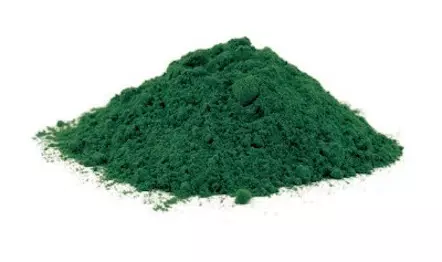
Basic Chromium Sulphate
Found this useful?