
Chemical Industry Digitalization: AI, Automation and Smart Manufacturing Trends
Chemical manufacturers are entering a new phase of industrial transformation where data, artificial intelligence and automation increasingly shape how production facilities operate. Chemical industry digitalization is becoming a strategic priority as companies seek greater efficiency, more consistent product quality and improved resilience against market disruptions.
Traditional manufacturing systems rely heavily on established operating procedures, manual monitoring and periodic equipment inspections. Digital technologies are changing this approach by connecting production equipment, laboratory systems, enterprise software and supply chain platforms into a more integrated operating environment.
For chemical traders, procurement managers and industrial buyers, these developments matter beyond the factory floor. Digitalization influences product availability, manufacturing lead times, quality assurance, cost management and the ability of suppliers to respond to changing customer requirements.
AI Is Reshaping Chemical Manufacturing Operations
Artificial intelligence is moving beyond experimental applications into practical manufacturing activities. Chemical producers can use AI to analyze historical production records, process variables, equipment performance and quality data to identify patterns that traditional monitoring methods may overlook.
One important application is process optimization. AI models can evaluate operating conditions such as temperature, pressure, reaction time and feedstock composition to help engineers identify more efficient production parameters. This can support consistent output while reducing unnecessary energy consumption and material losses.
AI also supports faster decision-making in complex production environments. Instead of relying exclusively on periodic reports, production teams can access analytical insights based on continuously updated operational information.
Key applications include:
Production forecasting: AI models help estimate production requirements based on historical demand, current orders and market conditions.
Quality prediction: Analytical systems identify patterns associated with product variations and help operators intervene before quality problems become widespread.
Process optimization: Machine learning evaluates operating variables to identify opportunities for improved yield, energy efficiency and throughput.
Research and development: AI supports chemical discovery, formulation screening and analysis of experimental results, potentially shortening development cycles.
Operational decision support: AI-assisted systems help engineers interpret complex information and evaluate possible adjustments to manufacturing processes.
These capabilities are especially valuable for manufacturers handling multiple grades, formulations or production lines. Better analytical visibility can help companies respond to changing specifications without relying entirely on lengthy manual analysis.
Smart Manufacturing and Connected Industrial Systems
Smart manufacturing combines connected equipment, industrial software, sensors and automated controls to create a more coordinated production environment.
The Industrial Internet of Things (IIoT) plays a central role. Sensors installed across reactors, pumps, compressors, storage tanks and processing equipment collect operational information that manufacturers can use to monitor production conditions.
This connectivity creates several advantages:
Real-time monitoring: Operators can track critical process variables and equipment status through centralized monitoring systems.
Improved visibility: Connected equipment provides a clearer picture of operations across production lines and manufacturing sites.
Faster response: Automated alerts help personnel identify abnormal operating conditions and investigate issues earlier.
Integrated operations: Manufacturing data can connect with inventory, planning, maintenance and enterprise resource management systems.
Smart manufacturing does not necessarily require replacing an entire facility. Manufacturers can gradually introduce digital systems into existing infrastructure, allowing them to modernize selected production processes while maintaining established assets.
The World Economic Forum's Smart Factory Ecosystem framework emphasizes integrated digital capabilities rather than isolated technology deployments. This approach connects production, supply chains, research and development and sustainability initiatives into a broader transformation strategy.
Predictive Maintenance and Industrial Automation
Equipment reliability remains a major concern for chemical manufacturers. Unexpected equipment failures can interrupt production schedules, affect product availability and increase maintenance costs.
Predictive maintenance uses sensor readings, historical maintenance records and equipment performance data to identify warning signs before a failure occurs. AI models can help detect changes in vibration, temperature, pressure or operating patterns that indicate developing equipment problems.
Unlike conventional maintenance schedules that depend primarily on fixed intervals, predictive approaches allow maintenance teams to prioritize inspections according to equipment condition.
Industrial automation complements these systems by handling repetitive or precision-dependent activities through programmed machinery and control technologies.
Common applications include:
Automated material handling and transfer systems
Robotic packaging, palletizing and warehouse operations
Automated sampling and laboratory testing
Computerized process control and equipment monitoring
Digital maintenance planning and work order management
Automation can improve consistency and reduce unnecessary manual intervention. However, chemical manufacturing still requires trained personnel to supervise operations, assess unusual conditions and maintain safety standards.
Digital Twins and Advanced Process Simulation
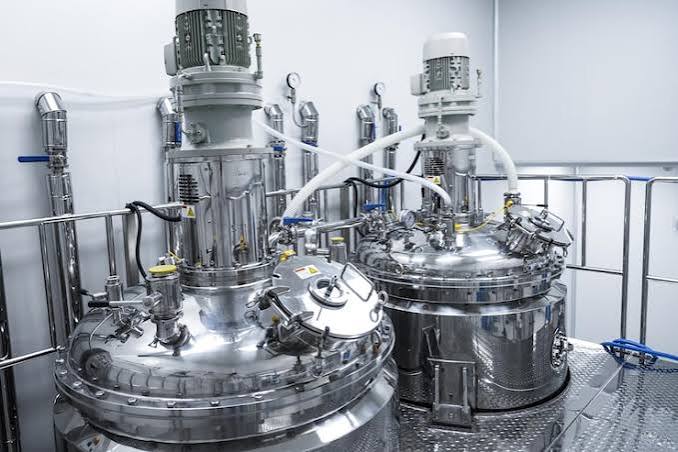
Digital twins are virtual representations of physical assets, production processes or entire manufacturing systems. They use operational data and engineering models to simulate how real equipment behaves under different conditions.
Chemical manufacturers can apply digital twins to evaluate process changes without immediately introducing them into live production. Engineers can explore how adjustments to feedstock composition, operating parameters or equipment configuration might influence output and efficiency.
Potential applications include:
Process simulation: Manufacturers model complex chemical processes to assess operating conditions and identify possible improvements.
Equipment performance analysis: Digital representations help engineers examine equipment behavior, identify bottlenecks and plan maintenance activities.
Production planning: Virtual models support evaluation of capacity utilization, scheduling changes and operational constraints.
New facility design: Engineers can simulate production layouts and process interactions before committing to major construction or equipment investments.
Digital twins are particularly relevant to capital-intensive chemical facilities where operational changes require careful evaluation. They can also support collaboration between engineering, production and maintenance teams by providing a shared representation of plant operations.
Digitalization Across Chemical Supply Chains
Digital transformation extends beyond manufacturing. Chemical companies increasingly connect procurement, production planning, inventory management, logistics and customer service through integrated information systems.
This development is particularly important for international chemical trading, where transactions involve multiple suppliers, transport providers, regulatory requirements and documentation processes.
Digital supply chain systems can help companies:
Monitor inventory levels and material availability across warehouses.
Improve demand forecasting using sales history and market information.
Coordinate procurement activities with production schedules.
Track shipments and improve visibility into delivery timelines.
Manage product specifications, safety documentation and supplier records.
Identify supply disruptions and evaluate alternative sourcing options.
For chemical traders, improved access to supplier and logistics information can support more informed purchasing decisions. Importers and exporters can also benefit from better coordination of documentation, shipment planning and customer communication.
Digital platforms increasingly connect commercial operations with manufacturing information, allowing buyers to obtain clearer insights into production capacity and order status.
Cybersecurity and Data Integration Challenges
As chemical manufacturers connect more equipment and business systems, cybersecurity becomes an essential part of digital transformation.
Industrial facilities often operate a combination of legacy control systems, modern enterprise applications and specialized production software. Integrating these systems can create technical complexity and introduce new vulnerabilities if companies do not establish appropriate security controls.
Major challenges include:
Legacy infrastructure: Older equipment may not support modern connectivity or integration standards, making upgrades more complicated.
Data fragmentation: Production information often exists across separate systems, limiting visibility and complicating analysis.
Cybersecurity risks: Connected industrial environments require protection against unauthorized access, operational disruption and data breaches.
Implementation costs: Digital infrastructure, software integration and ongoing maintenance require substantial investment.
Workforce readiness: Employees need appropriate training to work confidently with new systems and analytical tools.
Manufacturers should prioritize secure architecture, access controls, network segmentation, regular system updates and employee awareness. Cybersecurity planning should begin before connecting operational technology to wider corporate networks.
Sustainability and Resource Efficiency Through Digital Tools
Digitalization can also support environmental performance by improving visibility into energy consumption, emissions, water usage and material efficiency.
Chemical production often involves energy-intensive processes and complex resource requirements. Digital monitoring allows manufacturers to examine consumption patterns at the equipment, process or facility level rather than relying exclusively on aggregate reporting.
AI-powered analytics can identify opportunities to reduce unnecessary energy use, optimize production conditions and improve resource allocation. Process simulation can also help engineers evaluate alternatives that support lower-carbon production.
Digital tools may contribute to sustainability initiatives through:
Monitoring electricity, steam, fuel and water consumption.
Identifying process inefficiencies that increase material losses.
Tracking emissions across production activities.
Supporting waste reduction through improved process control.
Evaluating resource requirements during product development.
Improving traceability for sustainability reporting and customer requirements.
The combination of digital technologies and sustainability initiatives creates opportunities for chemical manufacturers to improve operational performance while addressing environmental objectives. Research published by Cefic and Arthur D. Little also highlights the role of digital technologies in supporting sustainability across the chemical industry.
What Digitalization Means for Chemical Buyers and Traders
The benefits of digital manufacturing can extend throughout the chemical supply chain. Buyers increasingly expect suppliers to provide accurate product information, reliable delivery schedules, consistent quality and transparent communication.
Manufacturers with stronger digital capabilities may be better positioned to respond to these expectations through improved planning and operational visibility.
For procurement teams, several developments deserve attention:
Supplier reliability: Digital production monitoring and predictive maintenance can help manufacturers identify operational risks and plan maintenance activities more effectively.
Product quality consistency: Automated process controls and digital quality management systems can improve monitoring across manufacturing batches.
Lead time visibility: Integrated planning and inventory systems may help suppliers communicate production schedules and material availability more accurately.
Documentation management: Digital systems can streamline access to technical specifications, certificates of analysis and safety documentation.
Demand responsiveness: AI-supported forecasting can help manufacturers align production capacity with customer requirements and changing demand patterns.
These capabilities do not automatically guarantee better supplier performance. Procurement teams should continue evaluating quality standards, production capabilities, documentation practices, delivery history and commercial terms when selecting suppliers.
Building a Practical Digitalization Strategy
Chemical manufacturers do not need to implement every emerging technology simultaneously. A structured approach can help companies prioritize investments according to operational needs, available resources and expected business outcomes.
A practical transformation roadmap includes the following stages:
Assess digital maturity. Review existing equipment, software, data quality, workforce capabilities and integration gaps.
Identify operational priorities. Focus on measurable challenges such as equipment downtime, quality variation, energy consumption or inventory inefficiencies.
Select targeted applications. Begin with suitable use cases, such as predictive maintenance, automated quality monitoring or demand forecasting.
Strengthen data infrastructure. Establish reliable data collection, integration standards, governance practices and cybersecurity controls.
Develop workforce capabilities. Train engineers, operators, maintenance teams and commercial personnel to use digital systems effectively.
Measure performance. Track relevant indicators such as production yield, maintenance costs, energy intensity, delivery reliability and quality consistency.
Scale successful initiatives. Expand solutions that demonstrate measurable benefits and adapt them to other facilities or business functions.
Industry research from the Confederation of Indian Industry highlights leadership commitment, talent development, operating models, data infrastructure and technology as important elements of digital transformation.
The Road Ahead for Chemical Industry Digitalization
Chemical industry digitalization is moving toward increasingly connected and intelligent manufacturing environments. AI, industrial automation, digital twins and advanced analytics will continue to influence how companies develop products, manage production assets and coordinate supply chains.
The next phase will likely emphasize integration rather than isolated technology adoption. Manufacturers that connect operational data with commercial planning, research and development, procurement and sustainability management can develop a more comprehensive understanding of their businesses.
For chemical traders and industrial buyers, these changes create new opportunities to evaluate supplier capabilities, improve sourcing visibility and strengthen commercial relationships with manufacturers.
The most successful digital transformation strategies will combine technology investment with practical operational goals, workforce development and responsible data management.

Polyacrylamide
Found this useful?