Chemical Market Trends 2027: Emerging Demand, Pricing Shifts, and Global Trade Dynamics
Chemical markets are entering 2027 with a complex mix of changing demand, uneven production costs and shifting international trade flows. For procurement managers, importers, exporters and chemical traders, the challenge will be to distinguish genuine demand growth from temporary price movements and changes in inventory levels.
The chemical market trends for 2027 will depend on several interconnected forces, including industrial production, feedstock availability, energy costs, regional capacity expansion and trade policy. Some markets may offer stronger purchasing opportunities as competition increases, while others could face tighter availability because of production disruptions or logistical constraints.
Recent industry data illustrates this uneven environment. According to the European Chemical Industry Council (Cefic), China accounted for 46% of global chemical sales while Europe's share stood at 13% in its 2025 industry report. These differences highlight how production scale, operating costs and regional investment can influence the competitive position of chemical suppliers.
1. Chemical Market Trends 2027: What Is Changing?
The chemical industry supplies essential inputs to agriculture, construction, automotive manufacturing, food processing, pharmaceuticals, personal care and countless other sectors. Demand therefore depends on the performance of downstream industries rather than on a single global market cycle.
As companies prepare for 2027, several developments deserve close attention:
Uneven industrial demand: Construction, automotive and consumer goods may recover at different rates across regions, creating varied purchasing requirements for chemicals and polymers.
Persistent capacity competition: Producers with substantial manufacturing capacity may compete aggressively for customers when demand fails to absorb available supply.
Changing sourcing priorities: Buyers increasingly need to weigh supplier reliability, delivery schedules and regional exposure alongside quoted prices.
Greater price sensitivity: Manufacturers facing pressure on margins may renegotiate contracts, adjust inventory levels or switch to technically suitable alternatives.
Investment in new technologies: Digital procurement, process efficiency and lower-impact production methods may influence how suppliers compete for business.
These developments do not affect every chemical equally. Commodity chemicals often respond strongly to capacity utilisation, feedstock costs and international trade, while specialty chemicals may depend more heavily on technical specifications, customer qualification and product performance.
For traders, the practical priority is to understand each product's supply-demand balance rather than assume the entire chemical sector will move in one direction.
2. Emerging Demand Across Major Chemical Applications
Chemical demand in 2027 will reflect the operating conditions of industries that consume raw materials, intermediates and formulated products. Buyers should monitor these end markets to identify potential changes in purchasing volumes.
Construction and infrastructure remain important demand channels for polymers, coatings ingredients, titanium dioxide, caustic soda and other industrial chemicals. New infrastructure activity can support material consumption, while delayed projects and weak property markets can restrain orders.
Agriculture and fertiliser production create demand for ammonia, sulphuric acid, phosphates and related inputs. Seasonal buying patterns, crop economics, energy costs and fertiliser affordability can influence procurement timing and regional trade flows.
Detergents and personal care support demand for surfactants, fatty acids, solvents and formulation ingredients. Products such as sodium laureth sulfate, linear alkylbenzene sulfonic acid and citric acid serve different roles in cleaning and personal care formulations, making grade suitability important when comparing offers.
Food processing and ingredients represent another important demand channel. Citric acid, sodium benzoate, sorbitol and other suitable ingredients serve food and beverage applications, subject to the relevant grade and regulatory requirements.
Electronics, healthcare and advanced manufacturing may provide opportunities for selected high-performance materials and specialised chemical inputs. However, growth in these sectors does not automatically translate into equivalent growth across bulk chemicals because specifications, production processes and material requirements differ.
Procurement teams should monitor order books, production schedules and inventory movements in their own customer industries. These indicators can reveal changes in demand earlier than broad annual market statistics.
3. Pricing Shifts: The Main Drivers to Watch
Chemical prices reflect more than the cost of raw materials. Suppliers also consider energy consumption, plant operating rates, transport expenses, financing costs, contract terms and the availability of competing products.
Four factors will remain especially important as companies plan their 2027 purchasing strategies.
Feedstock and energy costs: Crude oil, natural gas, electricity and other inputs influence production economics across multiple chemical value chains. The effect varies by manufacturing route and region.
Capacity utilisation: When producers operate below their practical capacity, competition for orders can increase. Conversely, plant outages or production cuts can tighten availability and support price increases.
Freight and insurance: Changes in shipping costs, port congestion and route risk can alter landed prices even when a supplier's quoted price remains stable.
Currency and financing: Exchange-rate movements, credit terms and working-capital costs affect the final cost for importers purchasing in foreign currencies.
A rise in chemical sales value does not necessarily mean buyers are consuming more material. Cefic's Q3 2026 report noted that EU27 chemical sales increased by 2.1% in the first half of 2026 while producer prices rose by 5.1% over the same period. This illustrates why procurement teams should distinguish price changes from changes in physical demand.
For 2027 contracts, buyers should compare recent price movements with actual order volumes, supplier capacity and delivered costs. A low unit quotation may offer little advantage if freight charges, minimum order quantities or extended lead times increase the total purchasing cost.
4. Global Chemical Trade: Regional Competition and Supply Shifts
International chemical trade continues to reflect differences in production scale, energy availability, infrastructure and proximity to major consuming industries. These factors influence which suppliers can compete effectively in export markets.
China remains a central force in global chemical manufacturing. Its substantial production base influences competition across many chemical and polymer categories, while domestic demand and capacity additions can affect export availability and international prices.
Europe faces a different competitive environment. Cefic's 2025 industry report highlighted elevated energy costs, weak demand and pressure from imports. These conditions can influence production decisions, investment and the competitiveness of European suppliers, although individual product segments may perform differently.
The United States benefits from access to natural gas and related feedstocks for certain chemical production routes. This advantage can support cost competitiveness in selected value chains, although transport expenses, trade measures and local demand still affect export economics.
India and Southeast Asia are important markets to watch as buyers assess regional manufacturing capacity, established supplier networks and alternative sourcing routes. The commercial attractiveness of any particular country depends on the chemical involved, product quality, export availability and delivery terms.
Trade patterns can change when tariffs, sanctions, shipping disruptions or new capacity alter the economics of established supply routes. Importers should therefore avoid relying on a single country simply because it has offered competitive prices in the past.
A diversified supplier base gives buyers more flexibility when one origin becomes expensive or difficult to access. However, alternative suppliers must still satisfy the required specifications, documentation standards and delivery commitments.
5. Supply Chain Risks and Sourcing Challenges in 2027
Chemical supply chains often span multiple countries, from feedstock extraction and processing to final manufacturing, storage and distribution. A disruption at one stage can affect availability across several downstream industries.
The main risks for chemical buyers include:
Geopolitical disruptions: Regional conflicts, trade restrictions and changes in diplomatic relationships can interrupt established shipping routes or limit access to specific suppliers.
Production outages: Maintenance, equipment failures and unplanned shutdowns can reduce supply and extend delivery times.
Logistical bottlenecks: Port congestion, container shortages and limited availability of specialised transport can delay deliveries.
Supplier concentration: Dependence on a small number of producers or one country can increase exposure to local disruptions.
Quality and documentation issues: Incomplete technical documents, inconsistent batches or unsuitable packaging can delay clearance and disrupt manufacturing schedules.
Risk management should begin before a purchase order is issued. Buyers can map critical materials against their supplier locations, assess alternative origins and determine which products require additional safety stock based on lead time and business impact.
Supplier qualification also deserves attention. A competitive offer should include a clear product specification, certificate of analysis where applicable, safety data sheet, packaging details, delivery terms and confirmation that the supplier can meet the required volume.
For products used in regulated applications, buyers should confirm applicable quality standards and documentation before changing suppliers. A material that appears commercially equivalent may not meet the same process or regulatory requirements.
6. Sustainability, Regulation and Changing Buyer Expectations
Environmental performance is becoming an increasingly relevant part of chemical sourcing decisions. Producers face pressure to improve energy efficiency, reduce emissions and manage waste, while downstream manufacturers seek materials that support their own sustainability targets.
These priorities may influence supplier investment and operating costs in 2027. The impact will vary by product, region and manufacturing route, so buyers should evaluate specific supplier information rather than assume that every lower-impact option carries the same price premium.
Several considerations can help procurement teams assess suppliers:
Energy efficiency: Production processes with lower energy requirements may be more resilient to energy price volatility.
Emissions information: Buyers may request facility-level or product-level emissions data to support their reporting requirements.
Circular materials: Recycled feedstocks and suitable recovered materials may create opportunities in selected applications, depending on quality and availability.
Regulatory compliance: Chemical registration, labelling, transport and workplace safety requirements can differ across destination markets.
Traceability: Clear documentation of product origin and manufacturing details can help buyers meet internal compliance requirements.
Sustainability should complement, not replace, technical and commercial evaluation. Procurement teams need to confirm that a material meets performance requirements, applicable regulations and supply commitments before considering its environmental advantages.
Digital procurement tools can also improve visibility across these requirements. Centralised supplier records, document tracking and price histories help companies compare offers and identify missing information before orders move into execution.
7. How Chemical Traders Can Prepare for 2027
Traders must balance competitive pricing with the risks of holding inventory, extending credit and committing to delivery schedules. A sourcing strategy that works during a period of abundant supply may become less effective when production tightens or transport costs rise.
A structured approach can improve purchasing decisions without requiring buyers to predict every market movement.
First, classify products by business importance. Identify materials that could stop production if unavailable, those with long replenishment times and those that have several technically approved substitutes.
Second, compare the total landed cost. Include the supplier's unit price, freight, insurance, duties, handling, financing and any additional compliance costs. This creates a more useful basis for comparing suppliers across countries.
Third, monitor market signals regularly. Track producer announcements, feedstock movements, freight conditions, inventory levels and purchasing trends in relevant downstream industries. Use product-specific information instead of applying broad market assumptions to every chemical.
Fourth, qualify alternative suppliers early. Technical approval and document checks can take time, so buyers should identify credible alternatives before a shortage develops.
Fifth, negotiate contracts that match actual risk. Depending on the product and relationship, buyers may consider scheduled deliveries, volume flexibility, defined price-review mechanisms and clear procedures for delays or specification changes.
Finally, maintain disciplined inventory planning. Excess inventory ties up working capital and increases storage costs, while insufficient stock exposes manufacturers to production interruptions. The appropriate balance depends on demand variability, lead time and the consequences of a missed delivery.
Traders can also create value by providing buyers with transparent information about origin, grade, availability and delivery conditions. In a competitive market, reliable communication can matter as much as a marginal price advantage.
8. What Procurement Teams Should Watch Before 2027
The chemical market outlook for 2027 will depend on how industrial demand develops alongside production capacity, energy economics and international trade conditions. No single indicator will explain every product's price direction, and conditions may differ substantially between commodity chemicals, polymers and specialised ingredients.
Procurement teams should focus on a practical set of indicators: capacity additions and closures, producer operating rates, feedstock costs, downstream order volumes, freight availability and changes to trade rules. Comparing these signals across multiple sources can help buyers identify whether a market is becoming more competitive or moving towards tighter supply.
It is also important to separate short-term price movements from structural change. A temporary shipping disruption can raise delivered costs without changing underlying demand, while sustained capacity expansion can put longer-term pressure on prices even when freight conditions remain stable.
For importers and exporters, the strongest approach combines market awareness with supplier diversification, clear specifications and careful contract management. Businesses that prepare alternative sourcing routes and understand their true landed costs will be better positioned to respond when market conditions change.
The aim is not to predict every price increase or decline. It is to make purchasing decisions with enough flexibility to protect supply continuity, preserve margins and respond to changing customer requirements.
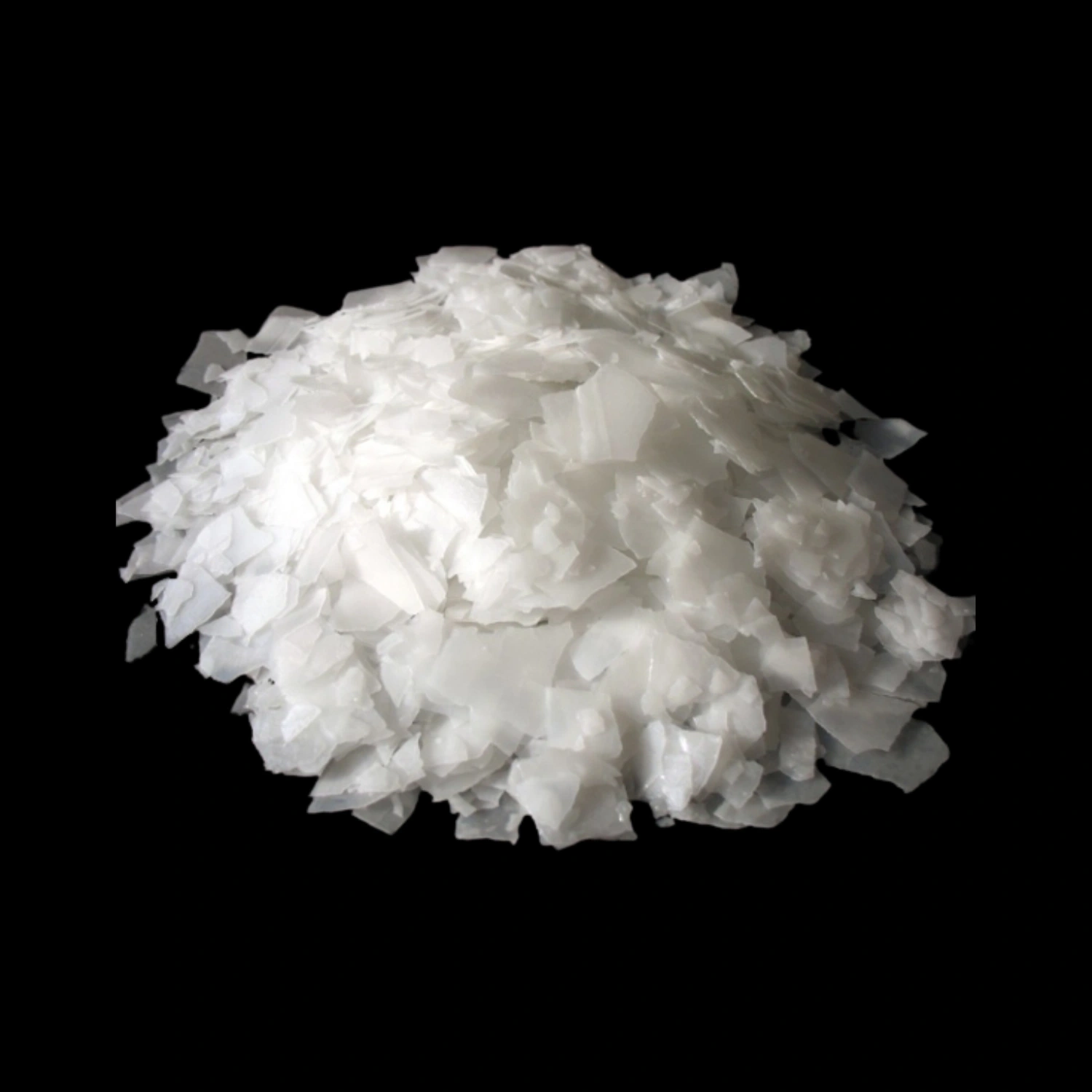
Caustic Soda Flakes
Found this useful?