The economics of chemical recycling underwent a historic transformation in the second quarter of 2026. For the first time, advanced recycling feedstocks derived from plastic waste became cheaper than virgin fossil-based alternatives. This inversion defied years of industry assumptions that circular solutions would always carry a green premium.
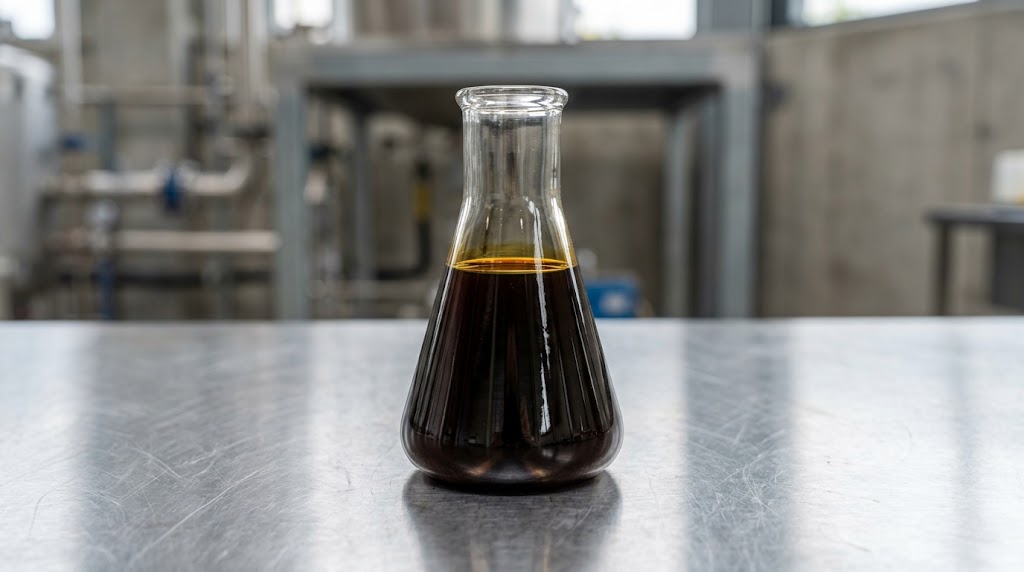
During April and May 2026, pyrolysis oil marginal costs ranged from €580 to €640 per ton. Meanwhile, virgin naphtha prices spiked to €820 per ton due to the Hormuz Strait disruption. This €180 to €240 per ton advantage created an unprecedented arbitrage opportunity. Major players like Agilyx, Eastman and Plastic Energy reported strong margins without relying on subsidies or regulatory credits.
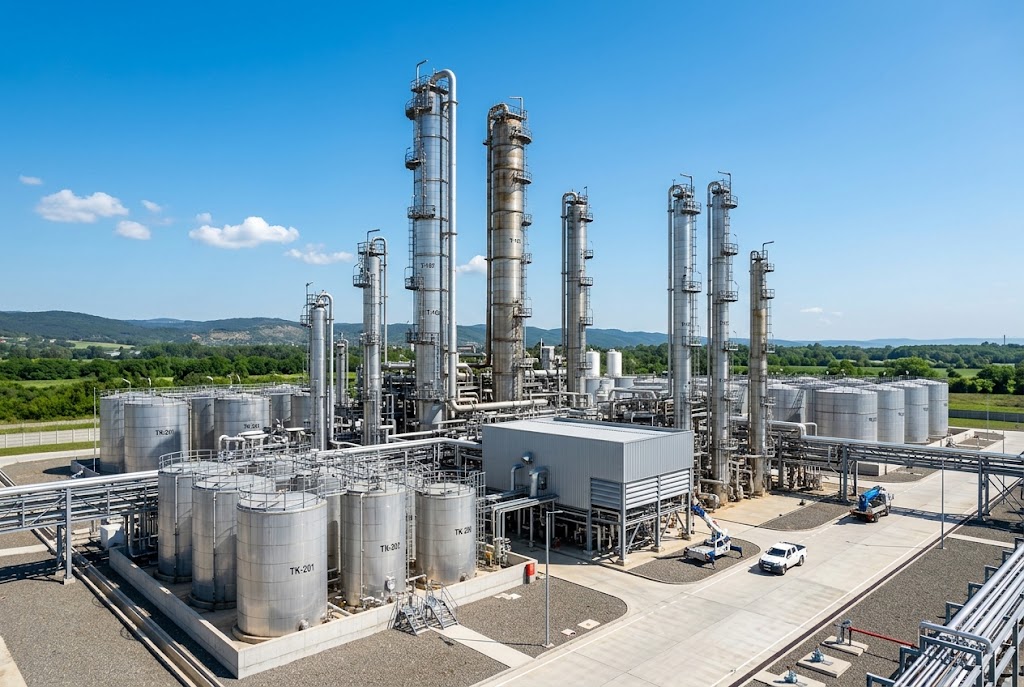
The market response was immediate. Announced capacity expansions totaled €2.3 billion within weeks. Dow committed to adding 125 kilotons per year of new chemical recycling capacity. LyondellBasell announced a 90 kiloton per year expansion. Investment committees approved these projects based on crisis-era economics. Now that naphtha prices are declining toward €620 per ton, the strategic rationale faces intense scrutiny.
The Mechanics of the Price Inversion
Understanding this shift requires examining the cost structures of both pathways. Virgin naphtha pricing ties directly to crude oil markets and geopolitical stability. The Hormuz closure severed key supply lines, causing a violent spike in fossil feedstock costs. This external shock elevated the baseline for all petrochemical production.
Chemical recycling costs behave differently. Pyrolysis oil production depends on waste collection logistics, preprocessing energy and operational efficiency. These factors are largely insulated from global oil price volatility. During the crisis, recycling operators maintained stable input costs while their virgin competitors faced soaring expenses.
The result was a temporary but significant cost advantage. Recycled feedstocks did not become cheaper in absolute terms. They simply remained stable while virgin alternatives became prohibitively expensive. This relative stability provided a rare window where sustainability aligned perfectly with profitability.
Capacity Expansion Rush and Investment Risks
The €2.3 billion in announced expansions reflects a race to secure market position. Companies recognized that building capacity takes years. Waiting for perfect economic conditions means missing the window entirely. By committing capital during the crisis, firms aimed to lock in long-term advantages.
Dow’s 125 kiloton per year addition represents a major bet on circular feedstocks. The project aims to integrate recycled pyrolysis oil directly into existing cracker operations. LyondellBasell’s 90 kiloton expansion follows a similar strategy. Both companies seek to reduce reliance on volatile fossil inputs while meeting growing customer demand for circular products.
However, these investments carry substantial risk. If naphtha prices remain below €620 per ton, recycled feedstocks will once again trade at a premium. Projects approved during the €820 naphtha spike may struggle to achieve target returns in a normalized market. Investment committees must now evaluate whether these expansions rely on temporary arbitrage or sustainable structural advantages.
Policy Drivers vs Market Arbitrage
The critical question for investors centers on the source of competitive advantage. Was the Q2 2026 profitability driven by genuine market forces or transient geopolitical shocks? If the latter, then the business case for new capacity weakens significantly as fossil prices normalize.
Policy-driven advantages offer more stability. Carbon taxes, extended producer responsibility schemes and mandatory recycled content targets create artificial floors for recycled material values. These mechanisms ensure that circular feedstocks remain competitive even when fossil prices drop. Investors should assess how much of the projected revenue relies on such policy supports.
Market arbitrage is inherently unstable. It depends on continuous volatility in fossil fuel markets. While geopolitical tensions may persist, relying on them for long-term profitability is dangerous. Projects that only make sense when naphtha exceeds €700 per ton face existential threats in a €600 environment.
The Closing Economic Window
Current market data shows naphtha prices declining toward €620 per ton as of July 2026. This level erodes most of the cost advantage enjoyed by recyclers in Q2. At €620 per ton, pyrolysis oil at €580-640 per ton offers little to no savings. In many cases, it may again become more expensive than virgin alternatives.
This narrowing gap forces a rapid reassessment of project economics. Facilities that began construction during the crisis must now prove viability under normal market conditions. Those unable to demonstrate cost competitiveness through operational efficiency or policy support may face delays or cancellations.
Buyers who signed long-term offtake agreements based on crisis pricing may also seek renegotiation. If recycled feedstocks lose their cost advantage, customers may resist paying premiums unless mandated by regulation. This dynamic adds further pressure to recycling project developers.
Strategic Implications for Circular Economy Investments
Investment committees must distinguish between projects built for arbitrage and those built for resilience. Arbitrage-focused projects depend on high fossil prices. Resilience-focused projects leverage policy support, operational excellence and brand value. The latter group offers more sustainable long-term returns.
Operational efficiency becomes paramount. Reducing the marginal cost of pyrolysis oil production below €500 per ton would restore competitiveness even at lower naphtha prices. Investments in technology optimization, energy recovery and logistics integration can drive these cost reductions. Companies prioritizing efficiency over mere capacity expansion will fare better.
Brand value and customer commitment also provide stability. Many global brands have pledged to increase recycled content regardless of price differentials. Securing long-term contracts with these customers creates revenue certainty that offsets market volatility. Projects anchored by such commitments are less vulnerable to fossil price fluctuations.
The Bottom Line for Investment Committees
The Q2 2026 price inversion was a historic anomaly rather than a new normal. While it proved that chemical recycling can be profitable, it did not prove that it is always cheaper than virgin production. Investors must adjust their models to reflect normalized fossil fuel prices.
Projects approved during the crisis need rigorous stress testing against €600-620 per ton naphtha scenarios. Those that remain viable demonstrate true structural advantages. Those that do not may require strategic pivots or additional policy support to succeed.
The future of chemical recycling lies not in hoping for another geopolitical shock but in building robust, efficient and policy-aligned business models. Companies that master this transition will lead the next phase of the circular economy.
Ready to source chemical recycling feedstocks from verified global suppliers? Explore competitive offers on our platform today.