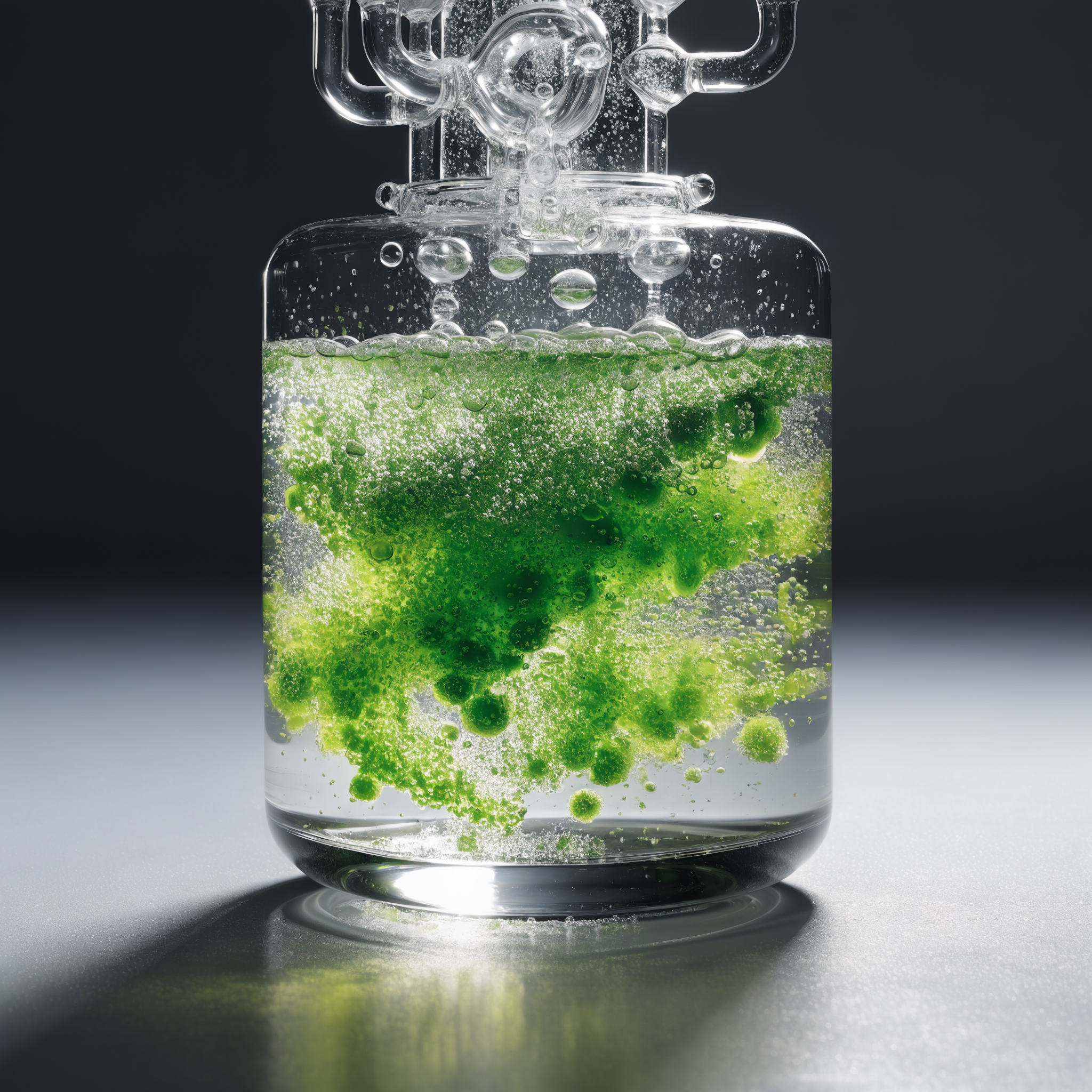
Chemical recycling is moving from pilot-stage ambition toward early commercial infrastructure, but procurement teams should not confuse announced capacity with immediately available recycled feedstock. The sector includes several technologies designed to recover value from post-consumer plastics that cannot be processed effectively through conventional mechanical recycling. Pyrolysis converts mixed plastic waste into a hydrocarbon-rich liquid commonly described as pyrolysis oil or liquefied waste plastic. Gasification converts waste into synthesis gas that can support chemical production, while solvent-based recycling separates or depolymerises selected polymers under controlled conditions. These routes address different waste streams and produce different outputs, meaning their commercial readiness, feedstock requirements, certification pathways, and suitability for cracker co-processing vary considerably.
The strategic importance of this infrastructure increased during the 2026 supply disruptions. European chemical manufacturers that had relied on imported fossil feedstocks were reminded that conventional supply chains can be interrupted by maritime chokepoints, insurance restrictions, and geopolitical instability. Locally produced circular feedstocks cannot replace all imported naphtha, but they can provide an additional source of hydrocarbons within regional supply networks. This creates a supply-security argument alongside the established benefits of waste diversion, recycled-content claims, and reduced dependence on virgin fossil resources. For procurement professionals, the relevant question is no longer whether chemical recycling has potential. It is how much technically suitable and certified material can actually be delivered to a specific facility during H2 2026.
The current infrastructure landscape includes several different commercial models. BASF’s ChemCycling approach uses recycled feedstocks derived from plastic waste within existing integrated chemical production networks and allocates recycled content to certified products through mass balance. Neste has moved further into physical upgrading infrastructure by commissioning a Porvoo facility capable of processing up to 150,000 tonnes of liquefied waste plastic annually, with production expected to ramp progressively rather than appear at full capacity immediately. Dow’s collaboration with Mura Technology is designed around HydroPRS-based advanced recycling and the development of larger circular-feedstock networks, while LyondellBasell is constructing its first commercial-scale MoReTec catalytic recycling plant in Wesseling. These projects demonstrate genuine progress, but they also show that the industry remains in a scale-up phase rather than operating as a fully liquid commodity market.
Procurement teams should therefore distinguish between theoretical plant capacity, operational throughput, qualified output, and material available to new external buyers. A plant may have substantial nameplate capacity while still ramping production, improving product consistency, fulfilling existing offtake commitments, or completing certification requirements. The pyrolysis oil itself must also meet the receiving cracker’s limits for chlorine, metals, oxygenates, water, acidity, boiling range, and storage stability. Material that is commercially available but cannot meet the facility’s co-processing specification without extensive upgrading should not be counted as dependable supply. Certification is equally important because recycled-content claims commonly rely on recognised mass-balance systems and chain-of-custody documentation rather than physical segregation throughout every production stage.
For H2 2026 planning, procurement professionals should calculate the facility’s realistic co-processing capacity and compare it with supplier volumes that are already qualified, certified, and contractually available. This assessment should include monthly deliverable quantities, minimum acceptance specifications, upgrading requirements, transport distance, storage compatibility, ramp-up risk, and existing supplier commitments. Buyers should also examine whether the source material is mixed post-consumer plastic, industrial waste, tyres, or another input because feedstock composition influences both final oil quality and circularity claims.
Chemical recycling infrastructure is becoming commercially meaningful, but the market remains tighter and more fragmented than headline project announcements suggest. The strongest procurement strategies will combine technical qualification with careful availability analysis rather than assuming every announced tonne can enter a cracker immediately. H2 2026 is the right period to secure supplier trials, establish quality agreements, and reserve future volumes before broader recycled-feedstock demand accelerates. Circular feedstocks can improve sustainability and regional supply resilience, but only when certified supply availability is matched realistically with the receiving facility’s technical capacity.
Looking for circular feedstock procurement intelligence? Compare certified, specification-compliant PyOil volumes with actual co-processing capacity before treating announced chemical recycling projects as dependable H2 supply.