Mandatory recycled content requirements scheduled for 2030 are changing how companies source plastic packaging materials. Manufacturers, converters and procurement teams now need a clear strategy for balancing chemical recycling and mechanical recycling while meeting annual recycled content thresholds across different packaging categories. The targets apply as annual averages at the manufacturing plant level, while specific contact-sensitive applications such as infant food and medical packaging remain exempt. As businesses prepare for these requirements, selecting the right recycling pathway has become both a compliance issue and a commercial decision.
Why 2030 Recycled Content Targets Matter
The upcoming recycled content requirements shift attention from simply collecting plastic waste to ensuring that recycled materials return to new packaging at meaningful volumes.
For procurement professionals, this means supplier selection will increasingly depend on the quality, consistency and traceability of recycled feedstocks rather than price alone.
Manufacturers must also demonstrate that recycled content calculations satisfy annual average requirements across each packaging type produced at a manufacturing site. This encourages long term sourcing strategies instead of occasional purchases of recycled materials.
Understanding Mechanical Recycling
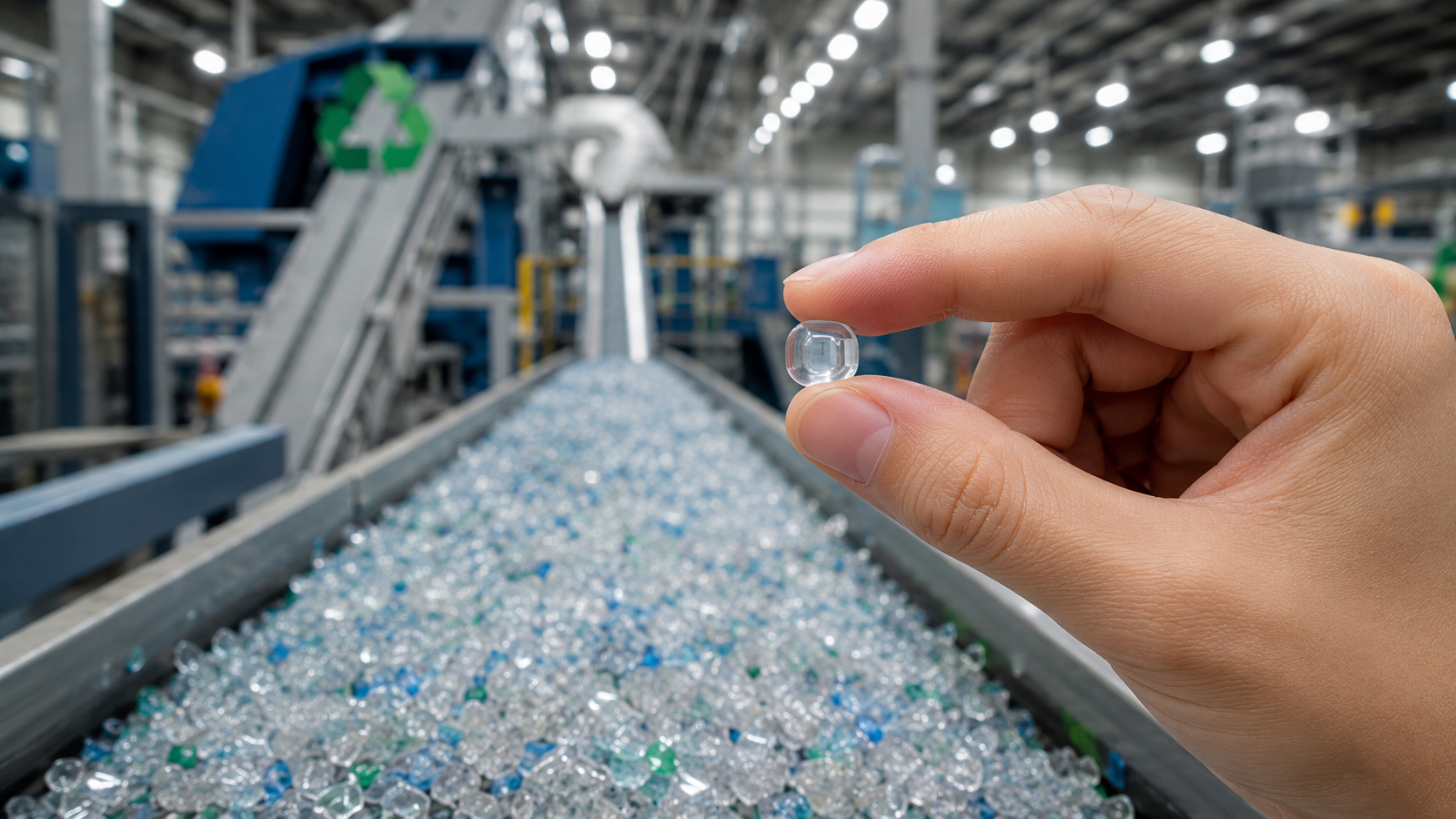
Mechanical recycling processes plastic waste through sorting, cleaning, shredding and remelting without changing the polymer's chemical structure.
This approach remains the most widely used recycling method because it requires relatively mature infrastructure and supports large volumes of commonly collected plastics.
Its strengths include:
Lower processing costs than many advanced recycling technologies, making it attractive for high volume packaging applications.
Reduced energy requirements for many material streams, helping manufacturers improve operational efficiency.
Established supply chains in many regions, allowing buyers to source recycled resin from multiple suppliers.
Mechanical recycling performs best when waste streams remain clean and well sorted. Mixed, contaminated or multilayer plastics often reduce recycled material quality and limit reuse opportunities.
How Chemical Recycling Works
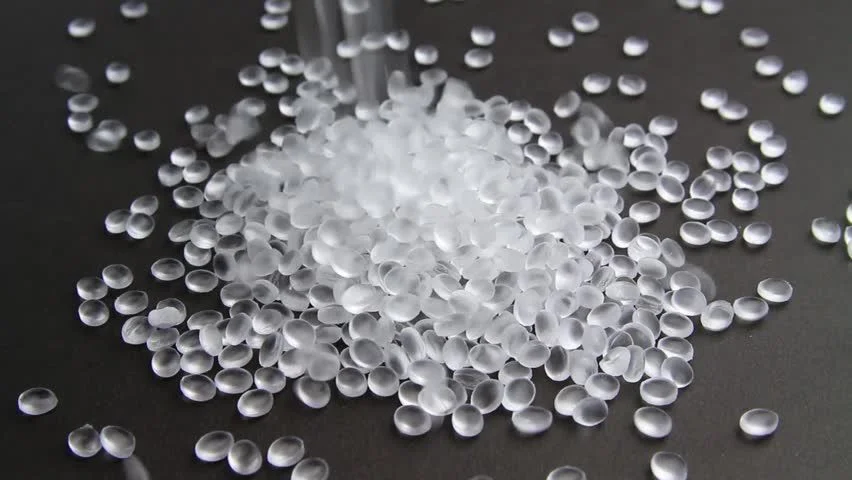
Chemical recycling converts plastic waste into molecular building blocks or feedstocks through advanced processing technologies. These feedstocks can then produce polymers with properties comparable to virgin materials.
Unlike mechanical recycling, chemical recycling can process certain waste streams that traditional recycling struggles to manage.
Key advantages include:
Better utilization of mixed or difficult plastic waste that would otherwise remain outside conventional recycling systems.
Production of recycled raw materials suitable for demanding applications where consistent material performance matters.
Support for circular manufacturing models by returning plastics to feedstock rather than repeatedly melting existing polymers.
Chemical recycling generally involves higher capital investment and operating costs. However, its ability to recover additional plastic waste makes it increasingly important as recycled content requirements become stricter.
Comparing Recycling Options for Packaging Manufacturers
Neither recycling method completely replaces the other.
Mechanical recycling offers an efficient solution for clean and recyclable plastic streams, while chemical recycling expands recovery opportunities for more challenging waste.
Procurement teams increasingly evaluate both approaches based on several factors:
Availability of local recycling infrastructure.
Material performance requirements.
Required recycled content percentages.
Long term supply stability.
Regulatory compliance and documentation.
Choosing only one recycling pathway may limit sourcing flexibility as recycled content obligations increase over time.
Supply Chain Challenges Before 2030
Demand for recycled polymers is expected to grow significantly as more packaging producers prepare for mandatory recycled content requirements.
Several procurement risks deserve attention:
Competition for high quality recycled feedstock will likely increase as manufacturers secure long term supply agreements.
Regional differences in collection and recycling infrastructure may create supply imbalances between markets.
Material consistency remains a concern, particularly when recycled resin must meet strict manufacturing specifications.
Documentation and traceability requirements will become increasingly important for demonstrating recycled content compliance.
Companies that establish supplier relationships early may reduce exposure to future market volatility.
Traceability and Mass Balance Accounting
One important aspect of chemical recycling involves mass balance accounting.
This approach allocates recycled feedstock across production outputs while maintaining verified tracking throughout the manufacturing process. It provides manufacturers with a structured method to account for recycled material entering complex production systems.
For procurement teams, traceability is becoming nearly as valuable as price. Buyers increasingly request documentation that verifies recycled content, production methods and chain of custody throughout the supply network.
Not every packaging application falls under identical recycled content expectations.
Certain contact-sensitive uses receive exemptions, including:
These exemptions recognize that some applications continue to require highly controlled material specifications while recycling technologies continue to advance.
For all other packaging categories, manufacturers should expect growing pressure to increase recycled content while maintaining product performance.
Procurement Strategies for the Next Five Years
Preparing for 2030 requires more than simply purchasing recycled resin when regulations take effect.
Forward-looking procurement teams should consider:
Diversifying supplier networks across both mechanical and chemical recycling markets.
Including recycled content verification requirements in purchasing contracts.
Monitoring technological developments that improve recycled polymer quality.
Evaluating total supply chain resilience instead of focusing only on material cost.
Building partnerships with suppliers that invest in traceability and transparent reporting.
A balanced sourcing strategy can reduce procurement risk while supporting future compliance objectives.
The Bottom Line for Procurement Teams
The debate between chemical recycling and mechanical recycling should not focus on choosing a single winner. Both technologies address different parts of the plastic waste challenge and together they create a stronger circular economy for packaging materials.
Mechanical recycling will continue to play a leading role for clean and recyclable plastics because of its cost efficiency and established infrastructure. Chemical recycling complements this by recovering materials that conventional systems cannot process efficiently, expanding the overall supply of recycled feedstocks.
As 2030 recycled content targets approach, procurement teams should prioritize supply security, verified traceability and long term partnerships. Businesses that begin adapting today will be better positioned to meet compliance requirements while maintaining reliable access to quality recycled materials.
Ready to source chemical recycling feedstocks from verified global suppliers? Explore competitive offers on our platform today.