Chemical Supply Chain Outlook 2027: Trade Shifts, Logistics Challenges, and Future Sourcing Strategies
Global shipping disruptions, changing trade policies and regional production shifts are reshaping how chemical buyers plan their purchases for 2027. The chemical supply chain outlook for 2027 highlights a growing need for procurement teams to balance competitive pricing with reliable delivery, supplier diversification and better visibility across international trade routes.
Chemical supply chains connect feedstock producers, manufacturers, distributors, freight operators and industrial buyers across multiple countries. A disruption at any point can affect production schedules, inventory costs and the availability of essential raw materials. UN Trade and Development (UNCTAD) reported that maritime trade grew by 2.2% in 2024 but projected growth of just 0.5% for 2025, reflecting the pressure on global shipping.
For chemical traders, importers and procurement managers, 2027 planning should focus on more flexible sourcing networks, realistic delivery schedules and a clearer understanding of the total cost of bringing products to market. Companies that prepare for several possible market conditions will be better positioned to manage uncertainty without sacrificing supply reliability.
How Trade Shifts Will Reshape Chemical Supply Chains in 2027
International chemical trade depends on more than production capacity and customer demand. Tariffs, industrial policies, energy costs and regional manufacturing strategies can all influence where companies purchase chemicals and how suppliers compete for business.
Manufacturers may reassess sourcing locations when trade restrictions change the cost of importing raw materials or finished chemicals. Buyers may also explore alternative origins to reduce their dependence on a single country or production hub.
Several developments deserve close attention:
Regional sourcing: Buyers may increase purchases from nearby producers when shorter transit times, lower logistics costs or easier supplier communication justify the change.
Trade policy changes: Tariffs, customs requirements and export restrictions can alter landed costs and make established supplier relationships less competitive.
Production realignment: Differences in energy prices, feedstock availability and manufacturing costs can shift production advantages between regions.
Changing industrial demand: Demand from construction, agriculture, packaging, automotive manufacturing and other end-use sectors can redirect chemical trade flows.
These changes do not mean that global sourcing will disappear. Instead, buyers will need to compare international suppliers more frequently and determine when regional alternatives offer a meaningful operational advantage.
Chemical traders can respond by maintaining relationships across multiple supply regions and tracking changes in product availability, freight quotations and import requirements. A broader supplier network can create more options when one origin becomes expensive or difficult to access.
Logistics Challenges and International Freight Costs
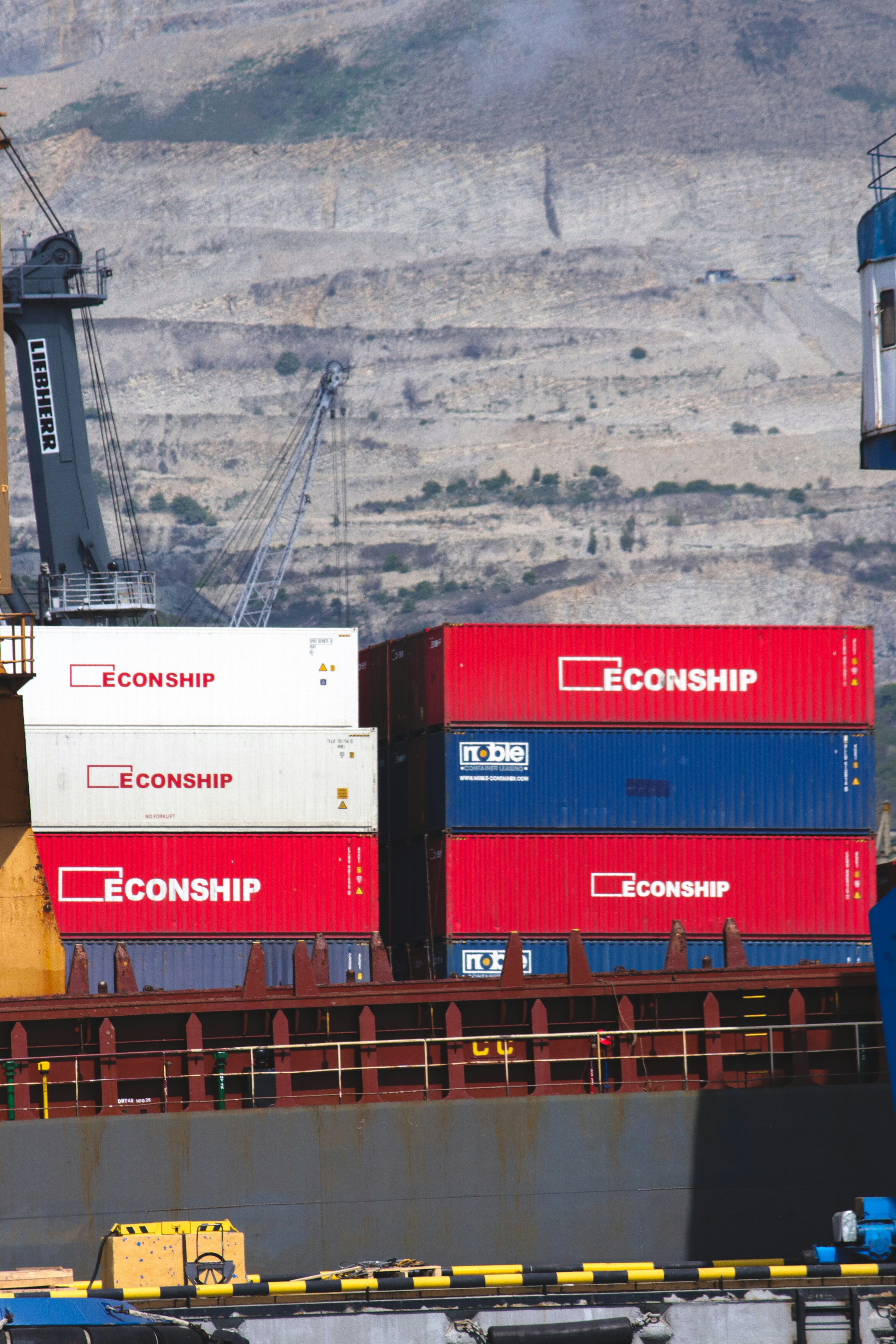
Logistics remains a major source of uncertainty for chemical buyers because shipping disruptions affect both transportation expenses and the timing of deliveries. Rerouting vessels around major maritime chokepoints can lengthen voyages, increase fuel consumption and reduce the effective availability of shipping capacity.
UNCTAD's Review of Maritime Transport 2025 reported that vessel rerouting increased global maritime ton-miles by 5.9% in 2024. It also found that freight rates remained volatile amid geopolitical tensions, trade policy changes and imbalances between shipping demand and available capacity.
For chemical shipments, these pressures can create several practical challenges:
Longer lead times: Changes to shipping routes and port schedules can delay deliveries beyond the original purchasing plan.
Higher landed costs: Freight surcharges, insurance expenses, storage fees and additional handling can reduce the savings from a low supplier quotation.
Port congestion: Delayed vessel arrivals and limited terminal capacity can disrupt inland transport and warehouse planning.
Specialized transport requirements: Certain chemicals require compatible containers, controlled handling, specific packaging or additional documentation, limiting the available transport options.
Chemical procurement teams should therefore evaluate shipping reliability alongside the quoted product price. A supplier offering a lower unit price may prove more expensive overall if the shipment arrives late or incurs substantial additional charges.
Buyers should also distinguish between a supplier's production lead time and the complete delivery timeline. The latter includes order processing, preparation, export clearance, vessel availability, transit, import clearance and final delivery.

Supplier Diversification and Regional Sourcing Strategies
Dependence on one supplier, country or transport corridor can expose buyers to significant operational risks. Supplier diversification offers a practical way to reduce this concentration, although adding suppliers without evaluating their capabilities can create new quality and coordination problems.
For 2027, procurement teams should consider a structured sourcing model that combines established suppliers with qualified alternatives. The objective is not to divide every purchase equally between vendors but to maintain credible options when market conditions change.
A resilient sourcing strategy can include:
Primary suppliers: Maintain established relationships with manufacturers or distributors that consistently meet product specifications, delivery requirements and documentation standards.
Alternative suppliers: Qualify additional vendors before an emergency occurs, including suppliers from different regions where commercially practical.
Regional backup options: Assess nearby sources for products where faster replenishment can offset a higher purchase price.
Supplier capacity reviews: Check production availability, allocation policies and the supplier's ability to meet larger or more frequent orders.
Periodic performance assessments: Compare actual delivery times, quality consistency, communication and order fulfilment across vendors.
Chemical buyers should also examine the origins of their suppliers' raw materials. Two distributors may operate in different countries while depending on the same upstream producer, which means their apparent diversity may not provide genuine protection against a production outage.
For traders, maintaining access to several qualified sources can support customer commitments and improve responsiveness to changing demand. However, each alternative must satisfy the relevant technical specifications, regulatory requirements and commercial conditions before a buyer relies on it.
Inventory Planning and Demand Forecasting for Chemical Buyers
Inventory decisions will remain important as companies balance supply continuity against storage costs and working-capital requirements. Holding too little stock can interrupt manufacturing, while holding too much can tie up cash and expose buyers to falling market prices or product deterioration.
A practical approach begins with classifying chemicals according to their operational importance. Products that are difficult to replace or essential to continuous production may justify stronger safety-stock arrangements than materials with several readily available alternatives.
Procurement teams can strengthen inventory planning by:
Reviewing historical consumption and identifying seasonal demand patterns.
Comparing actual supplier lead times with the assumptions used in purchasing forecasts.
Setting replenishment points that reflect both demand variability and delivery uncertainty.
Coordinating purchasing decisions with production schedules, warehouse capacity and customer commitments.
Reviewing expiry dates, storage conditions and handling requirements for sensitive products.
Forecasting should also account for sudden changes in customer orders and market availability. Sales teams, production planners and procurement managers can share updated demand information so purchasing decisions reflect current business conditions rather than outdated estimates.
For high-volume chemicals, buyers may benefit from scheduled deliveries or negotiated supply agreements. These arrangements can support continuity while reducing the need to receive an entire year's expected volume at once.
The right inventory strategy varies by product. Procurement teams should compare the cost of holding additional stock with the likely operational impact of a delayed shipment before changing inventory targets.
Digital Procurement and Supply Chain Visibility
Digital procurement tools can help chemical businesses coordinate purchasing, monitor shipments and compare suppliers more efficiently. Their value increases when teams can access reliable information about stock availability, order status, product specifications and expected delivery dates in one place.
Disconnected spreadsheets, email conversations and manual status updates can make it difficult to identify emerging problems early. A more integrated process allows buyers to review supplier quotations, purchasing commitments and shipment information without repeatedly collecting the same details from different departments.
Useful digital capabilities include:
Supplier comparison: Evaluate product specifications, commercial terms, minimum order quantities and delivery commitments in a consistent format.
Order tracking: Monitor order confirmation, dispatch, shipping progress and expected arrival dates.
Inventory visibility: Connect purchasing decisions with available stock, committed quantities and anticipated consumption.
Document management: Organize safety data sheets, technical data sheets, certificates of analysis and relevant shipping documents.
Risk monitoring: Flag overdue orders, changing lead times and suppliers whose performance falls below agreed requirements.
Digital systems cannot eliminate port congestion, production outages or policy changes. They can, however, help teams identify problems earlier and respond before a delay becomes a serious operational issue.
Chemical marketplaces can also support supplier discovery and commercial comparisons. Buyers should still verify the supplier's identity, product documentation, specifications and ability to fulfil the order before making a purchasing commitment.
Regulatory Compliance, Product Safety and Sustainability
Cross-border chemical sourcing involves more than commercial negotiations and freight arrangements. Importers and exporters must understand the rules that apply to the specific substance, its classification, intended use, destination market and transport method.
Documentation gaps can delay customs clearance or prevent a shipment from moving as planned. Requirements may include accurate product descriptions, safety data sheets, certificates of analysis, country-of-origin documents and transport documentation, depending on the product and jurisdiction.
Procurement teams should establish a compliance review before confirming an order. This process should cover:
Product classification: Confirm the correct chemical identity, grade and applicable customs classification.
Safety documentation: Obtain current safety data sheets and verify that the documentation matches the supplied product.
Import and export controls: Check applicable permits, restrictions, customs duties and destination-specific requirements.
Packaging and transport: Confirm that packaging, labelling and handling arrangements meet the rules for the chemical being shipped.
Supplier traceability: Retain relevant product, batch and origin records to support quality investigations and compliance checks.
Sustainability will also influence sourcing decisions as companies assess transport emissions, manufacturing efficiency, packaging and supplier reporting. Longer shipping routes can increase fuel consumption and emissions, creating another reason to consider transport efficiency when comparing sourcing options.
However, shorter routes do not automatically guarantee a lower environmental impact. Buyers should assess the full sourcing arrangement, including production methods, shipment size, transport mode and any applicable environmental reporting requirements.
Chemical Market Risks and the Outlook for 2027
The chemical supply chain outlook for 2027 points towards continued pressure to balance cost competitiveness with supply reliability. The precise effects will differ by product because chemical markets respond to different feedstocks, manufacturing processes, demand patterns and transport requirements.
Energy and feedstock prices will remain important considerations for many basic chemicals and petrochemical intermediates. Regional differences in production costs can affect supplier quotations, while changes in industrial demand can influence capacity utilization and the availability of export volumes.
Buyers should monitor several indicators when reviewing their purchasing plans:
Feedstock and energy trends: Changes in oil, natural gas and other key inputs can affect manufacturing costs and supplier pricing.
Capacity and operating rates: Plant maintenance, outages, new capacity and production cutbacks can change product availability.
Freight and insurance quotations: Shifts in route availability and shipping costs can alter the relative competitiveness of different origins.
Trade policy developments: New tariffs or restrictions can change the cost of established supply routes.
Customer demand: Changes in orders from downstream industries can affect inventory requirements and purchasing volumes.
Market analysis should support decisions rather than encourage speculative buying. When prices are volatile, purchasing additional quantities may protect against a shortage, but it can also increase inventory exposure if demand weakens.
Procurement teams can prepare for several scenarios, including stable trade conditions, higher logistics costs and a major disruption affecting a key supplier or route. For each scenario, they should identify the products most at risk, available alternatives and the commercial conditions under which they would switch suppliers.
This approach creates a clearer connection between market intelligence and day-to-day purchasing decisions. It also helps businesses respond to changing conditions without making every procurement decision an emergency.
What Procurement Teams Should Prioritize Before 2027
Chemical buyers do not need to predict every market development to improve supply chain resilience. They need a repeatable process for identifying exposure, qualifying alternatives and adjusting purchasing decisions as new information becomes available.
Before 2027, procurement managers and chemical traders should focus on five priorities:
1. Map critical supply routes. Identify the chemicals that could disrupt production or customer deliveries if a supplier, port or transport corridor becomes unavailable.
2. Qualify alternative suppliers early. Confirm technical suitability, documentation, commercial terms and realistic delivery capabilities before placing urgent replacement orders.
3. Calculate total landed cost. Include the product price, freight, insurance, customs duties, handling and other applicable charges when comparing offers.
4. Improve coordination across teams. Align procurement with sales, production, finance and logistics so demand forecasts, cash-flow needs and delivery commitments remain consistent.
5. Review sourcing performance regularly. Track supplier reliability, lead-time changes, quality issues and cost differences to identify where sourcing arrangements need improvement.
Businesses should apply these priorities according to the importance of each chemical and the cost of a potential supply interruption. A widely available commodity may need a different sourcing approach from a specialized input with limited qualified suppliers.
The strongest purchasing strategies combine competitive international sourcing with clear supplier standards, practical contingency plans and better information sharing. Chemical buyers that build these capabilities can respond more effectively to trade shifts while protecting customer commitments and operational continuity.
As 2027 approaches, flexibility will become an important part of procurement planning. Companies that assess suppliers, transport options and inventory needs together will be better equipped to manage market uncertainty and identify new trading opportunities.

Methanol
Found this useful?