Chemical Waste Management and Circular Economy: Sustainable Practices for Chemical Manufacturers
Chemical manufacturers can create economic value from materials that once left their facilities as waste. By improving process efficiency, recovering reusable chemicals and redesigning production systems, businesses can reduce disposal requirements while making better use of purchased raw materials.
Chemical waste management and the circular economy are becoming important parts of sustainable industrial operations. Manufacturers face growing pressure to control pollution, manage hazardous materials responsibly and demonstrate that their production practices support environmental objectives. These priorities also matter to procurement managers, chemical traders and distributors who need reliable suppliers with strong environmental and operational controls.
A circular approach changes how businesses think about production waste. Instead of treating every leftover material as something to discard, manufacturers assess whether they can prevent its generation, reuse it safely, recover valuable components or return it to an appropriate industrial process.
1. What Chemical Waste Management Means for Manufacturers
Chemical waste management covers the identification, segregation, handling, storage, treatment, recovery and final disposal of unwanted chemical materials. These materials can include spent solvents, off-specification products, contaminated packaging, process residues, wastewater treatment sludge and unused raw materials.
The correct management method depends on a waste stream's chemical composition, hazardous properties, contamination level and potential for recovery. Manufacturers must understand these characteristics before deciding whether a material can return to production, enter a recycling process or requires specialised treatment.
Effective programmes typically combine three priorities:
Waste prevention: Improve production planning and process controls to prevent unnecessary waste before it forms.
Resource recovery: Capture reusable solvents, process chemicals, metals and other valuable components where technically and legally appropriate.
Safe treatment and disposal: Manage materials that cannot be recovered through suitable treatment facilities and authorised waste handlers.
These priorities help manufacturers manage environmental risks while protecting workers and surrounding communities. They also create opportunities to reduce raw material losses, improve plant efficiency and strengthen supplier performance.
2. How the Circular Economy Changes Chemical Production
Traditional manufacturing often follows a linear model. Businesses purchase raw materials, convert them into products and dispose of unwanted residues after production.
A circular economy aims to keep materials in productive use for longer. In chemical manufacturing, this means designing processes that reduce waste generation, recover useful substances and minimise the demand for virgin resources without compromising product quality or safety.
For example, a manufacturer that uses organic solvents in a production process may be able to recover part of the spent solvent through distillation. After appropriate purification and quality testing, the recovered material may serve another compatible production cycle, reducing both fresh solvent purchases and waste disposal volumes.
Circular manufacturing can also involve:
Reusing suitable process water after treatment and quality verification.
Recovering metals from selected industrial residues.
Reprocessing off-specification products when validated procedures allow safe recovery.
Returning clean, reusable containers and intermediate bulk containers to appropriate supply chains.
Working with downstream industries that can use qualified by-products as production inputs.
However, not every waste stream supports reuse or recycling. Contaminants, degradation, incompatible substances and hazardous properties can restrict recovery options, so manufacturers must evaluate each stream individually.
3. Practical Technologies for Waste Reduction and Material Recovery
Technology plays a major role in making circular chemical production commercially viable. The right solution depends on the material involved, the volume generated, the required purity and the cost of recovery compared with purchasing replacement materials.
Several approaches offer practical opportunities for industrial facilities.
Solvent recovery and distillation
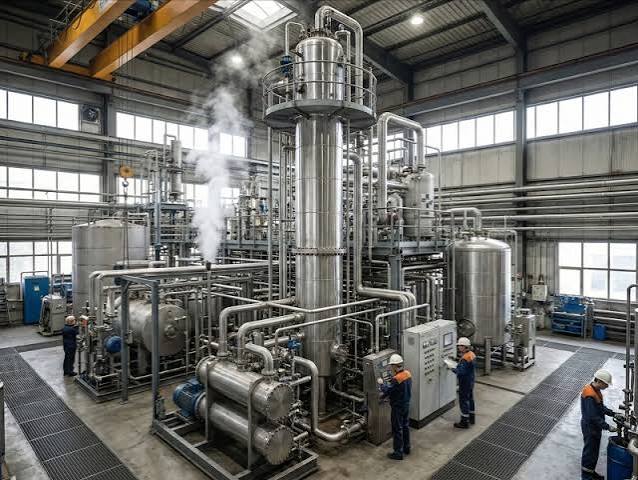
Chemical plants, coatings manufacturers and pharmaceutical producers may generate solvent streams during cleaning, extraction or product formulation. Distillation can separate selected solvents from impurities, allowing reuse when the recovered material meets the relevant process specifications.
Filtration and membrane treatment
Suitable filtration and membrane systems can remove suspended solids or separate selected components from industrial liquids. Depending on the process, these systems can support water reuse, reduce treatment loads or recover valuable materials from process streams.
Adsorption and specialised treatment
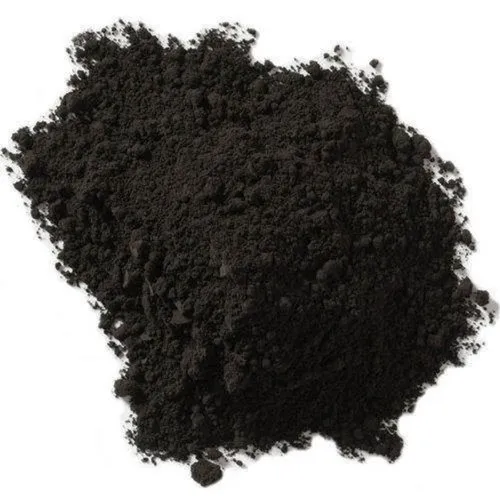
Adsorbents such as activated carbon can help remove certain contaminants from air or water streams. Other chemical or physical treatment methods may address specific pollutants, but operators must select technologies according to the contaminants and the required discharge or recovery standards.
Process optimisation and digital monitoring
Sensors, process analytics and production monitoring can help operators identify abnormal consumption, leaks and recurring quality problems. Earlier detection allows maintenance teams to correct losses before they generate larger volumes of waste.
Material substitution and process redesign
Manufacturers can evaluate whether alternative feedstocks, improved catalysts or more efficient reaction conditions can reduce unwanted by-products. These changes require technical validation because a substitute that reduces one environmental impact may introduce different hazards or affect product performance.
4. Financial Benefits of a Circular Chemical Supply Chain
Waste reduction can improve financial performance when manufacturers assess the entire cost of material use rather than focusing only on the purchase price of raw chemicals. Disposal charges, treatment expenses, handling requirements, storage needs and losses during production can all influence the total cost of operating a facility.
Recovering a usable chemical may reduce the need to purchase replacement material. It can also lower the volume requiring external treatment, although the recovery process itself requires equipment, energy, labour and quality controls.
The strongest business cases usually begin with waste streams that have high material value, predictable composition and sufficient volume to justify recovery infrastructure.
Procurement and operations teams can assess potential savings by examining:
Raw material efficiency: How much purchased material becomes saleable product, and how much remains in residues or rejected batches?
Recovery economics: What does it cost to collect, process, test and reuse a recovered material?
Disposal expenditure: Which waste streams account for the largest treatment, transport and disposal costs?
Supply continuity: Can recovered material reliably supplement fresh supplies without creating production or quality risks?
Equipment and energy requirements: Will the recovery system consume enough utilities or maintenance resources to weaken its financial case?
Circular practices can also improve relationships with industrial customers that evaluate suppliers on environmental performance. Manufacturers that document material recovery and waste reduction may strengthen their position in procurement processes where sustainability forms part of supplier selection.
The business case should still include product specifications and safety requirements. Lower costs do not justify reusing contaminated material in applications where it could compromise quality, worker safety or regulatory compliance.
5. Regulatory Compliance and Hazardous Waste Responsibilities
Chemical waste management requires more than efficient equipment. Manufacturers must identify the rules governing each waste stream, maintain appropriate records and ensure that storage, transport, treatment and disposal follow applicable requirements.
International trade adds complexity because requirements can differ between the country where waste originates, the country receiving it and the jurisdiction where recovery or disposal takes place.
The Basel Convention establishes an international framework for controlling transboundary movements of hazardous wastes and their disposal. Manufacturers and traders involved in international waste movements must understand the applicable controls, notification procedures and destination-country requirements.
The United Nations Environment Programme's Global Framework on Chemicals also promotes safer chemicals management throughout the product lifecycle, including waste prevention, resource efficiency and circular economy approaches.
For manufacturers, an effective compliance programme should address:
Waste classification: Identify the chemical composition and relevant hazard characteristics of every waste stream.
Storage and labelling: Use compatible containers, suitable containment systems and clear identification procedures.
Documentation: Maintain waste inventories, movement records, treatment documentation and disposal certificates where required.
Contractor qualification: Verify that waste transporters, recyclers and disposal facilities hold the necessary authorisations.
Cross-border controls: Confirm applicable export, import and transit requirements before arranging international shipments of regulated waste.
Procurement teams also need to consider compliance when selecting suppliers and waste management contractors. A low service quotation offers little value if the contractor lacks suitable facilities, cannot document material handling or exposes the manufacturer to legal and environmental risks.
6. Sustainable Sourcing and Supplier Collaboration
Circular economy practices become more effective when manufacturers extend their efforts beyond the factory gate. Raw material suppliers, distributors, logistics companies, recyclers and downstream customers can all influence the quantity of waste generated throughout a chemical product's lifecycle.
Procurement teams can begin by asking suppliers about packaging options, material specifications, delivery quantities and opportunities to reduce product losses. Better coordination can prevent expired inventory, avoid unnecessary transfers and limit the accumulation of unused chemicals.
Supplier collaboration can include several practical measures:
Improved forecasting: Align order quantities with realistic production schedules to reduce excess inventory and expiration-related waste.
Packaging recovery: Establish return arrangements for eligible containers and reusable transport packaging.
Consistent specifications: Request clear technical data and quality documentation to reduce rejected deliveries and unsuitable substitutions.
By-product partnerships: Explore legitimate industrial uses for qualified secondary materials that another manufacturer can use safely.
Environmental reporting: Request relevant information about waste handling, recovery practices and environmental management procedures.
Chemical traders and importers can support these initiatives by connecting buyers with suppliers that provide reliable specifications, appropriate packaging and consistent documentation. They can also help coordinate shipments and communicate handling requirements across international supply chains.
However, a by-product does not automatically become a saleable product simply because another company expresses interest. Its composition, legal classification, quality requirements and intended application must support the proposed transfer and use.
7. Measuring Progress Towards Circular Manufacturing
Manufacturers need measurable indicators to determine whether waste reduction programmes deliver meaningful results. Without consistent records, a plant may invest in new equipment without understanding whether it has reduced material losses or simply shifted waste from one process to another.
A practical monitoring system should establish a baseline, track changes over time and connect operational improvements with financial and environmental outcomes.
Useful indicators include:
Waste intensity: Kilograms of waste generated per tonne of finished product.
Material recovery rate: The proportion of eligible waste streams successfully recovered for approved reuse or recycling.
Virgin material consumption: The amount of newly purchased raw material required per unit of production.
Disposal cost per production unit: The cost of waste treatment and disposal relative to manufacturing output.
Wastewater performance: Relevant pollutant concentrations and discharge volumes measured against applicable requirements.
Rejected batch frequency: The number or proportion of production batches rejected because of quality or process problems.
Teams should interpret these measures together. A higher recycling rate may look positive, but prevention could deliver greater benefits if it eliminates the need to generate waste in the first place.
Companies should also distinguish between materials sent to a recovery facility and materials actually recovered for productive use. Accurate records help prevent overstated sustainability claims and give procurement managers a clearer picture of operational performance.
8. What Chemical Manufacturers and Buyers Should Do Next
Moving towards circular chemical production does not require every manufacturer to install advanced recovery technology immediately. A structured approach allows businesses to identify the most practical opportunities, test solutions and expand investments as results become clear.
The following actions provide a useful starting point:
1. Map the major waste streams. Record the type, quantity, composition and disposal cost of materials generated across production, storage and packaging operations.
2. Prioritise prevention. Review process losses, production planning, inventory management and quality failures before investing in end-of-pipe treatment.
3. Assess recovery opportunities. Identify suitable solvents, metals, process water and other materials that may offer technically feasible recovery routes.
4. Evaluate qualified partners. Compare recovery providers based on technical capability, permits, material acceptance criteria, traceability and total service cost.
5. Set measurable targets. Establish realistic goals for waste intensity, material recovery, virgin resource consumption and disposal expenditure.
6. Integrate sustainability into purchasing. Include relevant waste management, packaging and documentation requirements in supplier assessments and commercial agreements.
7. Review performance regularly. Compare actual results with the baseline and adjust the programme when costs, quality or environmental outcomes fail to meet expectations.
Smaller manufacturers can begin with straightforward improvements such as better inventory controls, improved segregation and reduced packaging losses. Larger facilities may justify investment in solvent recovery, process water treatment or integrated waste monitoring when material volumes and operating conditions support the economics.
The Bottom Line for Sustainable Chemical Procurement
Chemical waste management and circular economy practices offer manufacturers a way to connect environmental responsibility with resource efficiency, cost control and supply chain resilience. Businesses that prevent waste, recover suitable materials and work closely with qualified suppliers can reduce avoidable losses while improving control over their operations.
For procurement managers and chemical traders, sustainability should form part of the purchasing decision alongside price, quality, availability and delivery reliability. Evaluating supplier documentation, packaging practices and material recovery capabilities can help buyers build stronger supply relationships and identify opportunities for more efficient resource use.
As chemical markets continue to place greater emphasis on responsible production, companies that integrate circular principles into everyday operations can position themselves to meet evolving customer expectations and compete more effectively.
Activated Carbon (Granular) - India
Found this useful?