
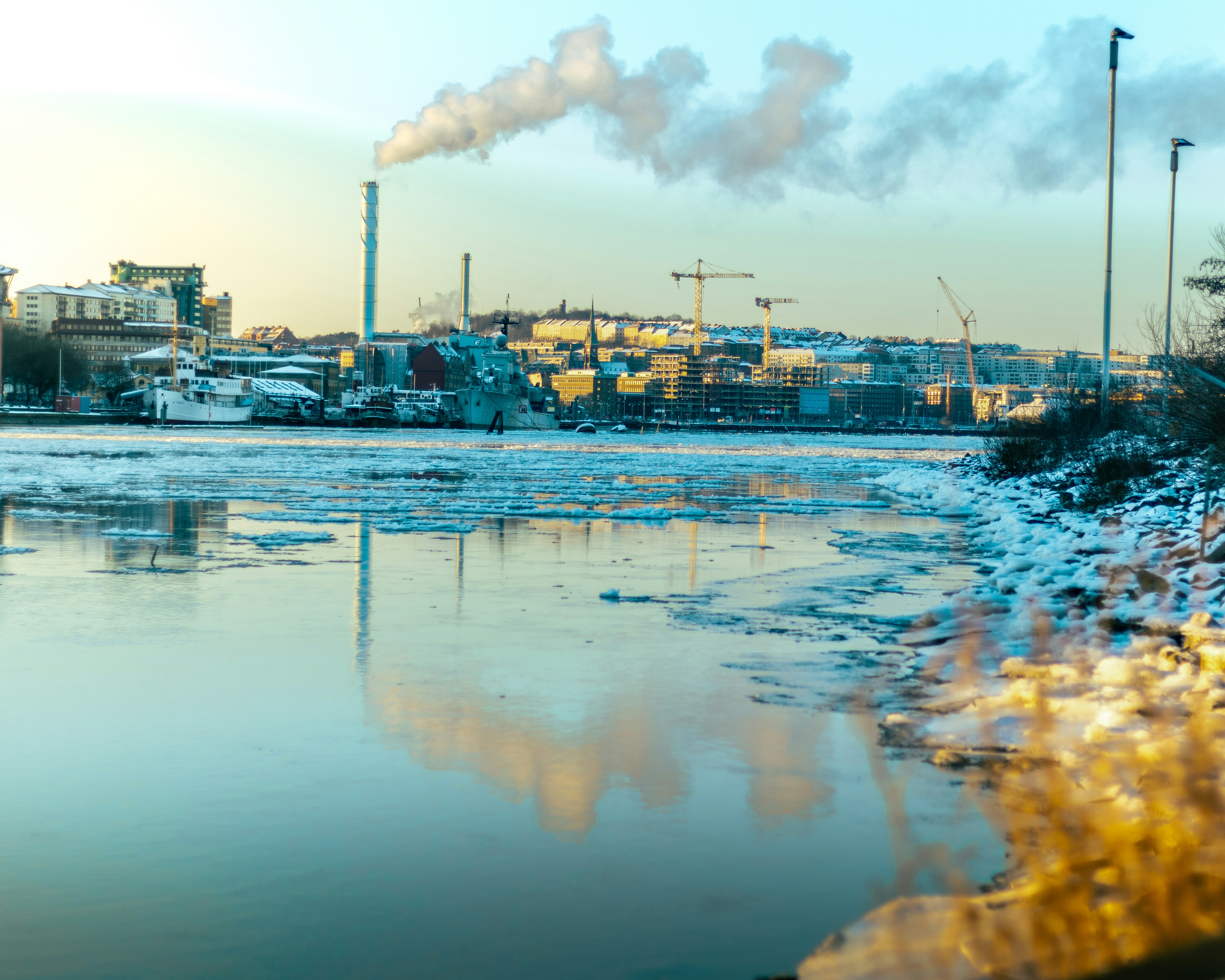
Chemical Waste Management Industrial Disposal Methods ,Environmental Compliance
Chemical waste management is an essential part of industrial operations. Manufacturing plants, chemical processing facilities, pharmaceutical companies, laboratories, and other industrial businesses generate waste materials that may contain hazardous chemicals, solvents, acids, oils, heavy metals, and other potentially harmful substances.
If these materials are handled or disposed of incorrectly, they can contaminate soil, water, and air, create workplace hazards, and expose businesses to regulatory penalties. Effective chemical waste management helps industries control environmental risks, protect workers, and meet applicable environmental requirements.
A well-designed waste management program focuses on identifying waste, separating it by type, reducing waste generation, recovering usable materials, applying appropriate treatment, and ensuring safe final disposal.
Types of Chemical Waste Generated by Industries
Industrial chemical waste varies according to the manufacturing process and materials used. Identifying the waste type is the first step toward selecting a suitable management method.
Waste category | Common industrial sources | Management concern |
|---|---|---|
Solvent waste | Paints, coatings, pharmaceuticals, chemical manufacturing | Flammability, toxicity, and volatile emissions |
Acidic and alkaline waste | Metal finishing, chemical processing, cleaning operations | Corrosion and chemical reactions |
Oil and petroleum waste | Refineries, workshops, machinery operations | Soil and water contamination |
Heavy-metal waste | Electroplating, batteries, metal processing | Toxicity and environmental persistence |
Chemical sludge | Wastewater treatment and manufacturing processes | Contaminant concentration and safe disposal |
Contaminated packaging | Chemical drums, containers, bags, and filters | Residual chemical exposure |
Laboratory chemical waste | Research facilities and testing laboratories | Mixed chemicals and uncertain composition |
Not all industrial waste is classified as hazardous. Businesses must assess its composition and characteristics under the applicable regulatory framework before selecting a disposal route.
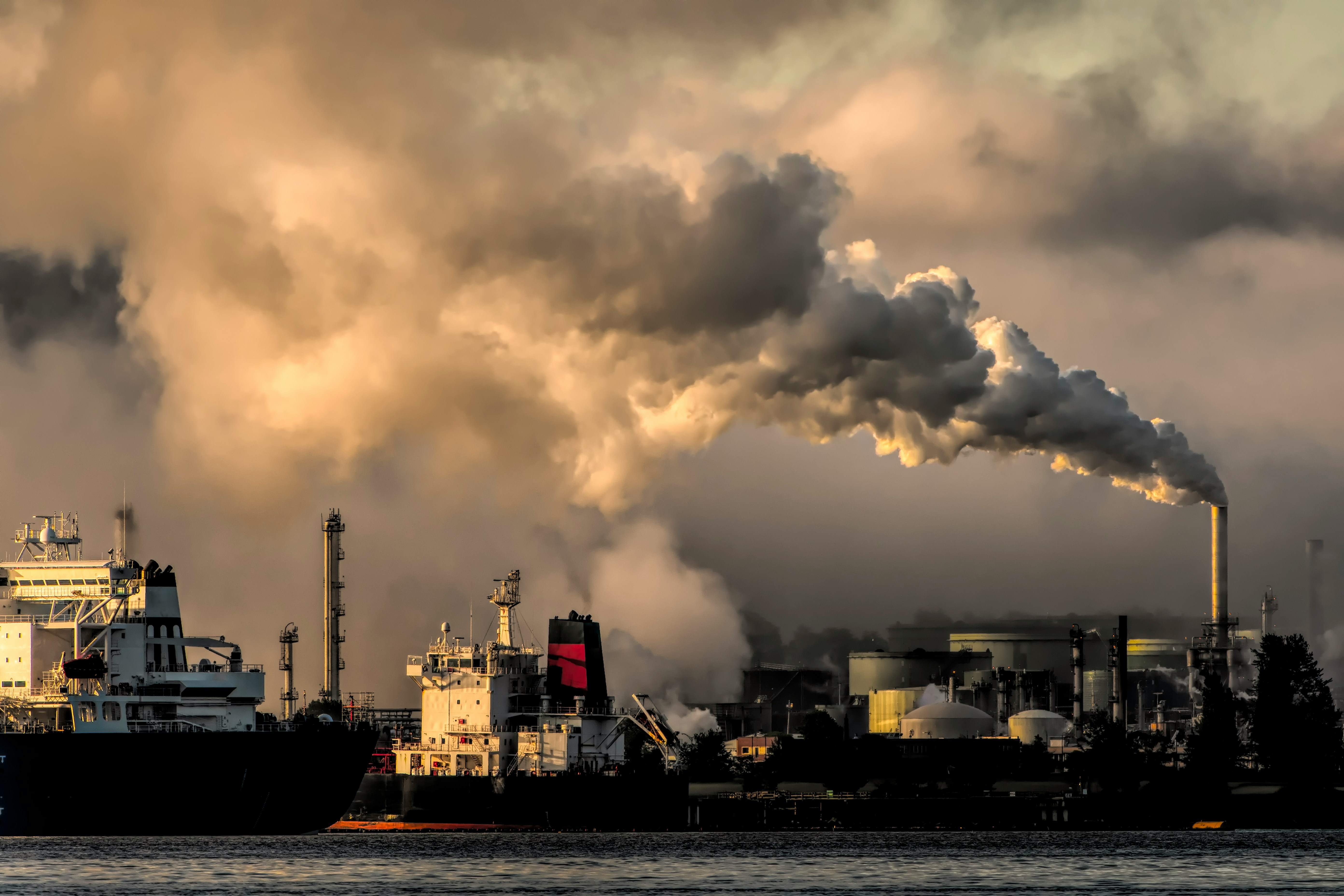
Industrial Chemical Waste Disposal and Treatment Methods
Different chemical wastes require different treatment technologies. The selection depends on chemical composition, concentration, physical state, environmental risks, and applicable disposal standards.
1. Physical and Chemical Treatment
Physical and chemical treatment processes are used to remove, separate, or neutralize contaminants. Common methods include filtration, sedimentation, chemical precipitation, neutralization, and adsorption.
These techniques are particularly relevant for industrial wastewater containing acids, alkalis, dissolved metals, and suspended contaminants.
2. High-Temperature Incineration
Specialized industrial incinerators can destroy certain combustible hazardous organic wastes under controlled conditions. This method may be used for selected solvents, contaminated materials, and chemical residues.
Facilities must control emissions and manage remaining ash and other residues safely. Incineration is not suitable for every chemical waste stream.
3. Chemical Waste Recycling and Recovery
Recycling can recover useful materials from selected industrial waste streams. For example, solvent distillation can recover reusable solvents, while certain metal-bearing wastes can be processed to recover valuable metals.
This approach can reduce demand for virgin raw materials and lower the amount of waste requiring final disposal.
4. Secure Engineered Landfill Disposal
Some treated hazardous residues require disposal in specially engineered facilities. These facilities use protective barriers, containment systems, and monitoring measures to reduce the risk of contaminants reaching surrounding soil and groundwater.
Waste must meet applicable acceptance and treatment requirements before land disposal.
5. Biological Treatment
Biological treatment uses microorganisms to break down suitable biodegradable contaminants. It is commonly applied to certain industrial wastewater streams containing organic pollutants.
The process requires careful assessment because toxic chemicals, high concentrations, or unsuitable pH conditions can inhibit microbial activity.
The U.S. Environmental Protection Agency (EPA) identifies physical, chemical, and biological processes as major industrial waste treatment approaches. The Basel Convention also provides technical guidance for environmentally sound hazardous waste treatment and disposal.
How Industries Can Reduce Chemical Waste Generation
Managing waste effectively begins before disposal. Industrial facilities can reduce the amount of waste generated by improving production processes and using materials more efficiently.
Process optimization: Improve production methods to reduce chemical losses, spills, and unwanted by-products.
Raw material management: Purchase and store chemicals according to actual production requirements to reduce expired inventory.
Chemical substitution: Where technically and economically feasible, replace particularly hazardous materials with safer alternatives.
Equipment maintenance: Prevent leaks, spills, and contamination through regular inspection and maintenance.
Material recovery: Identify suitable opportunities to reuse solvents, oils, metals, and other recoverable materials.
Employee training: Train workers in chemical handling, segregation, spill prevention, and emergency response.
Waste prevention and recovery can reduce disposal expenses while supporting more efficient resource use.
Environmental Compliance Requirements for Industrial Businesses
Environmental compliance involves meeting the legal and technical requirements that govern waste generation, storage, transportation, treatment, recycling, and disposal.
Requirements vary by country, province, industry, and waste classification. However, industrial businesses commonly need to address the following areas.
1. Waste Identification and Classification
Companies should identify the chemical composition and hazardous characteristics of each waste stream. This helps determine suitable handling, storage, transportation, and treatment requirements.
2. Safe Storage and Labeling
Chemical waste should be stored in compatible, properly closed, and clearly labeled containers. Storage areas should be designed to prevent leaks, spills, incompatible chemical reactions, and unauthorized access.
3. Licensed Transportation and Disposal
Where required, businesses should use authorized waste transporters and treatment facilities. Companies should verify that contractors have the necessary approvals and can handle the specific waste category.
4. Documentation and Recordkeeping
Industrial facilities should maintain appropriate records, including:
Waste identification and classification details
Waste quantities and generation dates
Storage and transportation records
Treatment and disposal certificates
Supplier and contractor approvals
Environmental monitoring and inspection reports
5. Environmental Monitoring
Facilities may need to monitor wastewater discharges, air emissions, storage areas, and surrounding environmental conditions according to their permits and applicable standards.
The World Bank Group's Environmental, Health, and Safety Guidelines provide internationally recognized technical guidance on hazardous materials, waste management, wastewater, emissions, and occupational safety.
Chemical Waste Management Regulations in Pakistan
For businesses operating in Pakistan, environmental compliance should be assessed against national legislation, applicable provincial requirements, and relevant environmental approvals.
Important regulatory references include:
Pakistan Environmental Protection Act, 1997: Provides the national legal framework for environmental protection and pollution control.
National Hazardous Waste Management Policy, 2022: Establishes a life-cycle approach to hazardous waste management, including prevention, reuse, recycling, recovery, treatment, and disposal.
Hazardous Substances Rules, 2016: Address the handling, manufacture, storage, and import of hazardous substances.
National Environmental Quality Standards (NEQS): Establish environmental standards relevant to areas such as industrial emissions and wastewater.
The National Hazardous Waste Management Policy places responsibility for acceptable final disposal on waste generators. It also promotes reuse, recycling, recovery, and appropriate treatment before final disposal where feasible.
Businesses should confirm the current requirements with the relevant federal or provincial Environmental Protection Agency (EPA), particularly when dealing with hazardous waste transportation, storage, treatment, or cross-border movement.
Challenges in Industrial Chemical Waste Management
Despite improvements in environmental practices, industrial businesses face several challenges when managing chemical waste.
Challenge | Impact on businesses |
|---|---|
High treatment costs | Increases operating and disposal expenses |
Limited treatment infrastructure | Restricts access to suitable disposal facilities |
Poor waste segregation | Creates additional handling and treatment risks |
Inadequate documentation | Makes compliance verification difficult |
Chemical incompatibility | Can cause dangerous reactions during storage |
Changing regulatory requirements | Requires ongoing monitoring and operational adjustments |
Addressing these issues requires investment in waste management systems, trained personnel, reliable service providers, and regular environmental assessments.
The Role of Responsible Waste Management Partners
Industrial businesses often work with specialist waste management companies to handle complex waste streams. These providers may offer waste collection, laboratory testing, chemical treatment, recycling, transportation, and final disposal services.
Before selecting a waste management partner, companies should verify:
Relevant licenses and regulatory approvals.
Experience with the specific chemical waste category.
Available treatment and recovery technologies.
Waste tracking and documentation procedures.
Environmental monitoring and safety practices.
Final disposal arrangements and certificates.
Working with a qualified provider helps businesses manage waste more responsibly while maintaining better control over operational and environmental risks.
2-Ethyl Hexanol
Found this useful?