
Chemicals in Q3 2026: Where Demand Is Still Growing
Chemical companies that serve electronics and data centres have returned about 48% to investors in 2026. The wider chemical industry has returned 14%. That gap sums up chemicals in Q3 2026: demand grows in a few pockets and stalls almost everywhere else.
McKinsey’s October review describes a recovery that favours a narrow group of products and customers. Traders and buyers who chase broad market trends risk missing where volume actually sits.
This article maps the segments that still grow, the ones that struggle and the supply shifts that shape prices.
An Uneven Recovery in Q3 2026
Industry sentiment has improved, but demand has not followed across the board. Most of the sector’s share price gains came in January and February, and returns have stayed broadly flat since.
Profits tell a different story for petrochemical producers. Analyst estimates point to a near doubling of EBITDA at the largest public petrochemical companies from 2025 to 2026.
Capital spending has dropped. Top chemical companies cut annual capex from about $80 billion in 2023 to an estimated $60 billion in 2026, the lowest level in seven years.
Electronic Chemicals Lead the Growth Charts
Electronic chemicals show the strongest volume growth in the industry. The top players report increases of roughly 15% to 20%.
Valuations reflect that strength. Companies tied to electronics and data centres saw their enterprise-value multiples rise by about four to five turns this year.
Buyers should expect firm demand for high-purity grades. These products require strict quality control, so suppliers with proven qualification records hold an advantage.
Semiconductor Demand Drives Upstream Volume
Semiconductors stand apart as the outlier. Industry sales in the second quarter of 2026 ran about 124% above the same quarter in 2025.
Chip makers consume large volumes of process chemicals, gases and solvents. Demand for these inputs follows fab output rather than general industrial activity.
Data centre construction adds a second layer. It pulls in specialty materials for cooling, cabling and electronics manufacturing.
Specialty Ingredients Return to Steady Growth
Specialty ingredients for non-industrial markets have regained a more GDP-like pace. Three groups lead:
Flavours and fragrances: volumes grew at a steady rate over the past 18 months.
Surfactants and care chemicals: demand improved as consumer spending held up.
Pharmaceutical and life-science additives: buyers kept ordering through the downturn.
McKinsey puts growth at 2% to 3% over the past 18 months and 3% to 6% in the first half of 2026. That pace looks modest, but it beats most industrial segments.

Personal Care and Consumer-Facing Chemicals
Consumer demand supports a second growth pocket. Personal-care volumes at the largest public consumer goods companies grew about 3% to 4% in the second quarter.
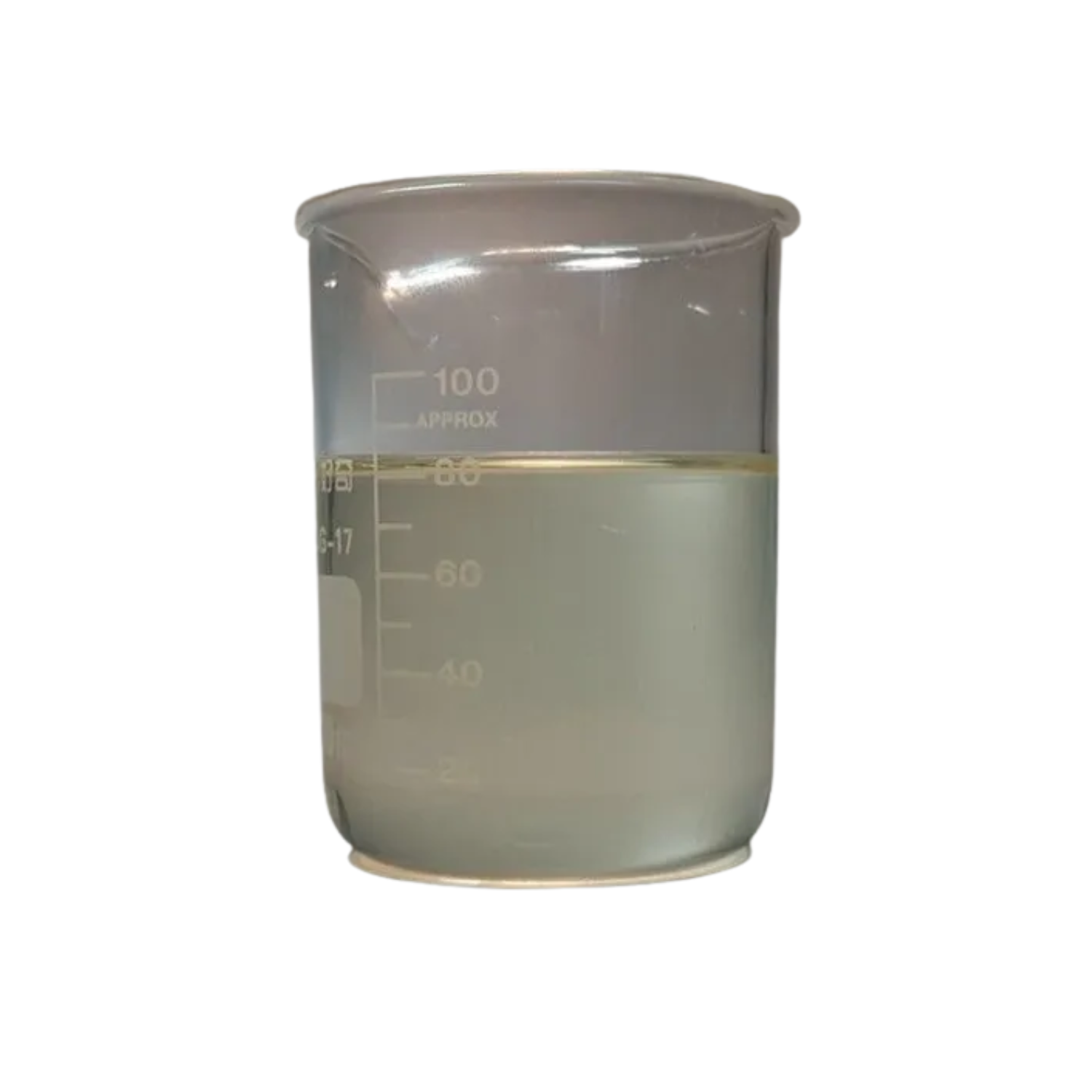
That trend helps suppliers of surfactants, emulsifiers and cosmetic ingredients. Products in these categories sell through everyday purchases that consumers rarely cut.
Traders can build steady books here. Contracts tend to stay stable, and buyers value reliable supply over small price differences.
Where Demand Is Still Weak
Industrial and construction markets continue to struggle. Light-vehicle production fell in the second quarter compared with last year, and packaging and construction volumes stay under pressure.
Coatings show the effect. Formulators with heavy construction and automotive exposure reported mostly flat volume growth.
Soda ash illustrates the same problem. Tata Chemicals expects global demand growth to stay broadly flat in the near term, although solar and electric vehicle demand supports a better medium-term view.
What the Middle East Disruption Changed
Shipping constraints from the Middle East continued into the third quarter. Oil prices began to rise again, yet petrochemical prices have stayed in line with feedstock costs.
Two supply shifts limited the damage:
China imports less polyethylene: net imports fell by about 6 million tonnes per year in 2026 compared with 2025, which reduced Asia’s call on imported supply.
New ethylene capacity arrived: about 8 million tonnes per year came online between April and July.
Chinese exports also rose. Total Chinese exports climbed 17% from March to July compared with the same period of 2025, which keeps competitive pressure on other regions.
What Buyers Should Do Now
Match your buying plan to the segment, not to the headline market. Growth products need secure supply and qualified sources. Weak products reward patience and short contracts.
Start with the growth pockets. Lock in reliable suppliers for electronic-grade, personal-care and pharmaceutical ingredients before competition for volume increases.
For commodity and construction-linked products, stay flexible. Keep inventory lean and watch oil prices, shipping corridors and Chinese export volumes. Qualify a second supplier for every critical grade, and review contract terms each quarter.
Cocamidopropyl Betaine
Found this useful?