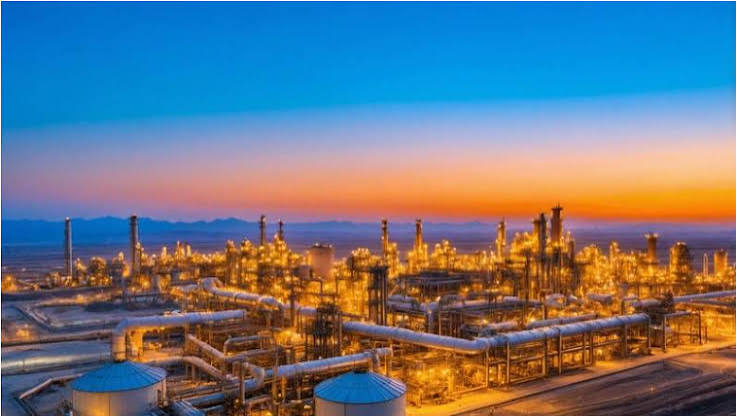
China has the world's largest refining system, but a significant portion of that capacity is older, smaller or less efficient than the newest integrated complexes. The country is increasingly moving toward a "survival of the fittest" model, with Beijing pushing inefficient facilities out while encouraging larger, integrated plants. Reuters has estimated that as much as 10% of China's refining capacity could face closure over the next decade, as fuel demand peaks earlier and margins remain under pressure.
Beijing Is Already Removing Older Capacity
This is no longer just a policy proposal. China retired around 20.5 million tonnes per year of refining capacity in 2025, even while adding 27 million tonnes per year of new capacity. Total refining capacity nevertheless reached about 939 million tonnes per year. The pattern shows China's approach clearly: retire inefficient assets while continuing to invest in larger and more competitive facilities.
PetroChina Shows What Rationalization Looks Like
PetroChina has already announced plans to permanently shut 19 aging refining and chemical units, including 18 facilities that have operated for more than 20 years. The company is evaluating 309 older units as part of a broader modernization program. The closures are being driven by both overcapacity and changing fuel demand as electric vehicles reduce the need for conventional transportation fuels.
The Chemical Market Could Feel the Impact Too
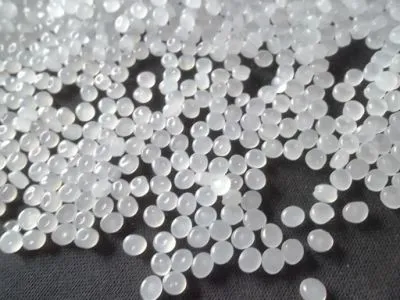
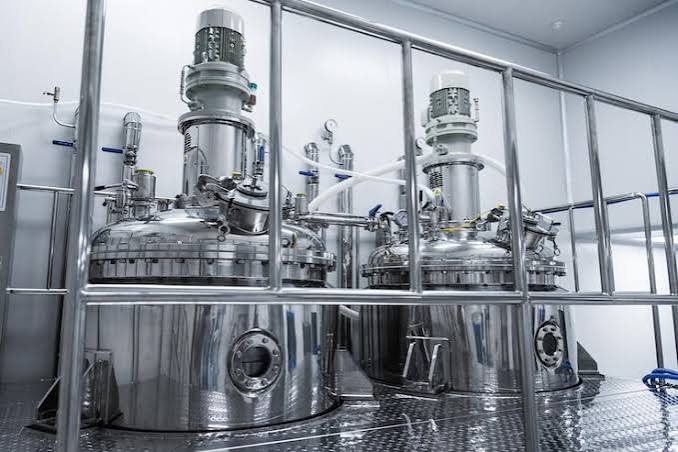
Refinery rationalization matters for commodity chemicals because refining and petrochemical production are increasingly integrated. When older refineries close, associated production of feedstocks and chemical intermediates can also disappear. At the same time, newer integrated complexes are being designed to maximize higher-value chemical output rather than traditional transportation fuels. China's 2025 refining data already shows this transition, with refined-product yields falling while chemical light-feedstock yields increased.
But Capacity Retirement Will Not Automatically Mean Less Supply
The biggest misconception would be to assume that refinery closures will immediately tighten China's commodity chemical markets. New capacity continues to arrive, and China's refining capacity is projected to reach roughly 954 million tonnes per year in 2026 despite the ongoing retirement of older facilities. The country is therefore replacing capacity rather than simply shrinking its refining system.
The supplied 40% outdated-capacity estimate should be treated cautiously, because current sources more clearly document specific retirement programs and the broader share of capacity at risk rather than confirming that exactly 40% is obsolete. The stronger takeaway is that China's refining sector is entering a structural replacement cycle. If Beijing accelerates closures while controlling new additions, the result could eventually be tighter regional supplies and improved margins for selected products. If new integrated plants continue expanding faster than old units disappear, however, global commodity chemical markets could remain oversupplied. The key indicators are retirement volumes, new refinery startups, operating rates, refined-product demand and chemical feedstock output.