China's API Dominance Under Pressure: Strategic Rebalancing in the Global Pharmaceutical Supply Chain
China has long been the world's leading producer of Active Pharmaceutical Ingredients (APIs), supplying a significant share of the raw materials used to manufacture medicines worldwide. Its large-scale production capacity, integrated chemical industry, and competitive manufacturing costs have made it a critical supplier to pharmaceutical companies across the globe.
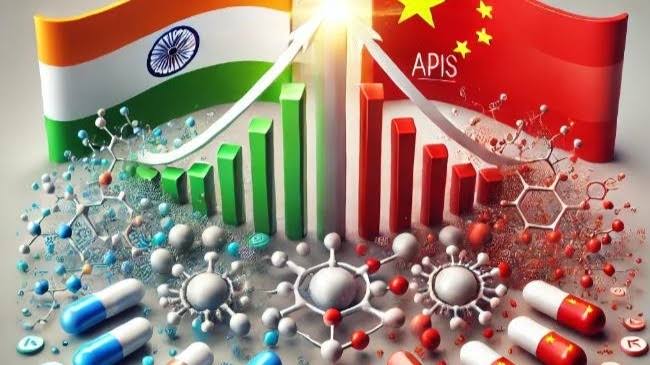
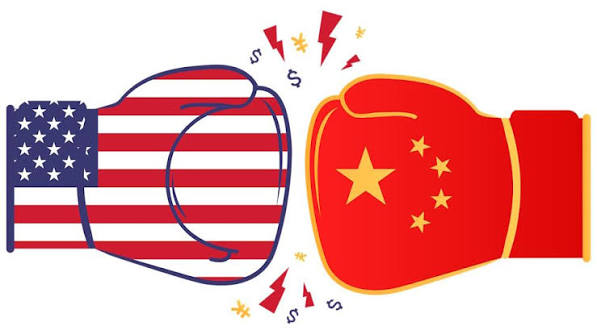
However, recent geopolitical developments, supply chain disruptions, and growing concerns about overdependence on a single sourcing region have encouraged governments and pharmaceutical companies to diversify their procurement strategies. While industry experts agree that replacing China's API manufacturing capacity is unrealistic in the near term, gradual production shifts toward India and Southeast Asia are becoming increasingly important for strengthening global supply chain resilience.
For pharmaceutical manufacturers, procurement professionals, and healthcare suppliers, understanding this strategic rebalancing is essential for long-term sourcing decisions.
Why China Leads the API Market
China's dominance in API manufacturing is supported by several competitive advantages.
These include:
Large-scale manufacturing capacity
Integrated chemical supply chains
Competitive production costs
Strong export infrastructure
Established pharmaceutical manufacturing ecosystem
Extensive raw material availability
These strengths have enabled China to remain a key supplier for both generic and innovative pharmaceutical products.
Alongside API manufacturing, China and other major pharmaceutical hubs also supply essential raw materials and excipients such as Propylene Glycol (USP Grade), Polyethylene Glycol (PEG), Mannitol, Sorbitol, Citric Acid, and Glycerin, which are widely used in pharmaceutical formulations and healthcare manufacturing worldwide.

Refined Glycerine 99.5% Min
Why Supply Chains Are Diversifying
Although China remains a major API supplier, pharmaceutical companies are increasingly seeking additional sourcing locations to reduce risk.
Key drivers include:
Supply chain resilience
Geopolitical uncertainty
Trade policy changes
Business continuity planning
Regulatory diversification
Regional manufacturing incentives
Rather than replacing China entirely, many companies are adopting a multi-source procurement strategy that spreads production across several countries.
India's Expanding Role
India continues to strengthen its position as one of the world's leading pharmaceutical manufacturing hubs.
Its advantages include:
Strong generic pharmaceutical industry
Experienced API manufacturers
Cost-competitive production
Skilled scientific workforce
Growing export capacity
Government support for pharmaceutical manufacturing
As companies diversify sourcing, India is expected to play an increasingly important role in global pharmaceutical supply chains.
Procurement Considerations
Strategic sourcing now requires balancing cost, quality, and supply security.
Procurement teams should focus on:
Supplier diversification
Regulatory compliance
Manufacturing quality systems
Business continuity planning
Supply chain visibility
Long-term supplier partnerships
Building relationships with qualified suppliers across multiple regions can help reduce operational risks while improving procurement flexibility.
Buyers sourcing PEG, Propylene Glycol, Mannitol, Sorbitol, Citric Acid, and other pharmaceutical ingredients should diversify qualified suppliers across multiple regions while ensuring compliance with pharmacopeial standards, quality documentation, and regulatory requirements.
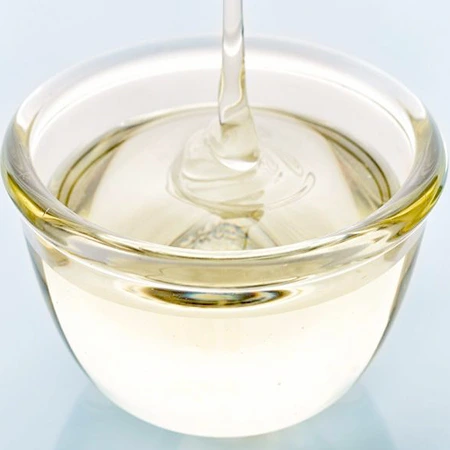
Sorbitol Liquid (E420(ii))
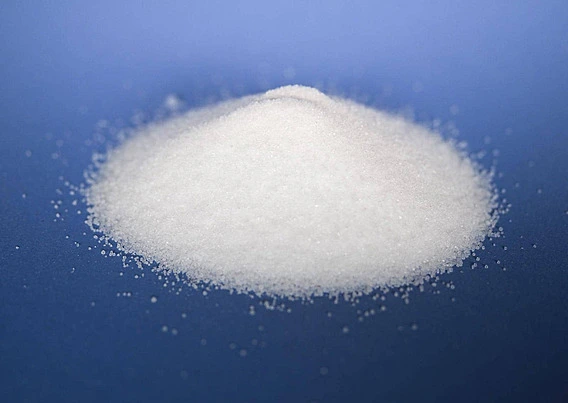
Citric Acid Monohydrate (E330)
Looking Ahead
The global pharmaceutical industry is moving toward a more diversified supply chain rather than abandoning existing manufacturing hubs. China is expected to remain a major API producer for years to come, while India and Southeast Asia continue expanding their manufacturing capabilities and attracting new investment.
For procurement professionals, success will depend on maintaining balanced sourcing strategies that combine reliable suppliers, regulatory compliance, and long-term resilience. Companies that diversify thoughtfully without compromising quality will be better positioned to manage future market uncertainties.
Key Takeaways
China remains the world's leading API manufacturing hub.
Complete relocation of API production is unlikely in the near future.
India and Southeast Asia are becoming increasingly important sourcing locations.
Multi-source procurement improves supply chain resilience.
Procurement teams should balance cost, quality, and long-term supply security.
Found this useful?