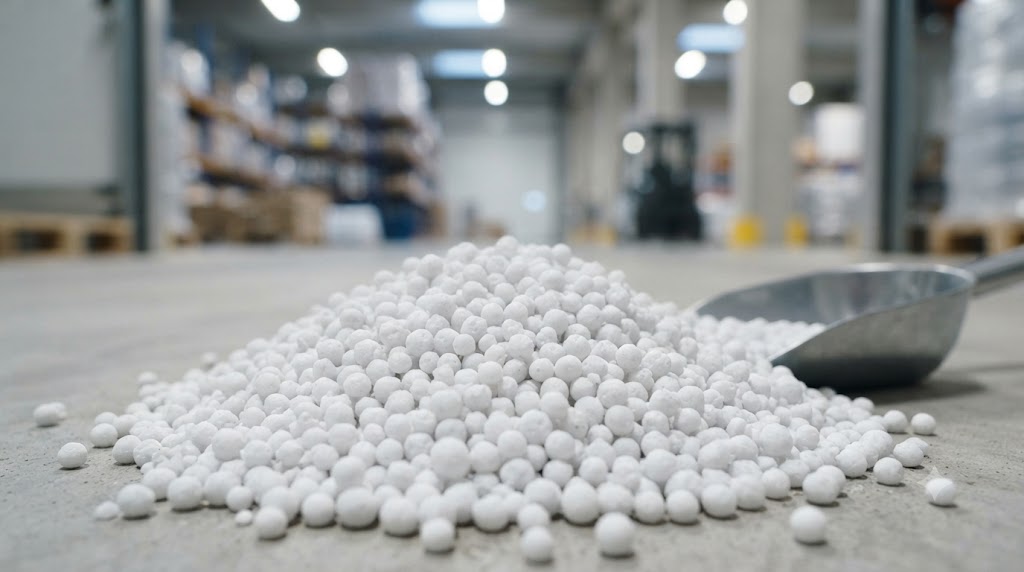
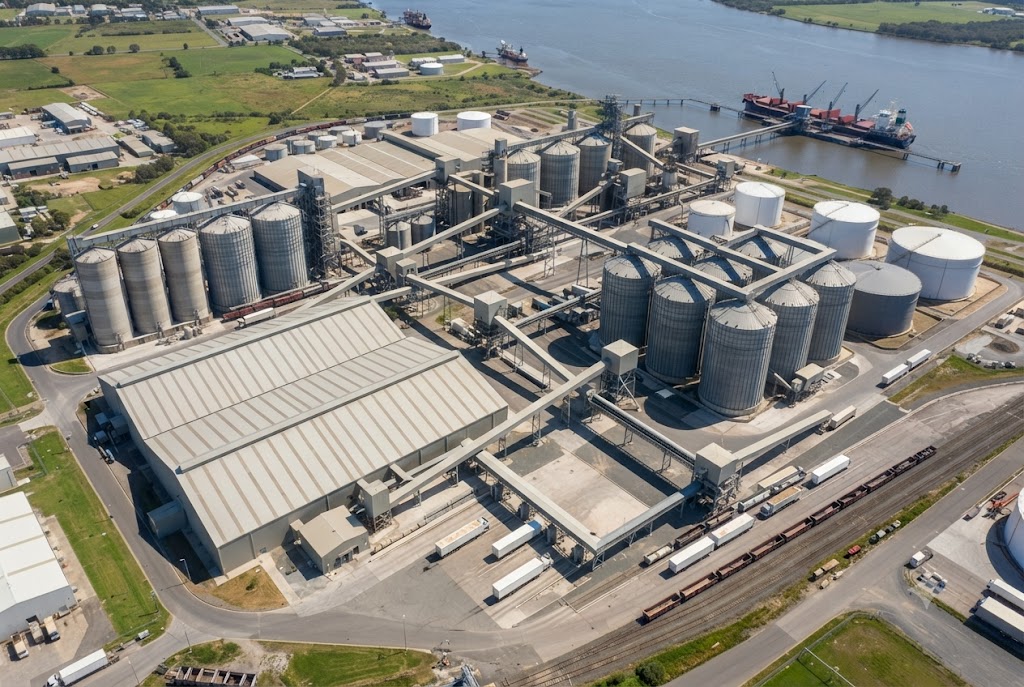
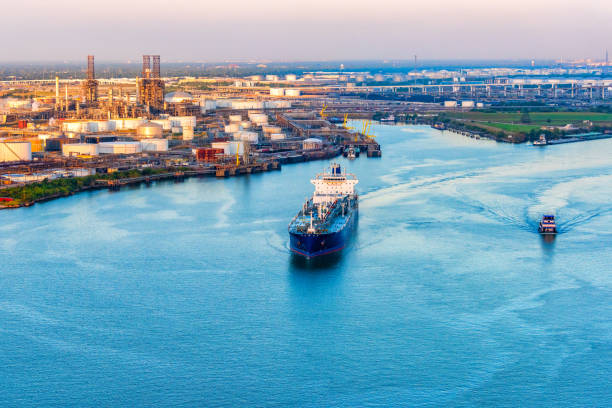
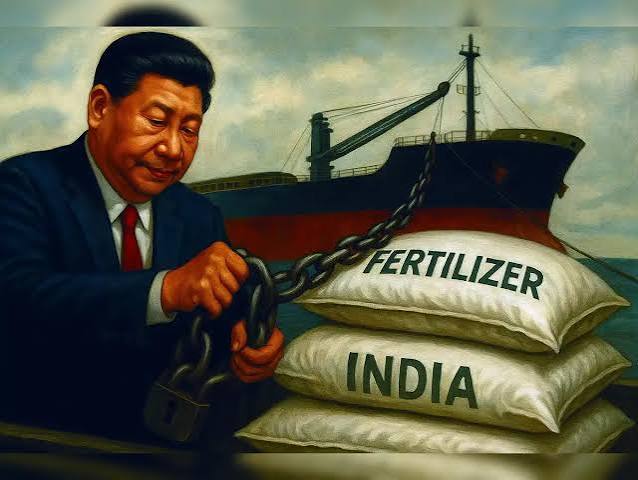
China has indicated it may suspend exports of urea and phosphate fertilizers until August 2026. This potential restriction would remove millions of metric tons from the global commodity market. The announcement creates immediate uncertainty for agricultural producers and chemical traders worldwide. China serves as a dominant supplier of these critical nutrients. A prolonged exit from export markets triggers severe supply tightness and price volatility. Procurement managers must act swiftly to mitigate exposure. Understanding the scale of this disruption is essential for strategic planning. Buyers cannot afford to wait for official confirmations before adjusting their sourcing strategies.
The Scale of China’s Dominance in Fertilizer Trade
China produces a significant portion of the world’s nitrogen and phosphate fertilizers. Its export volumes often dictate global price benchmarks. When Beijing restricts outflows, the market reacts instantly.
The proposed halt targets two fundamental agricultural inputs. Urea provides essential nitrogen for crop growth. Phosphate supports root development and energy transfer in plants. Removing these supplies creates a structural deficit that other producers cannot quickly fill.
Global inventories are already lean following years of supply chain disruptions. There is little buffer to absorb a shock of this magnitude. Import-dependent regions face the highest risk of shortage. Prices will likely surge as buyers compete for limited available cargo.
The removal of Chinese exports forces a rapid reshuffling of global trade flows. Traditional buyers in Southeast Asia, Latin America and Africa must seek alternative sources. This shift strains existing supply lines from other major exporters.
Supply tightness: Available volumes from Morocco, Russia and the Middle East become insufficient to meet global demand.
Freight congestion: Vessels divert to new loading ports, creating bottlenecks and delays.
Price spikes: Spot prices for urea and phosphate rise sharply as scarcity premiums emerge.
Contract renegotiations: Suppliers invoke force majeure or allocate volumes to priority customers.
These dynamics create a chaotic trading environment. Buyers face higher costs and unpredictable delivery schedules. Agricultural producers may delay planting or reduce application rates due to affordability concerns. This behavioral change further complicates demand forecasting for chemical suppliers.
Regional Vulnerabilities and Alternative Sourcing
Different regions face varying levels of exposure to Chinese exports. Southeast Asian countries rely heavily on nearby Chinese supplies. They will feel the impact most acutely and immediately.
Latin American importers also depend on competitive Asian pricing. They must pivot quickly to Atlantic Basin suppliers. However, freight costs from the Middle East or North Africa are significantly higher. This increases the landed cost of fertilizers for South American farmers.
European buyers face less direct exposure but still feel indirect pressure. Global price convergence means higher costs everywhere. Local producers may increase output, but capacity constraints limit their ability to fully replace Chinese volumes.
Procurement teams should evaluate these regional vulnerabilities carefully. Diversifying supplier geography is critical. Relying on a single source invites severe disruption during geopolitical shifts.
Strategic Sourcing Adjustments for Procurement Teams
Chemical and fertilizer buyers must adopt proactive measures to navigate this potential export halt. Waiting for official announcements leaves organizations exposed to sudden market shocks.
Secure long-term contracts. Lock in volumes from alternative suppliers like Morocco or Saudi Arabia. Fixed agreements provide supply security despite higher base prices.
Diversify supplier base. Qualify multiple sources across different geographic regions. This reduces dependence on any single exporting nation.
Build strategic inventory buffers. Increase safety stock levels to cover potential delays. The cost of carrying extra inventory is lower than the risk of stockouts.
Monitor regulatory developments. Stay informed about Chinese policy changes and global trade responses. Early intelligence allows for faster strategic pivots.
Evaluate alternative nutrient sources. Consider blended fertilizers or organic alternatives that may be less affected by specific export bans.
Downstream Impact on Agricultural Production
Higher fertilizer costs directly impact farm profitability. Farmers may reduce application rates or switch to cheaper, less effective alternatives. This behavior can lead to lower crop yields in subsequent harvests.
Reduced yields tighten global food supplies and drive up commodity prices. This inflationary pressure affects consumers and food manufacturers alike. The ripple effects of a fertilizer shortage extend far beyond the chemical industry.
Procurement teams in the agribusiness sector must communicate these risks to stakeholders. Transparent forecasting helps manage expectations and budget allocations. Collaborative planning with farming partners ensures sustainable production practices during periods of input scarcity.
What Buyers Should Do Now
The potential halt of Chinese phosphate and urea exports represents a major supply chain threat. Procurement professionals must treat this scenario as highly probable. Audit your current supply contracts for exposure to Chinese origins.
Engage alternative suppliers immediately to secure backup volumes. Negotiate flexible terms that allow for volume adjustments based on market conditions. Build resilience into your sourcing strategy to withstand prolonged disruptions.
The organizations that act decisively now will maintain operational continuity. Others will face severe cost penalties and supply shortages. Do not wait for the market to tighten further before taking action.
Ready to source Diammonium Phosphate from verified global suppliers? Explore competitive offers on our platform today.