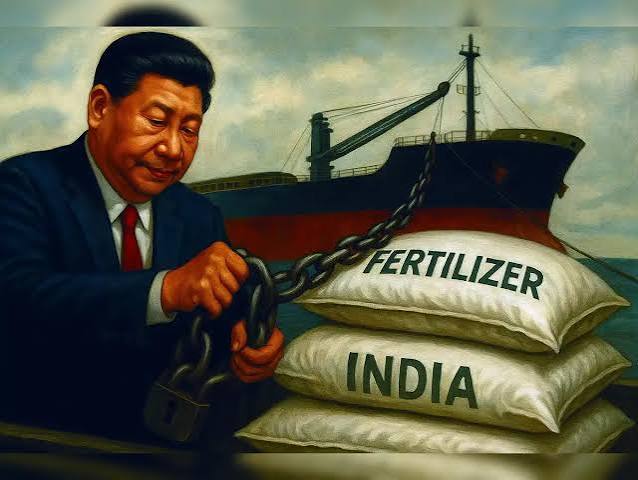
China continues to restrict urea and phosphate exports until August 2026. This prolonged policy removes millions of metric tons of critical agricultural nutrients from the global market.
The ongoing phosphate export halt squeezes global fertilizer supply and forces international buyers to scramble for alternative sources. Procurement managers must navigate this extended supply deficit without relying on short-term market corrections.
Market participants initially hoped for a quick reversal of these trade barriers. The extended timeline confirms that Beijing prioritizes long-term domestic agricultural security over export revenues.
The Mechanics of the Prolonged Export Restriction
Chinese authorities enforce strict inspection quotas that effectively block bulk commercial shipments. Customs officials hold cargo at ports for extended testing periods to discourage international sales.
This regulatory friction ensures that domestic farmers secure sufficient nutrients for local crop cycles. The government views food security as a paramount national interest.
The restriction covers both urea and phosphate-based fertilizers comprehensively. Exporters face immense bureaucratic hurdles that make commercial shipping economically unviable.
Global Supply Deficit and Market Squeeze
Millions of tons of missing supply create a structural market deficit across multiple continents. Other major producers cannot instantly ramp up production to fill this massive void.
Buyers in import-dependent regions face severe allocation limits from remaining suppliers. Producers in North Africa and the Middle East quickly sell out their available spot cargo.
Spot availability shrinks rapidly as global traders hoard available inventory. This hoarding behavior exacerbates the physical shortage and drives prices higher.
Shifting Trade Flows and Regional Vulnerabilities
Global trade routes are undergoing a massive realignment to bypass the restricted origin. Southeast Asian and Latin American buyers traditionally rely on competitive Chinese pricing.
These regions must now pivot to suppliers in North Africa, the Middle East and Eastern Europe. This sudden shift strains alternative supply chains and inflates regional freight costs.
Importers face longer transit times and higher shipping expenses from these alternative origins. The total landed cost of fertilizer increases significantly for end users.
Price Volatility and Contract Negotiations
The extended supply squeeze injects severe volatility into global fertilizer pricing. Spot prices for diammonium phosphate surge as buyers compete for limited available cargoes.
Suppliers leverage this scarcity to demand premium pricing and stricter payment terms. Buyers lose their traditional negotiating leverage during prolonged supply deficits.
Procurement teams must accept higher baseline costs to secure physical delivery. Attempting to wait out the market often results in missed purchasing windows and empty warehouses.
Impact on Downstream Agricultural Economics
Higher fertilizer input costs directly compress farm profit margins worldwide. Agricultural producers may reduce application rates to manage their tight operational budgets.
Lower nutrient application eventually leads to reduced crop yields in subsequent harvests. This yield reduction tightens global food supplies and drives up agricultural commodity prices.
Food processors and retailers ultimately absorb these increased raw material costs. The entire agricultural value chain feels the inflationary pressure of restricted fertilizer trade.
Navigating Freight and Logistics Bottlenecks
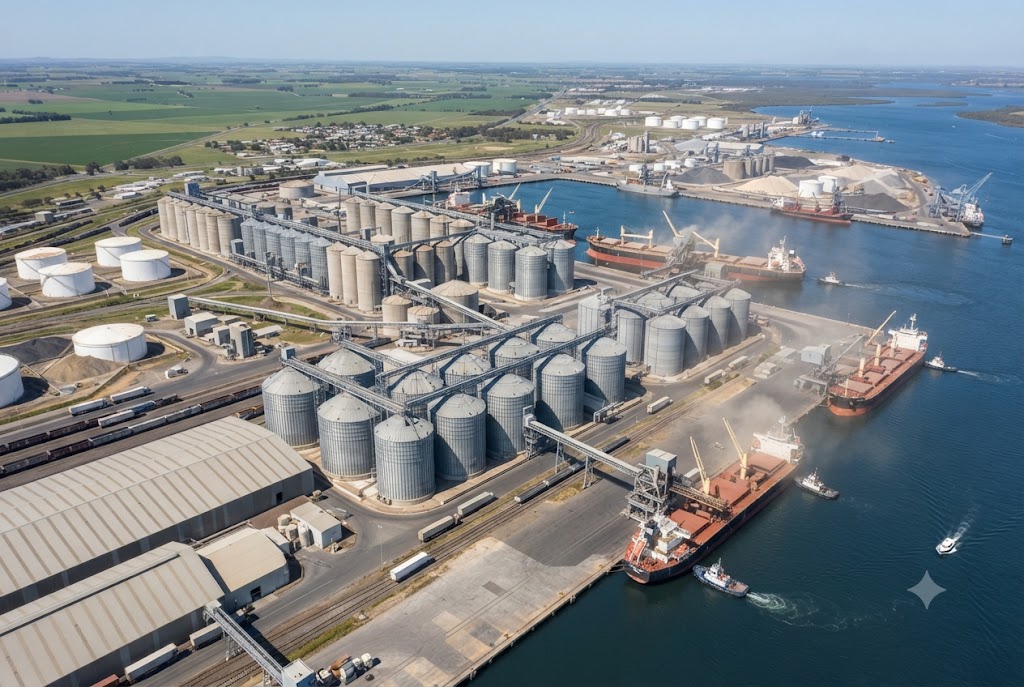
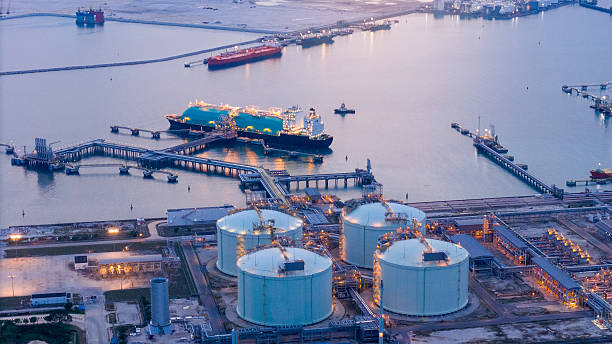
The sudden shift in trade flows creates severe congestion at alternative loading ports. Vessels queue for days to load phosphate and nitrogen products from non-restricted origins.
This port congestion drives up demurrage charges and delays final delivery schedules. Buyers must factor these logistical delays into their inventory planning models.
Securing dedicated vessel capacity becomes a critical priority for large-scale importers. Relying on the spot freight market exposes buyers to unpredictable shipping costs.
Managing Financial Risk and Budget Forecasts
The sustained price volatility requires immediate updates to corporate budget forecasts. Procurement leaders must secure additional working capital to cover inflated spot market premiums.
Financial teams should model various pricing scenarios to prepare for further market shocks. Hedging strategies utilizing agricultural commodity derivatives can offset physical price increases.
Transparent communication with internal stakeholders prevents surprise budget overruns. Aligning finance and procurement departments ensures smooth purchasing approvals during volatile periods.
Strategic Sourcing Adjustments for Procurement Teams
Buyers must adapt their strategies to survive this extended supply squeeze. Relying on historical purchasing patterns guarantees stockouts in the current environment.
Secure long-term contracts. Lock in volumes from alternative suppliers like Morocco or Saudi Arabia to guarantee physical delivery.
Diversify supplier geography. Qualify multiple sources across different regions to reduce dependence on any single exporting nation.
Build strategic inventory buffers. Increase safety stock levels to cover potential logistical delays and port congestion.
Monitor regulatory developments. Stay informed about global trade responses and adjust purchasing schedules accordingly.
Evaluate alternative nutrients. Consider blended fertilizers that might face different customs classifications and bypass specific export bans.
Procurement teams should explore alternative chemical formulations to bypass specific trade barriers. Blended fertilizers, specialized nutrients and organic sources might face different customs classifications.
Working closely with agronomists helps identify viable chemical substitutes for specific soil profiles. This technical flexibility provides a crucial hedge against rigid trade policies.
Some regions can utilize localized organic nutrient sources to supplement conventional imports. This diversification reduces overall reliance on global commodity markets.
What Buyers Should Do Now
The prolonged restriction on Chinese exports represents a fundamental shift in global fertilizer trade. Procurement professionals must treat this supply squeeze as a long-term reality rather than a temporary anomaly.
Audit your current supply contracts for exposure to restricted origins immediately. Engage alternative suppliers to secure backup volumes and negotiate flexible delivery terms.
Building resilience into your sourcing strategy ensures operational continuity despite severe market deficits. The organizations that act decisively now will maintain consistent agricultural output.
Ready to source Diammonium Phosphate from verified global suppliers? Explore competitive offers on our platform today.