China's Phosphate Export Delay: What It Means for Global Fertilizer Markets | ChemicalsBlog.com
Country Watch
schedule2 Min Read
China's Export Withholding Strategy Extends Into a Second Category: Phosphate
terminal
prodchem
Jul 22, 2026
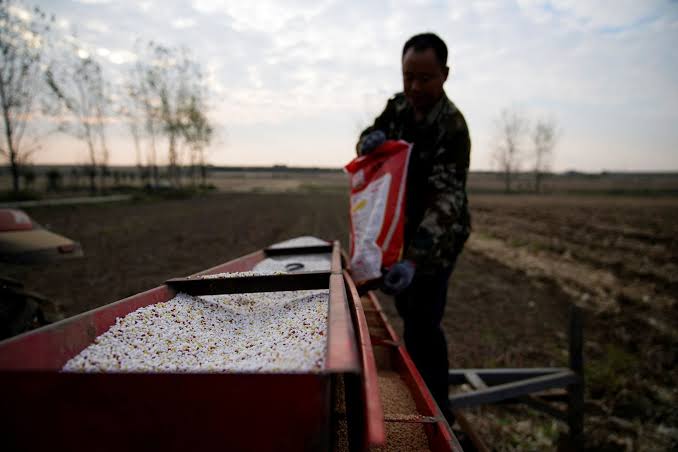
China's decision to delay phosphate exports until August, following earlier restrictions on urea exports, signals a broader trade strategy that uses export timing as a policy tool rather than relying solely on tariffs or quotas. As one of the world's largest producers and exporters of fertilizer raw materials, China's export decisions can quickly influence global supply, pricing, and procurement planning.
For fertilizer producers, chemical distributors, and procurement professionals, the latest phosphate export delay highlights the importance of monitoring not only production capacity but also government trade policies. Even temporary export restrictions can tighten global supply, increase price volatility, and encourage buyers to diversify sourcing strategies.
Why China's Phosphate Exports Matter
China is a major global supplier of fertilizer raw materials and industrial chemicals.
Products most affected by export timing policies include:
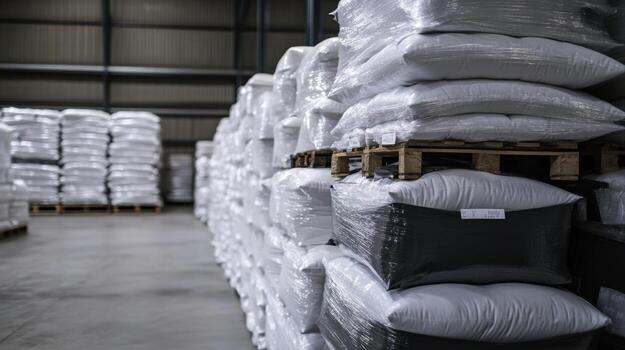
When exports are delayed, international buyers may experience reduced product availability, longer lead times, and higher procurement costs.
Market Implications
China's export withholding strategy could lead to:
Reduced global phosphate availability
Increased fertilizer price volatility
Stronger demand for alternative suppliers
Longer procurement lead times
Greater inventory planning requirements
Increased regional supply diversification
Import-dependent markets may face additional pricing pressure until export volumes normalize.
Procurement Considerations
Procurement professionals should strengthen sourcing resilience by focusing on:
Multi-country sourcing
Supplier diversification
Strategic inventory planning
Long-term supply agreements
Government policy monitoring
Continuous market intelligence
Monitoring export policies alongside production data can help buyers anticipate supply disruptions before they affect procurement.
Looking Ahead
China's phosphate export delay suggests that export management is becoming an increasingly important element of global fertilizer trade. If similar measures continue across other product categories, buyers may need to place greater emphasis on diversified sourcing and long-term supplier relationships.
Companies that proactively monitor trade policy developments and maintain flexible procurement strategies will be better positioned to manage future market uncertainty.
Key Takeaways
China has delayed phosphate exports while earlier urea restrictions remain significant.
Export timing is becoming an important trade policy tool.
Global fertilizer markets may experience tighter supply and higher price volatility.
Procurement teams should diversify suppliers and monitor policy developments.
Long-term sourcing strategies can reduce exposure to export-related disruptions.