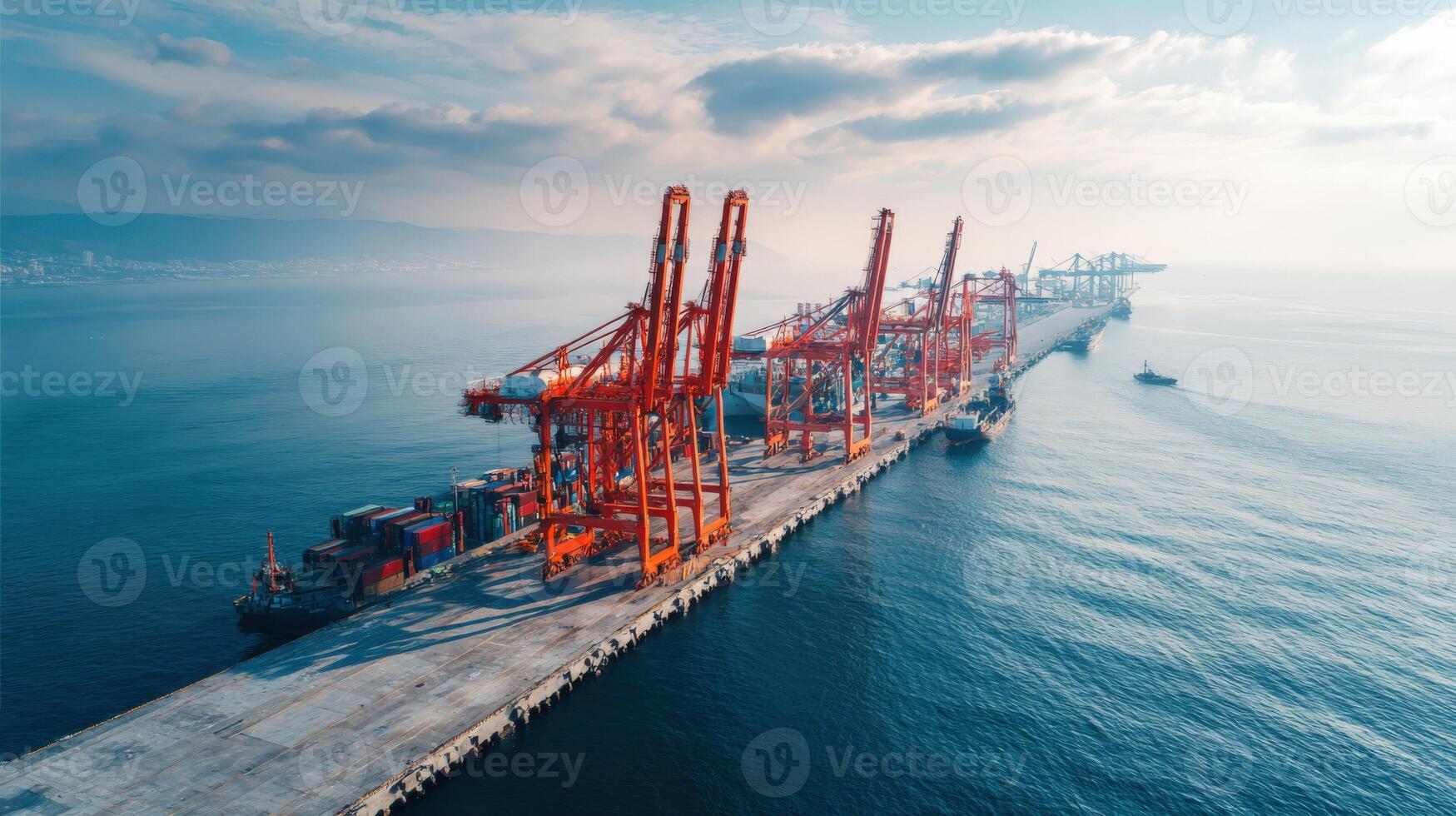
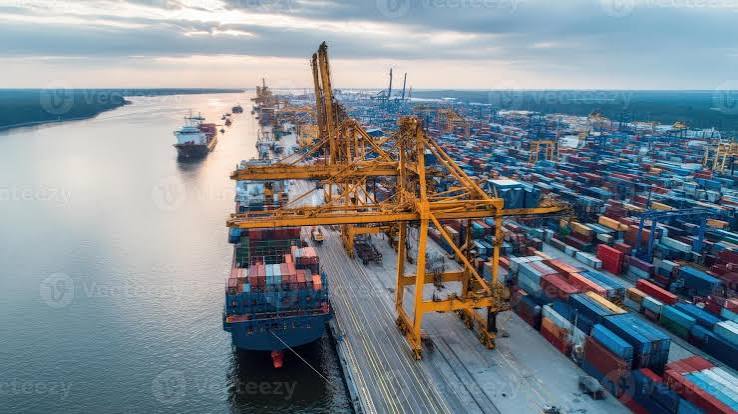
Guangzhou Port completed its first ship-to-ship bio-methanol bunkering operation on September 6, 2026, delivering 1,021 metric tonnes of ISCC EU-certified bio-methanol to a bulk carrier built specifically to run on it. The operation, carried out at the Lantau anchorage, marks the first green methanol bunkering supply to an international methanol-fuelled bulk carrier at a Chinese port.
The recipient vessel, Green Future, is a methanol dual-fuel Ultramax bulk carrier operated by an NYK Group subsidiary. It is described in industry reporting as the world's first vessel of its kind, making this delivery a genuine supply chain milestone rather than a routine bunkering call.
How the Operation Worked
The bunkering itself was carried out by Daqing 268, a vessel operated by China Shipping & Sinopec Suppliers under its Sinobunker business.
The bunker vessel transferred fuel directly to Green Future while both vessels were anchored, the standard ship-to-ship method used for marine fuel delivery.
The bio-methanol carried ISCC EU sustainability certification, meeting the traceability and emissions verification standards that international shipping decarbonisation rules increasingly require.
The 1,021 tonne volume represents a substantial single delivery for a fuel that remains in the early stages of commercial-scale marine adoption.
Where the Fuel Actually Came From
The bio-methanol supplied in Guangzhou was produced at CIMC Enric's facility in Zhanjiang, a plant the company describes as China's first commercial-scale bio-methanol production site.
The facility's first phase carries an annual production capacity of 50,000 metric tonnes.
CIMC Enric states the fuel achieves a carbon emission reduction rate of more than 85 percent compared to conventional marine fuel.
The plant has maintained a stable production and delivery schedule since startup, with delivery volumes to Chinese ports continuing to increase.
Part of a Bigger Regional Supply Network
This is not an isolated pilot project. According to CIMC Enric, the Guangzhou operation builds directly on earlier green methanol bunkering activity the company carried out in Shenzhen and Hong Kong.
Taken together, these three operations establish what CIMC Enric describes as a closed-loop bio-methanol supply network spanning the Guangdong-Hong Kong-Macao Greater Bay Area.
The network connects production at Zhanjiang with storage, transportation and bunkering infrastructure across multiple ports in the region.
Lu Shengwei Raymond, senior business development manager at CIMC Green Energy, framed the operation as a signal that the region has moved beyond individual pilot projects toward coordinated, repeatable operations.
That framing matters for buyers. A single successful bunkering event is a proof point. A repeatable network spanning three major ports and multiple bunkering operators is closer to functioning infrastructure.
Why This Matters Beyond Guangzhou
Marine fuel decarbonisation has been a slow-moving story for years, constrained as much by fuel availability and bunkering infrastructure as by vessel technology. Methanol dual-fuel vessels have existed for some time, but consistent, certified green methanol supply at scale has lagged behind vessel orders.
China's push to build domestic bio-methanol production and bunkering capacity positions Chinese ports as viable refuelling stops for the growing global fleet of methanol dual-fuel vessels.
Shipping lines committing to methanol dual-fuel newbuilds need confidence that fuel will actually be available on their trading routes, not just at a single demonstration port.
The Greater Bay Area's emerging network gives operators calling at South China ports a credible near-term answer to that availability question.
What Buyers and Traders Should Watch Next
For chemical traders and methanol buyers, this operation is worth tracking on two fronts. First, whether CIMC Enric and other Chinese producers scale bio-methanol capacity beyond the current 50,000 tonne phase-one figure at Zhanjiang, since marine fuel demand at this scale will require significantly larger production volumes than a single facility can supply. Second, whether other Chinese ports beyond the Greater Bay Area begin developing similar bunkering capability, which would signal broader national infrastructure commitment rather than a regional pilot cluster.
Buyers involved in marine fuel procurement or bio-methanol trading should treat this as an early but credible signal that Chinese-origin certified green methanol is moving from demonstration volumes toward a functioning regional supply chain.
Ready to source methanol from verified global suppliers? Explore competitive offers on our platform today.