China's olefins overcapacity and the profitability squeeze
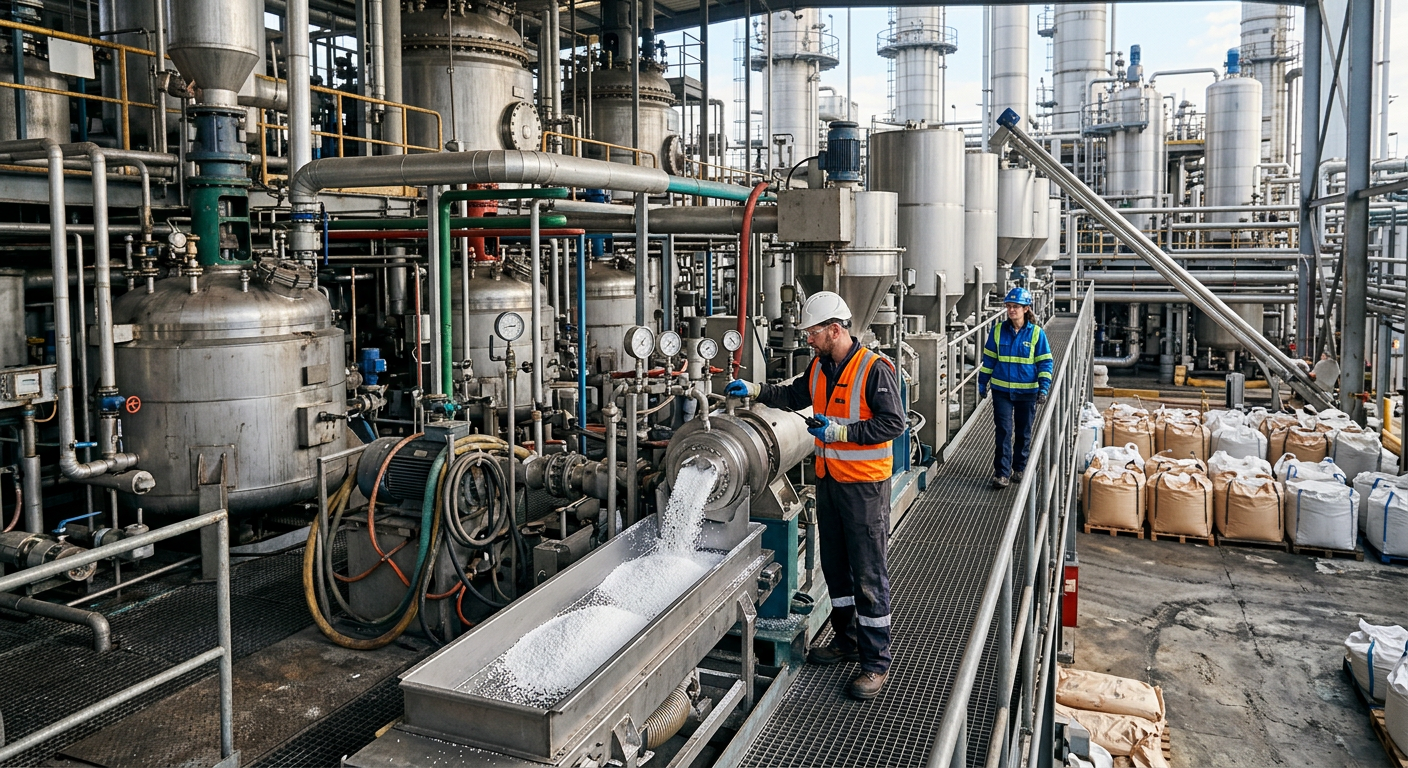
China commissioned more new ethylene capacity in the past five years than the rest of the world combined, and the bill for that building spree has come due. Traders now cite China olefins overcapacity in nearly every market report because the surplus has moved from a regional story to a global margin problem.
Ethylene, propylene and their polymer derivatives flow out of Chinese ports at prices that undercut producers in Asia, the Middle East and Europe. For buyers of polyethylene, polypropylene and intermediates, the squeeze opens a rare window of cheap supply.
Most desk heads now track Chinese cracker operating rates the way they once tracked crude oil, because few signals move polymer prices faster. The sections below explain how the surplus built up and what buyers should do with it.
How China's Olefin Capacity Boom Created a Global Surplus
The build-out began as a push for self-sufficiency. China wanted to stop importing ethylene and propylene derivatives, so state refiners and private chemical groups commissioned cracker after cracker between 2020 and 2025.
National ethylene capacity climbed from roughly 30 million tonnes per year in 2019 to well above 55 million tonnes today. Propylene followed a similar curve as propane dehydrogenation units and new refinery expansions came on stream.
A second wave came from coal. China built dozens of coal-to-olefins complexes in the north and west, and these units keep adding supply even when oil prices fall because they chase cash cost rather than full cost.
Domestic demand did not keep pace. Property construction, consumer goods and export manufacturing all grew slower than the cracker fleet, so operating rates slipped and surplus tonnes began hunting for overseas buyers.
Three facts define the surplus:
Ethylene capacity grew by more than 25 million tonnes in five years, which is roughly one extra European-scale cracker every few months.
On-purpose propylene units added fresh supply on top of refinery by-product volume.
Even at reduced operating rates, total Chinese olefin output still climbs each year.
Where the Olefin Tonnage Lands Across Industries
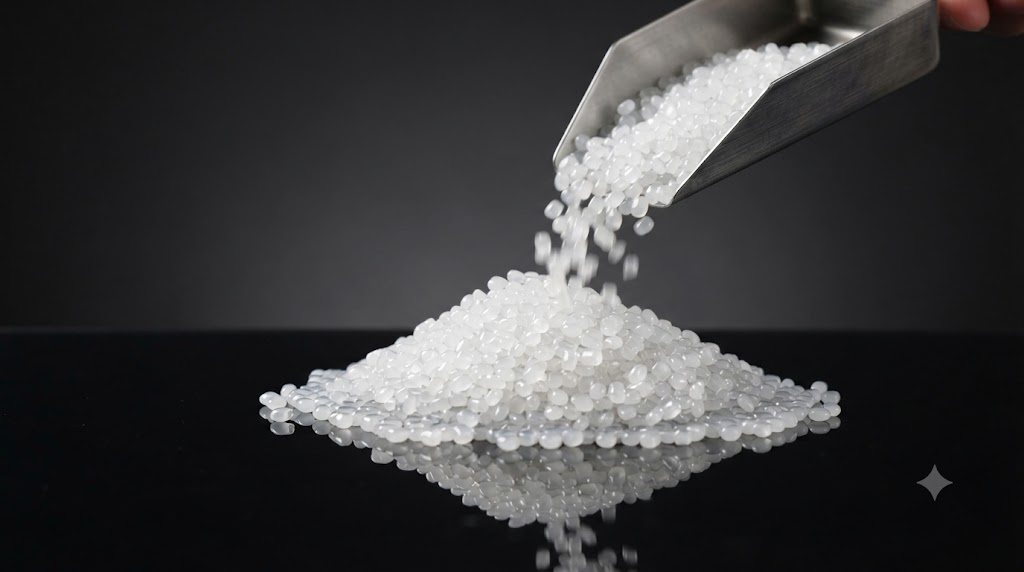
Polyethylene remains the biggest outlet for new ethylene volume. Film, blow moulding and pipe grades absorb most of the incremental tonnes, which is why packaging and construction demand set the tone for the whole chain.
Propylene feeds polypropylene for automotive parts, home appliances and woven packaging, plus acrylics and propylene oxide for coatings and polyurethanes. Each of these downstream markets now feels Chinese export pressure too. Even specialty segments feel the effect as Chinese producers move up the value chain into copolymers and high-density pipe grades.
The derivative tree reaches almost every manufacturing sector:
Ethylene: polyethylene films, containers, pipes and monoethylene glycol for polyester.
Propylene: polypropylene, propylene oxide, acrylic acid and acrylonitrile.
Butadiene and benzene: synthetic rubber, styrene and engineering plastics.
Why Margins Are Squeezed From Asia to Europe
Oversupply travels. Chinese producers export whatever the home market cannot absorb, and those exports set the marginal price in every importing region. Southeast Asian producers now quote polyethylene at levels that barely cover feedstock cost simply to keep volume moving.
European crackers face the worst squeeze in a generation. Naphtha-based plants carry structurally higher costs than Chinese coal-to-olefins complexes or Middle Eastern ethane crackers, and many lose money whenever a Chinese cargo lands nearby.
Producers feel the profitability squeeze in two places at once. Polymer prices fall with Chinese exports while feedstock costs stay firm whenever crude rallies, so the margin gap closes from both ends.
The pressure shows up differently in each region:
Asia feels the squeeze first because it sits closest to the source, and Indian and Southeast Asian producers lobby for anti-dumping duties while their converters quietly enjoy cheaper input costs.
Europe responds with idled crackers and policy pressure, as industry groups ask for carbon and trade measures that would shield naphtha-based production from low-cost imports.
The Middle East holds its ground on cost, yet ethane crackers in Saudi Arabia and the United Arab Emirates accept lower prices to defend market share against China.
Key Price Drivers Right Now
Four forces set the tone for olefin and polymer prices in 2026.
Chinese operating rates: every extra percentage point of cracker utilisation in China adds export pressure within weeks.
Feedstock cost: moves in crude, naphtha and coal still set the floor under prices even when demand is weak.
Freight and logistics: shipping costs and port congestion decide whether Chinese cargoes land cheap or cheaper.
Seasonal demand: pre-holiday packaging and appliance production in Asia offers only brief relief for oversupplied grades.
Currency moves matter as well. A stronger dollar makes dollar-priced imports cheaper for local buyers and forces domestic producers to cut prices further.
None of these drivers points to a fast recovery. Most analysts expect the squeeze to persist until capacity rationalisation begins in earnest.
The Trade Flow Picture: Winners and Losers in a Buyer's Market
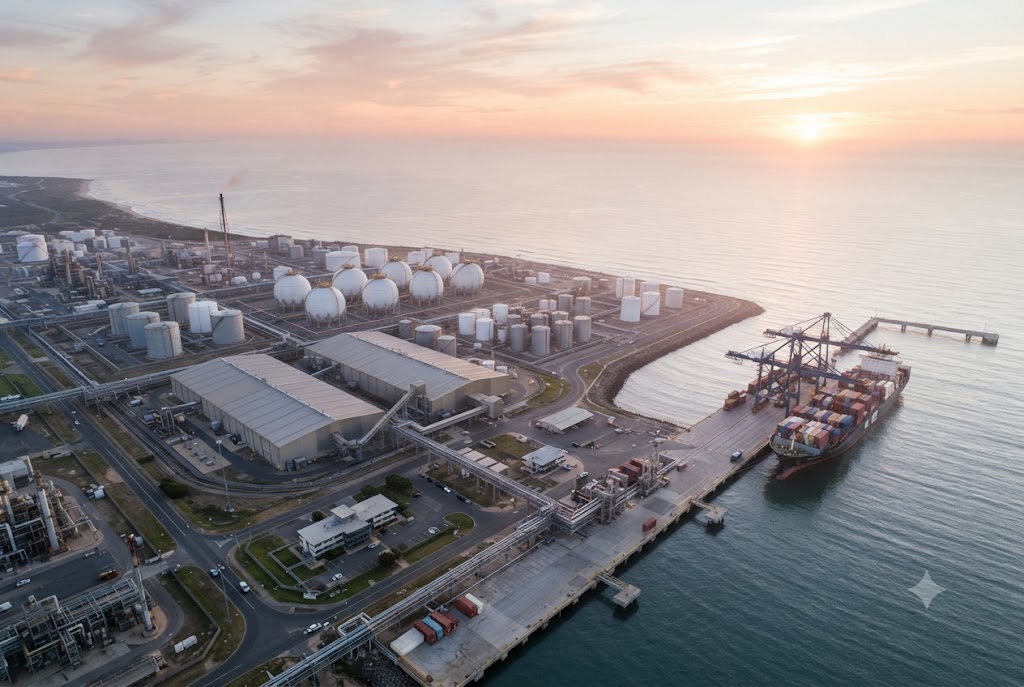
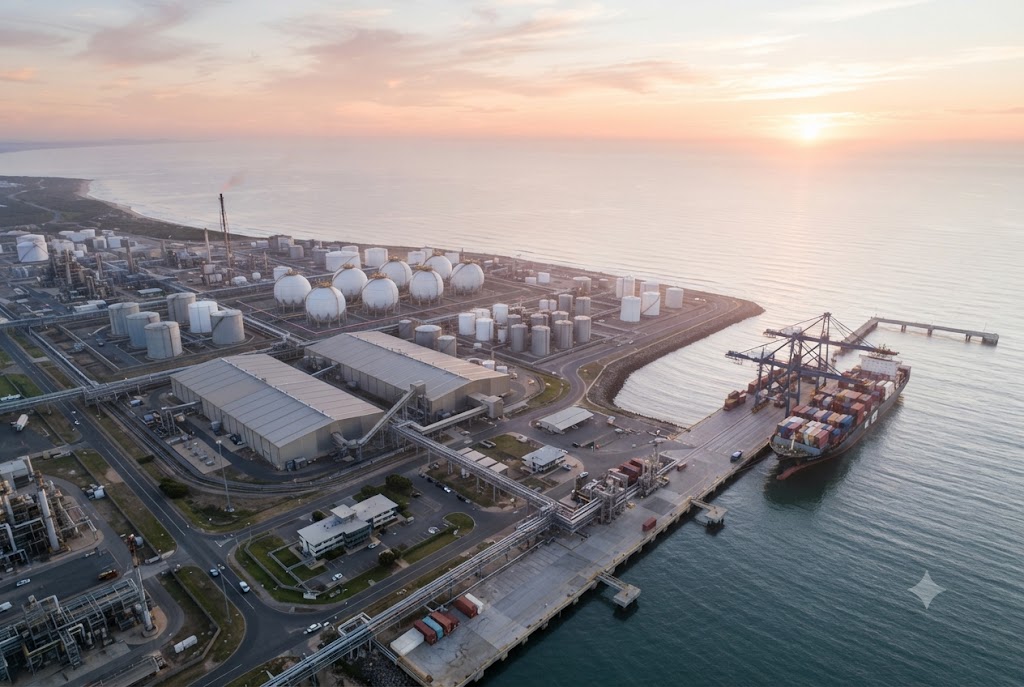
China shifted from net importer to net exporter of several polymer grades within a few years. Volumes head first to Vietnam, India, Southeast Asia and Africa, then on to the Middle East and Latin America whenever price gaps widen.
These flows compress regional spreads. A Saudi producer that once shipped polyethylene to Asia at healthy margins now competes with Chinese cargoes in home markets, and European buyers import from both. Container and bulk freight availability also shapes the map, because Chinese sellers extend their reach to Europe and South America in months when shipping rates drop.
Intermediates travel too. Shipments of monoethylene glycol, styrene and acrylonitrile from China have grown steadily, which pulls downstream prices down along the whole chain.
The squeeze divides the market into clear camps:
Importers and converters win, as packaging firms, pipe extruders and film producers in India, Turkey and Europe lock in contract prices well below the previous cycle.
High-cost producers lose, with Japanese and South Korean crackers announcing cuts while European operators idle units each quarter.
Traders occupy the middle, earning less per tonne yet handling more volume as regional price gaps widen.
Sourcing Opportunities and Risks for Importers
Cheap Chinese material tempts every procurement team, yet the lowest quote carries hidden costs. Quality consistency, delivery reliability and clean documentation matter more when supply chains stretch across continents.
Check for specification drift: off-spec polymer lots appear more often when producers run unplanned grades to fill capacity.
Stagger shipments: book several smaller cargoes instead of one large contract so you can ride falling prices.
Watch trade defence: anti-dumping duties on Chinese polymers and intermediates keep appearing in India, Europe and the United States, and a duty change can erase savings overnight.
Verify new suppliers: recent export entrants lack track records, so request references, certificates and secure payment terms before committing.
Used well, the surplus is a gift. Used carelessly, it becomes a warehouse full of material you cannot claim against.
Market Outlook for 2027 and Beyond
The industry expects the trough to last at least through 2027. Another wave of Chinese cracker start-ups arrives in 2026 and 2027, and demand growth of roughly 3 to 4 percent per year cannot absorb that tonnage.
Rationalisation offers the only durable exit. Older Chinese coal-to-olefins plants and high-cost Asian naphtha crackers will likely close first, and announcements of permanent shutdowns will mark the turning point for margins. Several global producers already delay expansions, which will help later but not now.
New demand themes help at the margin. Solar panel encapsulants, lithium battery separators and lightweight automotive parts all consume extra polyethylene and polypropylene, yet none absorbs enough Chinese volume to rebalance the market.
Until then, prices will stay low and volatile. Buyers should plan for a prolonged buyer's market rather than a sharp recovery.
What Procurement Teams Should Do Now
Treat the squeeze as a structural shift, not a seasonal dip. Rewrite sourcing playbooks around flexible contracts, multiple origins and fast logistics.
Negotiate shorter contract tenors with quarterly price reviews.
Qualify Chinese and Middle Eastern suppliers in parallel to keep leverage.
Hold leaner inventory and use spot purchases when the market dips.
The oversupply that hurts producers hands buyers real power, and power favours the prepared. Ready to source high density polyethylene from verified global suppliers? Explore competitive offers on our platform today.
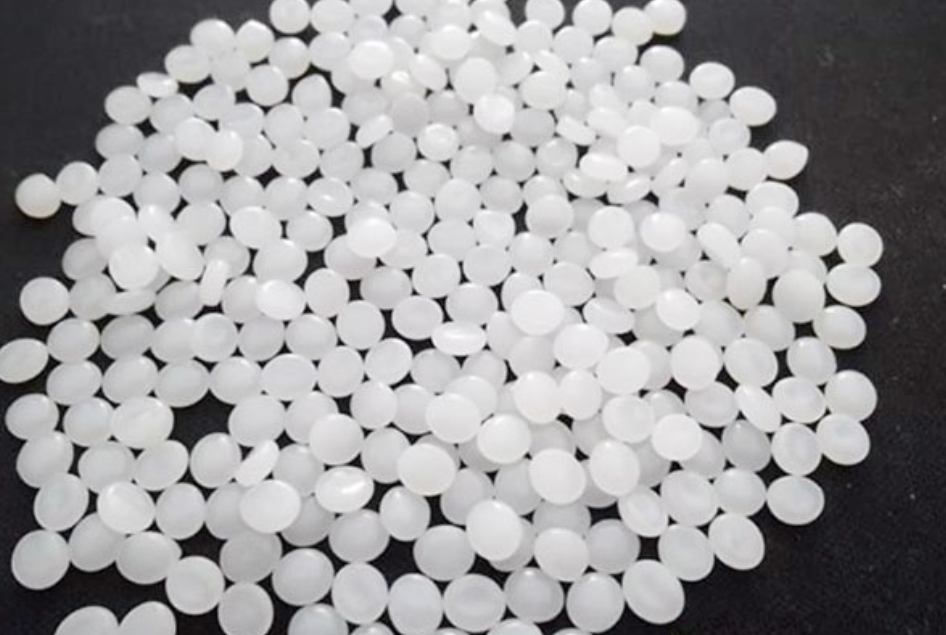
High Density Polyethylene (HDPE)
Found this useful?