China's Refining and Petrochemical Capacity Nearing 21 Million Barrels a Day
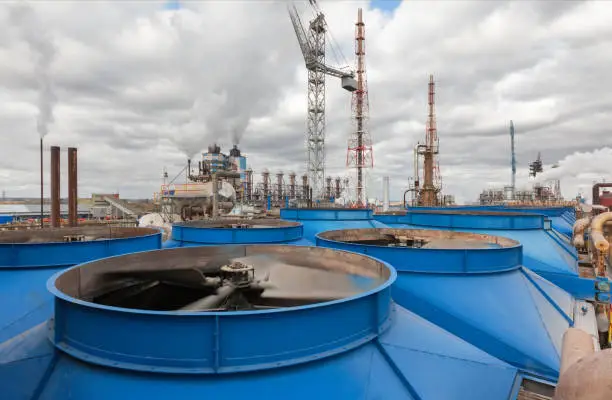
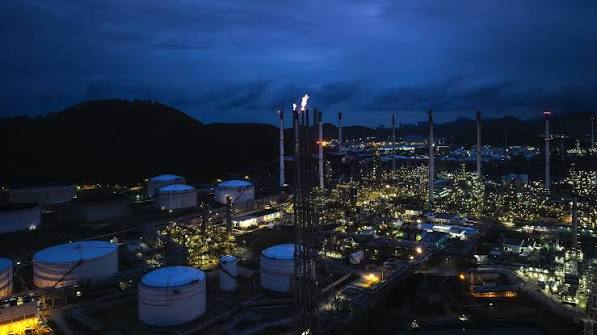
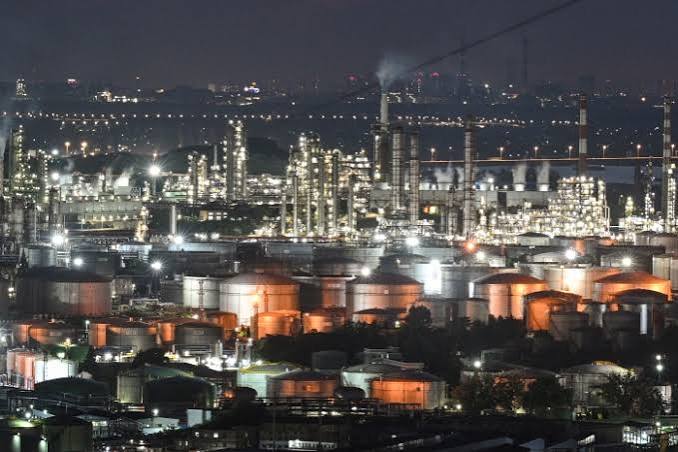
China's refining and petrochemical industry is expanding at a scale that is reshaping global production economics. According to Wood Mackenzie, China's refining and petrochemical capacity is already around 18.2 million barrels per day and could exceed 21 million barrels per day as early as 2026. This rapid expansion reflects years of investment in large-scale refining and integrated petrochemical facilities, strengthening China's position as one of the world's largest production hubs.
Growing Capacity Raises Overcapacity Concerns
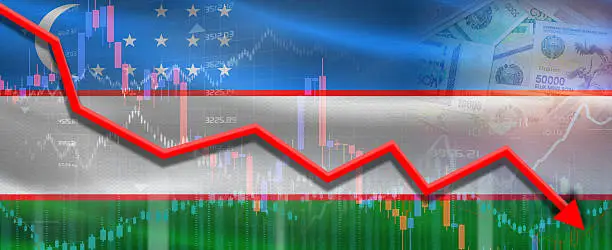
The scale of this buildout is also creating concerns about structural overcapacity. Wood Mackenzie has warned that China's expansion may be unsustainable as new facilities come online faster than demand can absorb additional output. Excess capacity could weaken refinery utilization and margins, eventually forcing less competitive facilities to reduce production or shut down. The additional supply could also put pressure on global prices for refined products and petrochemical intermediates.
China's Expansion Contrasts With Europe and Japan
China's capacity growth contrasts sharply with the situation in Europe and Japan, where producers are increasingly closing older and higher-cost facilities. European and Japanese manufacturers face weaker demand, high energy costs and growing competition from newer plants in Asia and the Middle East. China's continued investment in modern, integrated facilities is therefore shifting the global competitive balance toward lower-cost production regions while mature markets focus increasingly on capacity rationalization.
Shutdowns Could Follow by the Mid-2030s
The current expansion may eventually force China itself into another restructuring cycle. Wood Mackenzie expects the buildup to contribute to refinery shutdowns by the mid-2030s as the market adjusts to excess capacity. For global chemical companies, China's expansion highlights the importance of monitoring capacity additions, utilization rates and exports, while European and Japanese producers may need to focus more heavily on higher-value chemicals and their most competitive assets.
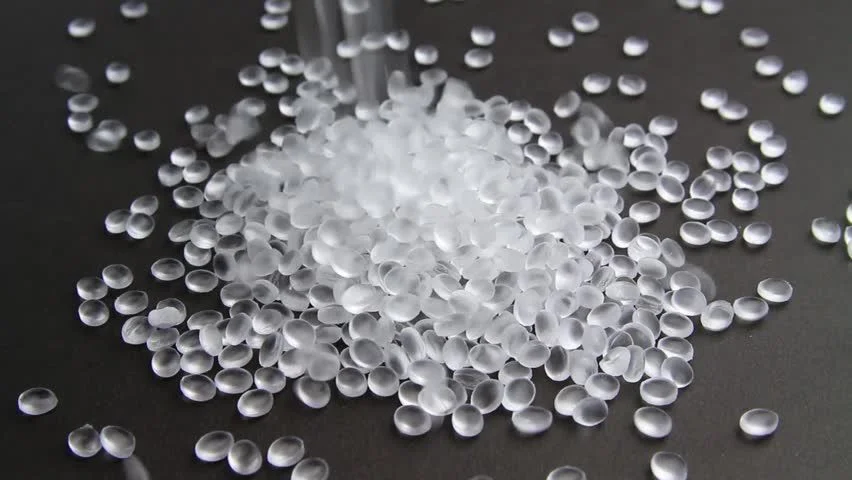
Polyethylene Terephthalate (PET)
Found this useful?