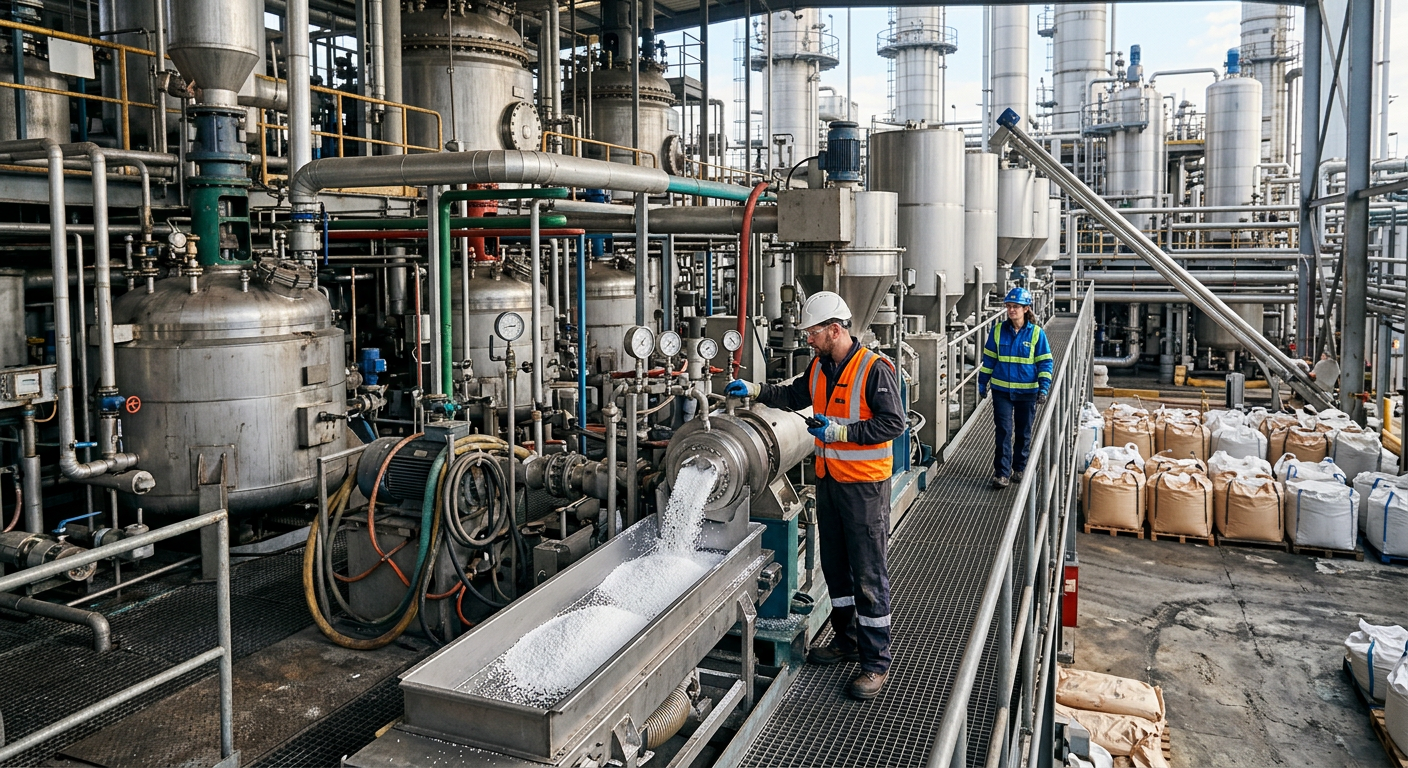
Chromium and Barium Chemistries Show Resilient Volume Growth Despite Sector Headwinds
Global chemical markets have spent recent quarters working through excess stocks, pushing volumes lower across many commodity and specialty segments. Chromium and barium chemistries are bucking that trend. Demand for basic chromium sulphate, barium carbonate and other specialty salts has held firm, and in several key grades volumes are actually growing.
Vishnu Chemicals sits at the centre of this resilience. The company commands a strong global market share in chromium and barium chemical production, and its recent shipment data confirms that downstream customers are ordering with consistency, not just restocking depleted pipelines. For procurement managers who source tanning agents, corrosion inhibitors, pigments or construction additives, this segment is behaving differently from the broader chemical cycle.
Why Chromium and Barium Volumes Hold Firm
The volume resilience in chromium and barium chemistries comes down to the nature of the end-uses they serve. Many of these applications are non-discretionary production inputs. A leather tannery cannot stop using basic chromium sulphate without halting its entire finishing line. A pigment plant formulating chrome yellow or barium sulphate masterbatch for automotive coatings runs on predictable schedules.
These chemistries also sit in formulations that do not change easily. Reformulating a corrosion-resistant primer or a high-reflectivity road marking compound takes years of qualification testing. Once a barium or chromium product becomes embedded in a specification, switching suppliers or grades becomes a slow, expensive process. That stickiness translates into stable offtake even during macroeconomic uncertainty.
Short paragraphs keep the flow manageable. Buyers continue to place orders because they have production schedules to meet and limited alternatives.
Vishnu Chemicals and the Global Market Share Reality
Vishnu Chemicals has solidified its position as a go-to supplier for several chromium and barium intermediates. The company’s integrated manufacturing setup, which often starts from raw ore processing, gives it cost control that non-integrated competitors struggle to match. This cost advantage becomes especially important when logistics costs spike or when regional competitors in Asia face power and raw material interruptions.
The company’s strong market share means that global procurement teams frequently encounter Vishnu either as a direct supplier or as the manufacturer behind a local distributor’s label. For buyers who map their sub-supplier tiers, understanding Vishnu’s production rhythm helps anticipate lead times and price movements for basic chromium sulphate, barium carbonate and sodium dichromate.
A few factors keep Vishnu’s volumes buoyant:
Its installed capacity for chromium chemicals ranks among the largest globally, offering security of supply for bulk consumers.
Backward integration into chrome ore processing provides a consistent quality and cost baseline.
The company ships to diversified end-markets, from leather in Asia to pigments in Europe, spreading risk.
Long-term tolling and supply agreements with multinational customers lock in base volumes.
Demand Drivers Across Key Sectors
Chromium chemical demand flows predominantly from the leather industry, where basic chromium sulphate remains the standard tanning agent for the vast majority of global shoe, bag and upholstery leather. Asia’s tanning clusters in India, Bangladesh, Vietnam and China continue to run at high utilisation, drawing steady volumes from producers like Vishnu Chemicals.
Barium chemistries find their call in a different set of applications. Barium carbonate goes into brick and tile manufacturing to prevent efflorescence, a function that grows with construction activity. Barium sulphate, in both precipitated and natural grades, serves as a filler and extender in paints, coatings and plastics. Even when construction markets soften in some regions, infrastructure spend on roads, bridges and public buildings supports a base load of barium additive demand.
Other niche chromium uses add to the volume stack. Chromic acid for aerospace surface treatment, chromium oxide greens for ceramic pigments and sodium dichromate for metal finishing all maintain steady procurement patterns. No single end-market dominates, which protects overall demand from sector-specific shocks.
The Inventory Destocking Paradox
At first glance, the notion of volume growth during a destocking cycle looks contradictory. Most chemical supply chains spent late 2024 and early 2025 reducing inventories. Buyers ordered less and drew down stockpiles built during earlier shortages. This behaviour crushed spot volumes for bulk petrochemicals and many polymer additives.
Chromium and barium chemistries escaped much of that pressure because inventory levels never became as inflated. These products carry a higher cost-to-weight ratio than bulk hydrocarbons, and they often require specific storage conditions to prevent caking or moisture uptake. Distributors and end-users rarely hold excessive buffer stocks. The working inventory sits lean by design, not by cycle phase.
When downstream plants keep running and buffer stocks stay thin, any dip in procurement translates almost instantly into a production risk. Most buyers therefore maintained a steady hand on ordering, and the destocking ripple that hit other chemistries simply did not materialise at the same scale.

Price Stability and the Sourcing Advantage
Volume resilience does not automatically mean price stability, but in chromium and barium chemistries the two have moved together. The integrated cost position of major producers, coupled with steady demand, has kept price swings far narrower than in more commoditised chemical supply chains.
This relative stability gives procurement teams a valuable anchor point in supplier negotiations. When input cost indices for energy, freight and ore fluctuate, buyers can reference multi-year price bands rather than spot volatility. Longer-term contract structures become easier to agree when both sides see predictable volume flows and a manageable cost outlook.
Buyers should not take this stability for granted. Any significant disruption to chrome ore mining in South Africa or to barium feedstock logistics from China could tighten the supply-demand balance quickly. Mapping those upstream dependencies now protects against surprise cost spikes later.
Procurement Implications for Buyers
Sourcing chromium and barium chemicals effectively in a resilient demand environment requires a different approach than managing commoditised raw materials. The supplier pool is concentrated. The qualification requirements are stringent. And the cost of a supply interruption often outweighs any saving from aggressive price negotiations.
Procurement teams can strengthen their position with a few targeted actions:
Deepen relationships with integrated producers like Vishnu Chemicals to secure volume allocations and advance visibility on capacity expansions or turnarounds.
Audit the full sub-supplier chain behind local distributors to understand whether the material originates from a major integrated source or a smaller non-integrated converter.
Negotiate multi-year supply agreements that lock in pricing formulas tied to published ore or freight indices, removing the need for quarterly renegotiations.
Maintain dual sourcing for grades that go into regulated end-uses, even if the second source covers only a minority of volume. A lean backup keeps qualification current without inflating inventory.
Monitor freight and port conditions around key shipping nodes, particularly for South African chrome ore and Chinese barium minerals, as logistics bottlenecks can tighten availability quickly.
The Bottom Line for Chemical Buyers
Chromium and barium chemistries have carved out a rare pocket of volume resilience in a chemical industry still working through inventory overhangs. The structural factors behind that strength, including non-discretionary end-uses, lean working inventories and concentrated integrated supply, will persist into the next cycle phase. Buyers who understand these dynamics can build supply chains that capture stable volumes and predictable pricing while competitors chase volatile spot markets.
Treat these chemistries as strategic, not transactional. Secure your supply lines with integrated producers, lock in transparent pricing mechanisms and keep the upstream supply map current. The current resilience is real, but it depends on a supply base that requires active procurement engagement to stay dependable.
Ready to source chromium and barium chemical products from verified global suppliers? Explore competitive offers on our platform today.
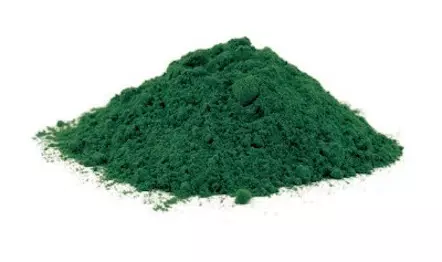
Basic Chromium Sulphate
Found this useful?