

Chromium Oxide: Applications in Pigments, Ceramics and Metallurgy
Chromium Oxide: Applications in Pigments, Ceramics and Metallurgy
Chromium oxide (Cr₂O₃), also known as chromium(III) oxide or chromia, is an important inorganic compound used in pigment manufacturing, ceramics, refractory materials and metallurgical processing. Recognised for its characteristic green colour, high thermal stability and resistance to chemical attack, it serves as a valuable raw material in industries that require durable colouring agents and high-performance materials.
Chromium oxide is particularly important in applications where products must withstand heat, light, wear and demanding chemical environments. It is used in paints and coatings, ceramic glazes, coloured glass, refractory products and the production of chromium metal.
Its industrial value depends on factors such as purity, particle size, crystal structure and production method. Different grades are therefore manufactured to meet the requirements of pigment producers, ceramic manufacturers and metallurgical operations.
What Is Chromium Oxide?
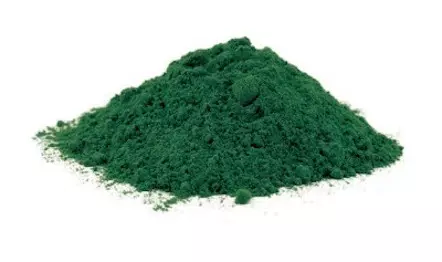
Chromium oxide is an inorganic compound with the chemical formula Cr₂O₃ and a molecular weight of approximately 151.99 g/mol. It generally appears as a fine green powder and is one of the most stable inorganic green pigments used in industrial applications.
It is practically insoluble in water and has a high melting point of approximately 2,435°C. Its chemical and thermal stability make it suitable for applications involving elevated temperatures and exposure to demanding environmental conditions.
Key Properties of Chromium Oxide
Important characteristics of chromium oxide include:
Chemical formula: Cr₂O₃
Molecular weight: Approximately 151.99 g/mol
CAS number: 1308-38-9
Appearance: Green crystalline powder
Melting point: Approximately 2,435°C
Water solubility: Practically insoluble
Chemical nature: Chromium(III) oxide
Industrial characteristics: High thermal stability, hardness and chemical resistance
These properties support its use in industrial pigments, ceramics, refractory materials, abrasives and metallurgical applications. <Link ref="turn177373search3" title="PubChem – Chromium(III) Oxide"/>.

How Is Chromium Oxide Manufactured?
Chromium oxide is manufactured through industrial chemical processes involving chromium-containing raw materials. Chromite ore is an important source of chromium for the wider chromium chemicals industry.
One established production route involves the reduction of sodium dichromate using suitable reducing agents, followed by purification and processing to obtain chromium(III) oxide.
The production method influences the final product's purity, particle size and suitability for specific applications. Pigment-grade chromium oxide, for example, requires consistent colour and particle characteristics, while metallurgical applications may require different chemical specifications.
Commercial Grades of Chromium Oxide
Chromium oxide is supplied in grades designed for different industrial requirements:
Pigment grade: Used in paints, coatings, plastics, rubber and coloured building materials.
Ceramic grade: Used in ceramic glazes, enamels and specialised ceramic formulations.
Metallurgical grade: Used in chromium metal production and selected alloy manufacturing processes.
Refractory grade: Used in high-temperature refractory products and furnace applications.
Abrasive grade: Used in polishing compounds and finishing applications.
Selecting the correct grade is important for achieving the required colour, thermal performance, chemical composition and product consistency. <Link ref="turn177373search7" title="International Labour Organization – Chromium and Its Compounds"/>.
Major Industrial Applications of Chromium Oxide
1. Chromium Oxide in Pigment Manufacturing
One of the most established uses of chromium oxide is as a green inorganic pigment. Its stable colour and resistance to heat, light and chemicals make it suitable for products exposed to demanding environmental conditions.
Applications in Paints and Coatings
Chromium oxide green is used in industrial paints, protective coatings and specialised colour formulations. Its resistance to weathering and chemical exposure makes it useful in applications where long-term colour stability is important.
Common applications include:
Industrial paints and coatings
Exterior architectural coatings
Camouflage paints
Protective coating formulations
Cement-based colouring products
Selected plastic and rubber products
Its strong green colour also makes it suitable for applications where durable inorganic pigments are preferred over less stable alternatives.
Use in Plastics and Rubber
Chromium oxide is incorporated into selected plastic and rubber formulations to provide green colouring. Its thermal stability is particularly useful in manufacturing processes that involve elevated processing temperatures.
The pigment is used in applications where colour retention and resistance to environmental exposure are important product requirements.
2. Applications in Ceramics and Glass Manufacturing
Chromium oxide is widely used in ceramic and glass production because it can provide green colour and withstand high-temperature processing conditions.
Ceramic Glazes and Enamels
Ceramic manufacturers use chromium oxide as a colouring material in selected glaze and enamel formulations. During firing, it can contribute green shades to ceramic surfaces.
Its applications include:
Ceramic tiles
Decorative pottery
Ceramic glazes
Enamel coatings
Specialised ceramic components
The final colour depends on factors such as firing temperature, glaze composition, atmosphere and interactions with other ingredients.
Coloured Glass Production
Chromium oxide is also used in selected glass formulations to produce green colouring effects. Its suitability depends on the glass composition and processing conditions.
The compound's thermal stability makes it relevant to manufacturing operations involving high-temperature melting and forming processes. <Link ref="turn177373search1" title="NCBI – Chromium and Chromium Compounds: Industrial Uses"/>.
3. Chromium Oxide in Metallurgy
Chromium oxide has an important role in metallurgical processing, particularly in the production of chromium metal and chromium-containing alloys.
Production of Chromium Metal
Metallurgical-grade chromium oxide is used as a raw material in the production of chromium metal. One established method involves aluminothermic reduction, in which aluminium reacts with chromium oxide to produce chromium metal and aluminium oxide.
The simplified reaction is:
Cr₂O₃ + 2Al → 2Cr + Al₂O₃
The resulting chromium can be used in alloy production and other metallurgical applications.
Production of Chromium Alloys
Chromium is an important alloying element used in stainless steel and other specialised alloys. It contributes to properties such as corrosion resistance, hardness and high-temperature performance.
Chromium oxide can therefore serve as an intermediate raw material in the wider chromium metal and alloy supply chain.
4. Refractory Materials and High-Temperature Processing
Chromium oxide is used in specialised refractory materials designed for industrial equipment operating at elevated temperatures.
Use in Furnace Linings
Refractory products containing chromium oxide are used in selected furnaces and metallurgical processing equipment. Its thermal stability and resistance to corrosion and wear make it useful in demanding operating environments.
Applications include:
Non-ferrous metal processing furnaces
Copper and zinc smelting operations
Specialised furnace linings
High-temperature ceramic components
Selected refractory bricks and castables
Chromium oxide-based refractory materials are particularly relevant to industrial environments where molten materials and aggressive slags can damage conventional linings. <Link ref="turn177373search6" title="Saint-Gobain – Chromium Oxide in Refractories and Ceramics"/>.
5. Abrasives and Metal Polishing
Chromium oxide is also used as an abrasive in polishing and finishing operations. Its hardness makes it suitable for producing fine polishing compounds used on selected metal surfaces.
Often referred to as green rouge, chromium oxide polishing powder is used in applications such as:
Jewellery polishing
Fine metal finishing
Stainless steel polishing
Precision surface treatment
Selected optical and decorative finishing operations
The particle size and grade influence the polishing performance and surface finish achieved.
6. Chemical Manufacturing and Catalysts
Beyond pigments and metallurgy, chromium oxide has applications in chemical manufacturing. It is used as a catalyst or catalyst-related material in selected chemical processes.
Its applications include certain organic conversion reactions and the preparation of other chromium compounds.
The use of chromium oxide in catalytic systems depends on the reaction, catalyst formulation and required operating conditions.
Factors to Consider When Selecting Chromium Oxide
Manufacturers should evaluate several technical factors before sourcing chromium oxide for industrial applications:
Chemical purity: Confirm the Cr₂O₃ content and relevant impurity limits.
Colour consistency: Important for paints, coatings, plastics and ceramic products.
Particle size: Influences dispersion, polishing performance and processing behaviour.
Thermal stability: Essential for ceramic, glass and refractory applications.
Application-specific grade: Pigment, ceramic, refractory and metallurgical grades have different specifications.
Packaging: Select suitable packaging to protect the powder from contamination and moisture.
Supplier documentation: Review technical data sheets, certificates of analysis and safety documentation.
For pigment producers, colour strength and dispersion are important considerations. Ceramic and refractory manufacturers may place greater emphasis on chemical composition and high-temperature performance, while metallurgical users focus on purity and suitability for reduction processes.
Safety, Storage and Handling Considerations
Chromium oxide is a chromium(III) compound. It should not be confused with chromium(VI) compounds, which have substantially different hazard profiles and include recognised carcinogenic substances.
Although chromium(III) oxide is generally less hazardous than many hexavalent chromium compounds, industrial powder handling still requires appropriate precautions. Dust may irritate the eyes and respiratory system, particularly during bulk transfer, mixing and processing.
Recommended precautions include:
Store the material in sealed containers in a dry, well-ventilated area.
Use suitable dust extraction during handling and mixing.
Wear appropriate protective gloves and safety glasses.
Use respiratory protection where required by workplace exposure assessments.
Avoid generating or inhaling airborne dust.
Follow the supplier's Safety Data Sheet (SDS).
Maintain appropriate procedures for spill management and waste disposal.
Facilities should also ensure that chromium-containing waste is managed according to applicable environmental and industrial regulations.
Industrial Outlook and Supply Chain Importance
Chromium oxide remains an important material for pigment producers, ceramic manufacturers, refractory suppliers and metallurgical industries. Its applications connect the chromium chemicals supply chain with several downstream markets, including construction materials, glass, coatings, steel production and industrial furnace operations.
Demand for different chromium oxide grades depends on the requirements of these sectors. Pigment manufacturers prioritise colour consistency and dispersion, while refractory and metallurgical producers require specific chemical and physical properties.
For industrial buyers, reliable sourcing, consistent product specifications and appropriate grade selection are essential for maintaining production quality and process efficiency.
As industries continue to require durable pigments, high-temperature materials and chromium-based processing inputs, chromium oxide retains an important position in industrial manufacturing.
Sources:
Basic Chromium Sulphate
Found this useful?