
Circular Economy Regulation: EU Circular Economy Act Progress and Procurement Implications
Circular Economy Regulation: EU Circular Economy Act Progress and Procurement Implications
The European Union’s planned Circular Economy Act is moving closer to adoption in 2026, and chemical procurement teams should begin preparing before the final legal text is published. The European Commission describes the initiative as a major effort to create a functioning Single Market for secondary raw materials, increase the supply of high-quality recycled materials, stimulate demand for those materials, and reduce Europe’s dependence on imported primary resources. As of July 2026, however, the legislation is still under development rather than fully enacted. Stakeholder consultations and high-level discussions have taken place, and the Commission has indicated that the Act is planned for later in 2026. This means minimum recycled-content rules, extended producer responsibility measures, quality standards, and market-access requirements may form part of the final framework or related sectoral legislation, but procurement teams should not yet treat every proposed measure as a confirmed universal obligation.
The regulatory direction is nevertheless clear. Europe wants secondary materials to become reliable industrial inputs rather than irregular waste-derived alternatives. The Commission is focusing on removing barriers to cross-border trade in recycled materials, improving quality and traceability, and strengthening access to circular feedstocks across the Single Market. Existing EU measures already establish recycled-content or circularity requirements in selected areas, including packaging and critical raw materials, while the forthcoming Circular Economy Act is expected to provide a broader market framework. For chemical buyers, this means recycled polymers, recovered solvents, secondary metals, bio-based inputs, pyrolysis-derived feedstocks, and other circular materials are likely to receive increasing regulatory and commercial priority. Procurement teams should therefore view the Act not as an isolated environmental initiative but as part of a wider shift in which secondary material availability, certification, and traceability become central sourcing considerations.
Why Procurement Preparation Must Begin Before the Final Compliance Deadlines

The economic backdrop makes the transition more difficult. Cefic reported that EU chemical production fell by 3.2% year on year in the first quarter of 2026, while industry capacity utilisation remained near historically low levels at approximately 74%. Exports and imports also contracted sharply, indicating weak industrial demand rather than a broad competitiveness recovery. Chemical manufacturers are therefore being asked to invest in recycling infrastructure, feedstock qualification, traceability systems, and lower-carbon production at a time when many businesses face weak utilisation, high energy costs, and limited financial flexibility. This creates a practical risk for procurement teams: regulatory demand for recycled materials may increase faster than suppliers can finance and deliver sufficient certified capacity.
Procurement professionals should use the current pre-adoption period to map exposure across their chemical portfolios. The first step is identifying products already affected by recycled-content, packaging, waste, or producer-responsibility rules and separating them from categories that may become subject to broader requirements later. Buyers should then review how much secondary material is technically suitable, commercially available, and supported by recognised chain-of-custody documentation. Supplier discussions should cover recycled-content methodology, mass-balance certification, contaminant controls, end-of-waste status, geographic origin, and the ability to provide auditable data. Where recycled material is not yet qualified, procurement teams should begin technical trials and alternative supplier assessments before purchasing obligations tighten.
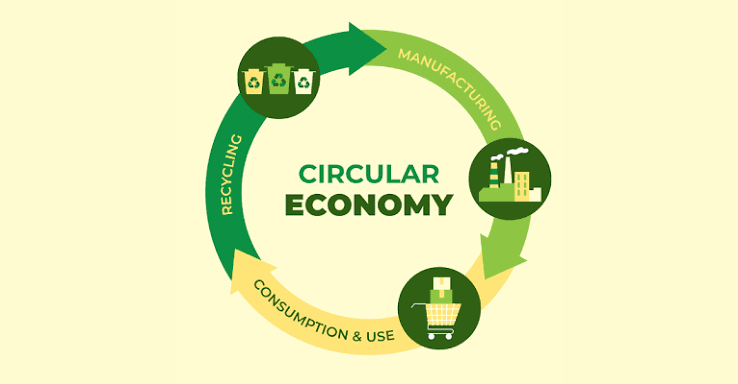
The most important shift is that circular sourcing is moving from voluntary corporate positioning toward formal procurement planning. Buyers should not assume that adequate recycled material will be available once compliance deadlines arrive. Markets for secondary raw materials remain fragmented, and the Commission itself has identified inconsistent standards, cross-border barriers, and limited supply as problems the Act must address. Companies that begin reserving qualified volumes, developing supplier partnerships, and building internal traceability systems early will be better positioned than organisations waiting for the final legislative deadline. The Circular Economy Act is not yet a complete set of enforceable obligations, but its commercial direction is already strong enough to justify immediate portfolio assessment. For procurement teams, early preparation is the difference between treating recycled content as a controlled sourcing transition and facing it later as an urgent compliance shortage.
Found this useful?